

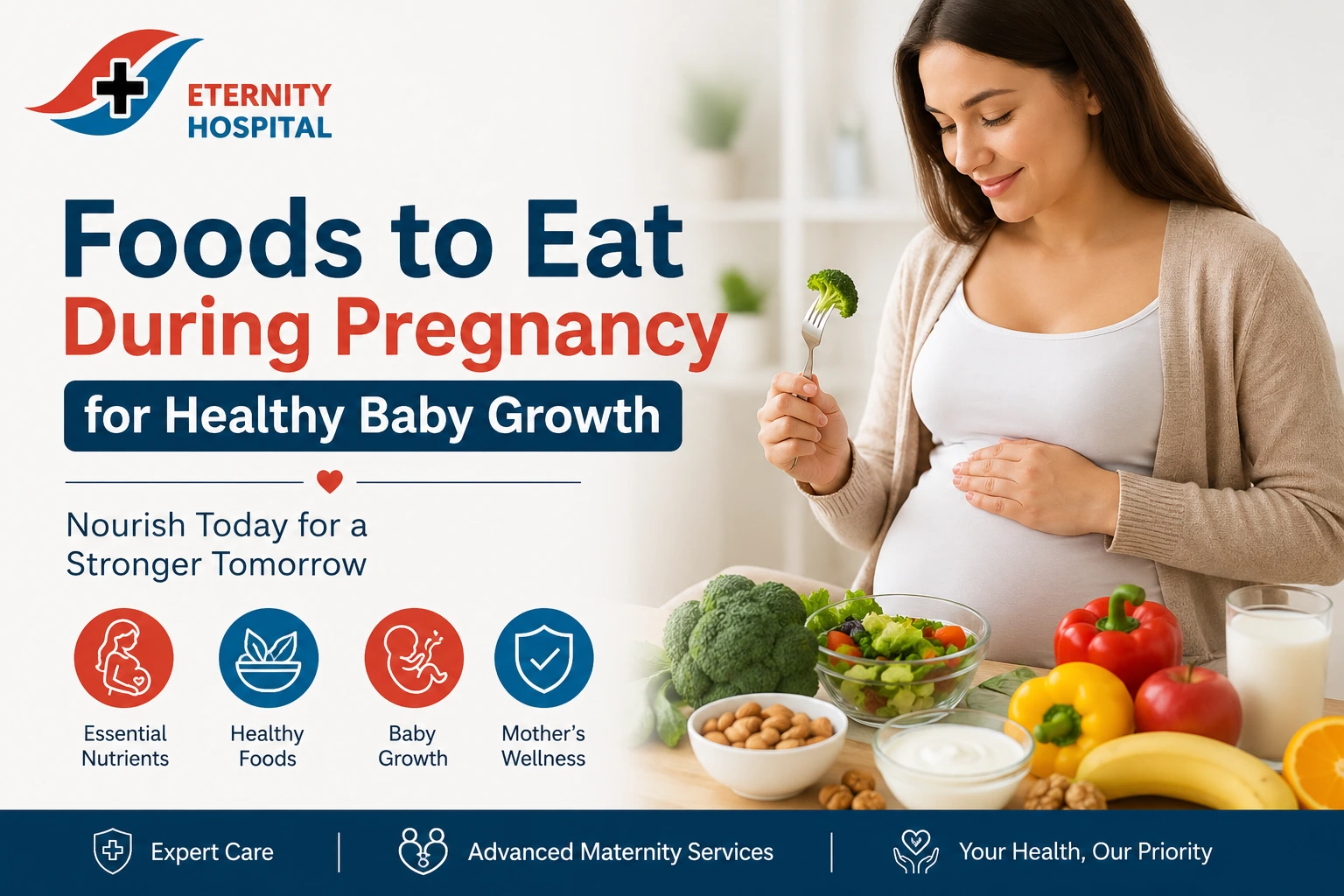
Foods to Eat During Pregnancy for Healthy Baby Growth
Foods to Eat During Pregnancy for Healthy Baby Growth is one of the most searched topics among expecting mothers today, and honestly, it makes perfect sense. Pregnancy is not just about eating more food; it is about eating smarter food that helps your baby grow stronger every single day. Every bite you take becomes the building block for your baby’s brain, bones, muscles, organs, and immune system. Think of your body as a construction site and nutrients as the raw materials. Without the right materials, even the best construction project struggles to succeed.
Modern pregnancy experts now focus more on nutrient density instead of simply increasing calories. According to the latest guidance from the Mayo Clinic and ACOG (American College of Obstetricians and Gynecologists), nutrients like folic acid, iron, calcium, protein, omega-3 fatty acids, and vitamin D play a massive role in healthy fetal development. Real-time medical research in 2026 also highlights how balanced nutrition during pregnancy may reduce complications like low birth weight, anemia, premature birth, and gestational diabetes.
Many pregnant women feel overwhelmed because everyone around them gives different advice. One relative says eat more ghee, another says avoid fruits at night, while social media influencers keep sharing trendy pregnancy diets. The truth is far simpler. A healthy pregnancy diet should include fresh vegetables, fruits, lean proteins, whole grains, healthy fats, dairy products, and enough water. Along with proper nutrition, expert prenatal care from trusted healthcare providers like Hospital Eternity can help mothers maintain a healthy pregnancy journey with personalized guidance and regular monitoring.
Why Pregnancy Nutrition Matters for Baby Development
Pregnancy nutrition directly affects your baby’s growth from the very first week. Your baby depends entirely on you for oxygen, vitamins, minerals, and energy. If your body lacks essential nutrients, your baby may not receive everything needed for optimal development. This is why doctors consistently recommend a balanced pregnancy diet rather than random cravings and processed foods. Healthy eating during pregnancy is not about strict dieting; it is about nourishing two lives at the same time.
Medical experts now explain pregnancy nutrition using a “foundation model.” Imagine building a house. If the foundation is weak, the structure becomes unstable. Similarly, nutrients like folic acid support brain and spinal cord development, while calcium strengthens bones and teeth. Protein helps form muscles and organs, and iron carries oxygen to the baby through healthy blood circulation. According to the latest Mayo Clinic report, pregnant women need around 71 grams of protein daily to support fetal growth.
The mother’s health also changes dramatically during pregnancy. Blood volume increases, hormones fluctuate, digestion slows down, and energy demands rise. Without proper nutrition, mothers may experience fatigue, weakness, dizziness, constipation, or nutritional deficiencies. Healthy eating supports both physical and emotional well-being during pregnancy. It can even improve mood stability and energy levels.
One common myth is “eating for two.” In reality, doctors recommend “eating twice as healthy” instead of doubling food intake. ACOG clearly states that the focus should be on quality nutrition, not overeating. Smart food choices today can influence your child’s long-term health tomorrow.
Essential Nutrients Every Pregnant Woman Needs
Importance of Folic Acid During Pregnancy
Folic acid is one of the most important nutrients during pregnancy, especially during the first trimester. It helps prevent neural tube defects affecting the baby’s brain and spinal cord. Experts recommend around 600 micrograms of folic acid daily during pregnancy. Foods rich in folate include spinach, broccoli, lentils, oranges, beans, and fortified cereals.
Many women do not realize that folic acid works best before pregnancy and during early fetal development. Since the baby’s neural tube forms within the first few weeks, doctors often advise prenatal vitamins even before conception. This nutrient acts like a protective shield for the developing nervous system.
Protein for Baby Muscle and Organ Growth
Protein is basically the “growth nutrient” during pregnancy. Your baby’s muscles, organs, skin, and tissues all require protein for development. Recent nutrition studies in 2026 emphasize that protein requirements increase significantly during the second and third trimesters.
Healthy protein sources include:
Food Benefits During Pregnancy
Eggs Rich in protein and choline
Chicken Lean protein source
Lentils: Plant-based protein and iron
Greek Yogurt Protein plus calcium
Fish Omega-3 and protein
Paneer Protein with calcium
Protein also helps mothers maintain muscle strength and energy levels. Without enough protein, pregnancy fatigue may become worse.
Iron for a Healthy Blood Supply
Iron is essential because the body produces more blood during pregnancy. Iron helps transport oxygen to both the mother and baby. Iron deficiency can lead to anemia, weakness, dizziness, and low birth weight risks. Medical guidelines recommend around 27 mg of iron daily during pregnancy.
Iron-rich foods include spinach, beetroot, dates, lean red meat, lentils, beans, and fortified cereals. Combining iron-rich foods with vitamin C sources like oranges or lemons improves absorption.
Calcium and Vitamin D for Strong Bones
Calcium and vitamin D work together like a perfect team. Calcium builds bones and teeth, while vitamin D helps the body absorb calcium efficiently. Pregnant women generally require around 1,000 mg of calcium daily.
Milk, yogurt, cheese, almonds, tofu, broccoli, and sesame seeds are excellent calcium sources. Vitamin D can come from sunlight exposure, eggs, fortified milk, and fatty fish.
Best Foods to Eat During Pregnancy for Healthy Baby Growth
Green Leafy Vegetables
Green leafy vegetables are often called pregnancy superfoods because they provide multiple nutrients in one serving. Spinach, kale, fenugreek leaves, broccoli, and mustard greens contain folate, iron, calcium, antioxidants, and fiber. These nutrients help improve blood circulation, digestion, and fetal development.
Fiber is particularly important because constipation becomes very common during pregnancy. Green vegetables support digestion naturally without relying on medications. They also help regulate blood sugar levels and reduce inflammation in the body.
Doctors and nutritionists recommend including at least one serving of leafy greens daily. You can add them to soups, smoothies, parathas, curries, or salads. Even small daily additions make a huge difference over time.
Eggs and Dairy Products
Eggs are often described as nature’s multivitamin. They contain protein, healthy fats, choline, vitamin D, and essential amino acids. Choline is especially important because it supports brain and spinal cord development in babies. According to ACOG, choline is a critical pregnancy nutrient that many women do not consume enough of.
Dairy products like milk, yogurt, paneer, and cheese provide calcium and protein together. Yogurt also contains probiotics that support digestion and gut health during pregnancy. Mothers struggling with acidity or bloating often tolerate yogurt better than milk.
One practical benefit of dairy foods is convenience. A bowl of yogurt with fruits or nuts becomes a quick pregnancy snack packed with nutrients.
Fruits Rich in Vitamins and Fiber
Fruits provide natural vitamins, hydration, antioxidants, and fiber. Bananas help maintain potassium levels and reduce muscle cramps. Oranges provide vitamin C that improves iron absorption. Apples support digestion, while berries contain antioxidants that protect cells from damage.
Seasonal fruits are usually the best option because they are fresher and naturally nutrient-rich. Pregnant women should wash fruits carefully before eating to reduce the risk of infections.
Fresh fruits also help manage sugar cravings more healthily compared to packaged sweets or desserts. Instead of processed snacks, fruits offer energy along with nutrition.
Nuts, Seeds, and Healthy Fats
Healthy fats are essential for baby brain development. Nuts like almonds, walnuts, pistachios, and cashews contain omega-3 fatty acids, protein, and minerals. Seeds such as chia seeds, flaxseeds, and pumpkin seeds also support heart and brain health.
Walnuts are especially praised for supporting fetal brain growth because of their omega-3 content. Healthy fats also help mothers feel fuller longer, reducing unnecessary junk food cravings.
Moderation is important because nuts are calorie-dense. A small handful daily is generally enough for most pregnant women.
Whole Grains and Fiber-Rich Foods
Whole grains provide long-lasting energy instead of sudden sugar spikes. Oats, brown rice, quinoa, whole wheat bread, and millets contain fiber, B vitamins, and minerals.
Pregnancy can feel exhausting, especially during the third trimester. Whole grains help stabilize energy levels throughout the day. Fiber-rich foods also support digestion and reduce constipation.
Women with gestational diabetes risk may benefit from replacing refined flour products with whole grains because they digest more slowly and help manage blood sugar levels better.
Lean Protein Sources
Protein becomes increasingly important as the baby grows bigger. Lean chicken, fish, lentils, beans, tofu, paneer, and eggs are excellent options. Fish rich in omega-3 fatty acids may support fetal brain and eye development, but high-mercury fish should be avoided.
Pregnant women following a vegetarian diet can still meet protein requirements through lentils, dairy products, soy products, and nuts. Balanced meal planning becomes the key.
Trimester-Wise Pregnancy Diet Guide
First Trimester Nutrition Tips
The first trimester often comes with nausea, vomiting, and food aversions. Many women struggle to eat balanced meals during this phase. Small, frequent meals usually work better than large, heavy meals.
Simple foods like toast, bananas, yogurt, soups, oatmeal, and fruits are easier to tolerate. Hydration becomes especially important because vomiting can increase the risk of dehydration.
Folic acid remains the top nutrient priority during early pregnancy because critical brain and spinal cord development happens during this stage.
Second Trimester Healthy Eating Plan
The second trimester is often called the “golden phase” because energy levels improve for many women. Appetite increases, and this is the ideal time to focus on balanced nutrition.
Protein intake becomes more important as the baby grows rapidly. Calcium, iron, and omega-3 fatty acids should also increase during this phase. Healthy snacks like nuts, fruits, yogurt, and smoothies can help maintain consistent energy levels.
Third Trimester Foods for Baby Weight Gain
The third trimester focuses heavily on baby growth and weight gain. Protein-rich foods, healthy fats, and iron-rich foods become crucial. Hydration also matters because swelling and fatigue increase during late pregnancy.
Many doctors recommend smaller meals during this phase because the growing uterus puts pressure on the stomach, making large meals uncomfortable.
Foods to Avoid During Pregnancy
Unsafe Seafood and High-Mercury Fish
Certain fish contain high mercury levels that may harm fetal brain development. According to MedlinePlus, pregnant women should avoid shark, swordfish, king mackerel, and tilefish.
Raw seafood and undercooked meat may also increase infection risk. Food safety becomes extremely important during pregnancy because the immune system changes significantly.
Processed Foods and Excess Sugar
Processed snacks, sugary drinks, and junk foods provide calories without nutrition. Excess sugar intake may increase the risk of gestational diabetes and unhealthy weight gain.
Occasional treats are completely fine, but daily nutrition should mainly come from nutrient-dense foods rather than packaged snacks.
Healthy Pregnancy Eating Habits
Importance of Hydration
Water plays a surprisingly important role during pregnancy. It supports digestion, blood circulation, amniotic fluid levels, and nutrient transport. Dehydration may contribute to headaches, fatigue, and constipation.
Pregnant women should aim for consistent water intake throughout the day instead of drinking large amounts all at once. Coconut water, soups, and fresh fruit juices may also support hydration.
Managing Cravings the Smart Way
Pregnancy cravings are real, but balance matters. Instead of completely restricting favorite foods, healthier versions can satisfy cravings while maintaining nutrition. Craving sweets? Try dates or fruits. Want crunchy snacks? Choose roasted nuts or makhana.
Extreme dieting during pregnancy is never recommended. The goal is consistency, not perfection.
Expert Pregnancy Care and Nutrition Support
Pregnancy nutrition works best when combined with professional prenatal care. Every pregnancy is different, and personalized medical guidance helps mothers manage nutritional needs, supplements, weight gain, and overall health safely.
Hospital Eternity provides expert pregnancy care, gynecology services, prenatal monitoring, ultrasound support, and maternity guidance for expecting mothers. From nutritional counseling to regular pregnancy checkups, professional support can make the pregnancy journey safer, healthier, and less stressful.
Modern maternity care is not just about treatment; it is about preventive health, education, emotional support, and personalized pregnancy planning.
Conclusion
Healthy pregnancy nutrition is not about following complicated diet trends or eating massive portions. It is about consistently choosing foods that nourish both mother and baby. Nutrients like folic acid, protein, calcium, iron, healthy fats, and fiber support every stage of fetal development, from brain growth to bone strength.
The best foods to eat during pregnancy for healthy baby growth include leafy greens, fruits, dairy products, eggs, whole grains, nuts, seeds, and lean proteins. Combined with proper hydration, balanced meals, and regular prenatal care, these foods create a strong foundation for a healthy pregnancy journey.
Professional guidance from trusted healthcare providers like Hospital Eternity can help expecting mothers stay informed, confident, and healthy throughout pregnancy
https://www.hospitaleternity.com/menopausal-problems-treatment-in-ghaziabad/
.https://www.hospitaleternity.com/gynaecological-problems-treatment-in-ghaziabad/
https://www.hospitaleternity.com/best-medical-abortion-in-ghaziabad/
https://www.hospitaleternity.com/caesarean-delivery-in-ghaziabad/
https://www.hospitaleternity.com/best-normal-delivery-in-ghaziabad/
https://www.hospitaleternity.com/best-pregnancy-care-in-ghaziabad/