

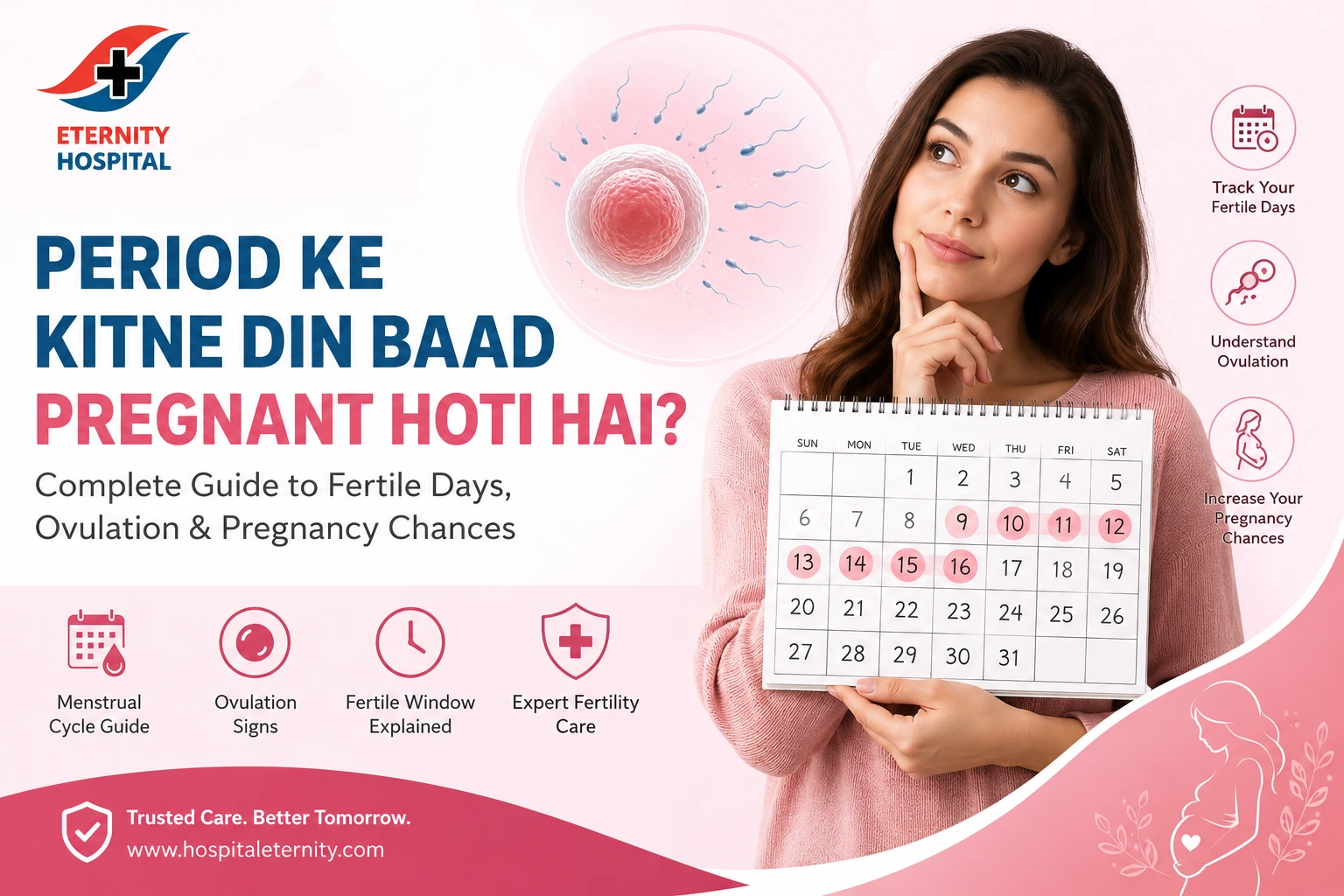
Period Ke Kitne Din Baad Pregnant Hoti Hai? Complete Guide to Fertile Days, Ovulation & Pregnancy Chances
For many couples trying to conceive, one of the most common questions is, “Period ke kitne din baad pregnant hoti hai?” The answer is not the same for every woman because pregnancy depends on several factors, such as menstrual cycle length, ovulation timing, reproductive health, and hormonal balance. Understanding your fertile window can significantly improve your chances of conception and help you plan pregnancy more effectively.
Medical experts explain that pregnancy occurs when a sperm successfully fertilizes an egg released during ovulation. Ovulation generally happens about 14 days before the next menstrual period, although the exact timing varies among women. The fertile window usually includes the five days before ovulation and the day of ovulation itself. During this period, the chances of conception are at their highest because sperm can survive inside the female reproductive tract for up to five days.
Understanding the Menstrual Cycle
A menstrual cycle is much more than just monthly bleeding. It is a carefully coordinated hormonal process that prepares the body for potential pregnancy every month. The cycle begins on the first day of menstruation and continues until the day before the next period starts.
Most women have menstrual cycles ranging between 21 and 35 days. A commonly cited average cycle is 28 days, but many healthy women naturally fall outside this range. Hormones such as estrogen, progesterone, follicle-stimulating hormone (FSH), and luteinizing hormone (LH) regulate the entire process. These hormones control egg development, ovulation, and preparation of the uterine lining for implantation.
What Happens During a Period?
During menstruation, the body sheds the uterine lining that was prepared for pregnancy in the previous cycle. This bleeding phase generally lasts between three and seven days. Once menstruation ends, the ovaries begin preparing a new egg for release.
How Long Does a Normal Cycle Last?
A healthy menstrual cycle usually lasts between 21 and 35 days. Women with shorter cycles may ovulate earlier, while those with longer cycles may ovulate later. This variation directly affects the timing of the fertile window and pregnancy chances.
Pregnancy and Ovulation Connection
Pregnancy cannot occur without ovulation. Ovulation is the release of a mature egg from one of the ovaries. Once released, the egg travels through the fallopian tube, where fertilization may occur if sperm are present.
What is Ovulation?
Ovulation is typically the most fertile phase of the menstrual cycle. The released egg remains viable for approximately 12 to 24 hours. If sperm meets the egg during this period, fertilization can occur, leading to pregnancy.
Why Ovulation is Important for Pregnancy
Think of ovulation as opening a small window of opportunity every month. Without an egg being released, sperm have nothing to fertilize. This is why identifying ovulation is one of the most important aspects of family planning and conception.
Period Ke Kitne Din Baad Pregnancy Hone Ke Chances Hote Hain?
This is the key question most women ask when planning a pregnancy. The answer depends largely on cycle length.
For a 28-Day Cycle
In a standard 28-day cycle:
Cycle Day Event
Day 1-5 Menstrual Period
Day 6-10 Egg Development
Day 11-16 Fertile Window
Day 14 Approximate Ovulation
Day 15-28 Luteal Phase
For women with a 28-day cycle, pregnancy chances usually begin increasing around Day 10 and peak between Days 12 and 16. Ovulation often occurs around Day 14.
For Short Cycles
Women with 21 to 24-day cycles may ovulate much earlier. In such cases, pregnancy can occur even 5 to 8 days after periods end because ovulation may happen shortly afterward. This is one reason why the belief that pregnancy cannot occur immediately after periods is inaccurate.
For Long Cycles
Women with cycles lasting 32 to 35 days often ovulate later, sometimes around Days 18 to 21. Their fertile window shifts accordingly, meaning conception chances are highest later in the cycle.
Fertile Window Explained
The fertile window is the period during which pregnancy is most likely to occur. It includes the days leading up to ovulation and the day of ovulation itself.
Most Fertile Days
Research shows that the highest pregnancy rates occur when intercourse takes place within the five days before ovulation and on ovulation day. This six-day period provides the best opportunity for sperm and egg to meet.
How Sperm Survival Affects Pregnancy
Many people are surprised to learn that sperm can survive inside the female reproductive tract for up to five days. This means intercourse several days before ovulation can still result in pregnancy. Because of this extended survival time, conception may occur even if sexual intercourse happened shortly after a period ended.
Signs of Ovulation
Recognizing ovulation symptoms can help women identify their most fertile days naturally.
Physical Symptoms
Common ovulation signs include:
- Clear, stretchy cervical mucus
- Mild pelvic pain
- Increased sexual desire
- Breast tenderness
- Slight bloating
Many women notice that cervical mucus becomes similar in texture to raw egg whites just before ovulation. This change helps sperm travel more efficiently through the reproductive tract.
Hormonal Changes
Hormonal fluctuations also affect body temperature. A slight increase in basal body temperature often occurs after ovulation. Tracking these changes can provide useful clues about fertility patterns.
Can You Get Pregnant Immediately After Periods?
Yes, it is possible.
Although pregnancy immediately after menstruation is less common, it can happen. Women with shorter cycles may ovulate soon after their period ends. Since sperm can survive for several days, intercourse during or shortly after menstruation may still result in pregnancy if ovulation occurs early.
Many couples mistakenly believe that the days immediately following their period are completely safe. In reality, fertility timing varies significantly from one woman to another. Cycle irregularities, stress, hormonal imbalances, and lifestyle factors can all influence ovulation timing.
How to Track Fertile Days Accurately
Tracking fertile days increases the likelihood of conception and provides valuable insight into reproductive health.
Ovulation Kits
Ovulation predictor kits detect the LH surge that occurs shortly before ovulation. These kits are widely used because they provide reliable indications of the fertile window. Most women receive a positive result 24 to 36 hours before ovulation occurs.
Period Tracking Apps
Modern fertility tracking apps help monitor cycle length, symptoms, and ovulation predictions. While apps are useful, they should be considered estimates rather than exact predictions because ovulation can vary between cycles.
Common Myths About Pregnancy After Periods
Several misconceptions continue to circulate regarding fertility and conception.
One popular myth is that pregnancy cannot occur during or immediately after periods. Medical evidence clearly shows that this is possible, especially for women with short menstrual cycles. Another myth suggests that ovulation always happens on Day 14. In reality, ovulation timing varies significantly depending on cycle length and individual hormonal patterns.
Some couples also believe that having intercourse every day guarantees pregnancy. While frequent intercourse may increase opportunities for conception, timing intercourse around the fertile window is generally more effective.
When to Consult a Fertility Specialist
Couples should consider a professional fertility evaluation if pregnancy does not occur despite regular unprotected intercourse.
Medical guidelines often recommend seeking fertility advice after one year of trying for women under 35 years old. Women over 35 may benefit from evaluation after six months of unsuccessful attempts. Fertility specialists can assess ovulation patterns, hormone levels, sperm quality, and reproductive health factors that may affect conception.
Why Choose Hospital Eternity for Pregnancy & Fertility Care
For couples seeking expert fertility guidance and comprehensive pregnancy care, Hospital Eternity offers specialized women’s healthcare services designed to support every stage of the fertility journey.
The hospital provides advanced fertility consultations, pregnancy planning, antenatal care, high-risk pregnancy management, gynecological services, and personalized treatment plans. Experienced specialists focus on accurate diagnosis, evidence-based care, and compassionate support, helping couples navigate fertility challenges with confidence.
Whether you are trying to conceive naturally, need ovulation monitoring, fertility evaluation, or expert pregnancy care, Hospital Eternity provides modern medical facilities and patient-centered treatment to help achieve the best possible outcomes.
Conclusion
Understanding period ke kitne din baad pregnant hoti hai begins with understanding ovulation and the fertile window. For many women with a 28-day cycle, the highest chances of pregnancy occur between Days 11 and 16. However, cycle length varies, meaning pregnancy can occur earlier or later depending on individual ovulation timing.
Tracking menstrual cycles, recognizing ovulation signs, and timing intercourse during fertile days can significantly improve conception chances. Since every woman’s body is unique, professional fertility guidance can be invaluable when planning a pregnancy. With expert support from fertility specialists and healthcare providers such as Hospital Eternity, couples can make informed decisions and confidently move toward parenthood
https://www.hospitaleternity.com/adolescent-issues-treatment-in-ghaziabad/
https://www.hospitaleternity.com/best-medical-abortion-in-ghaziabad/
https://www.hospitaleternity.com/caesarean-delivery-in-ghaziabad/
https://www.hospitaleternity.com/best-pregnancy-care-in-ghaziabad/
.https://www.hospitaleternity.com/gynaecological-problems-treatment-in-ghaziabad/