

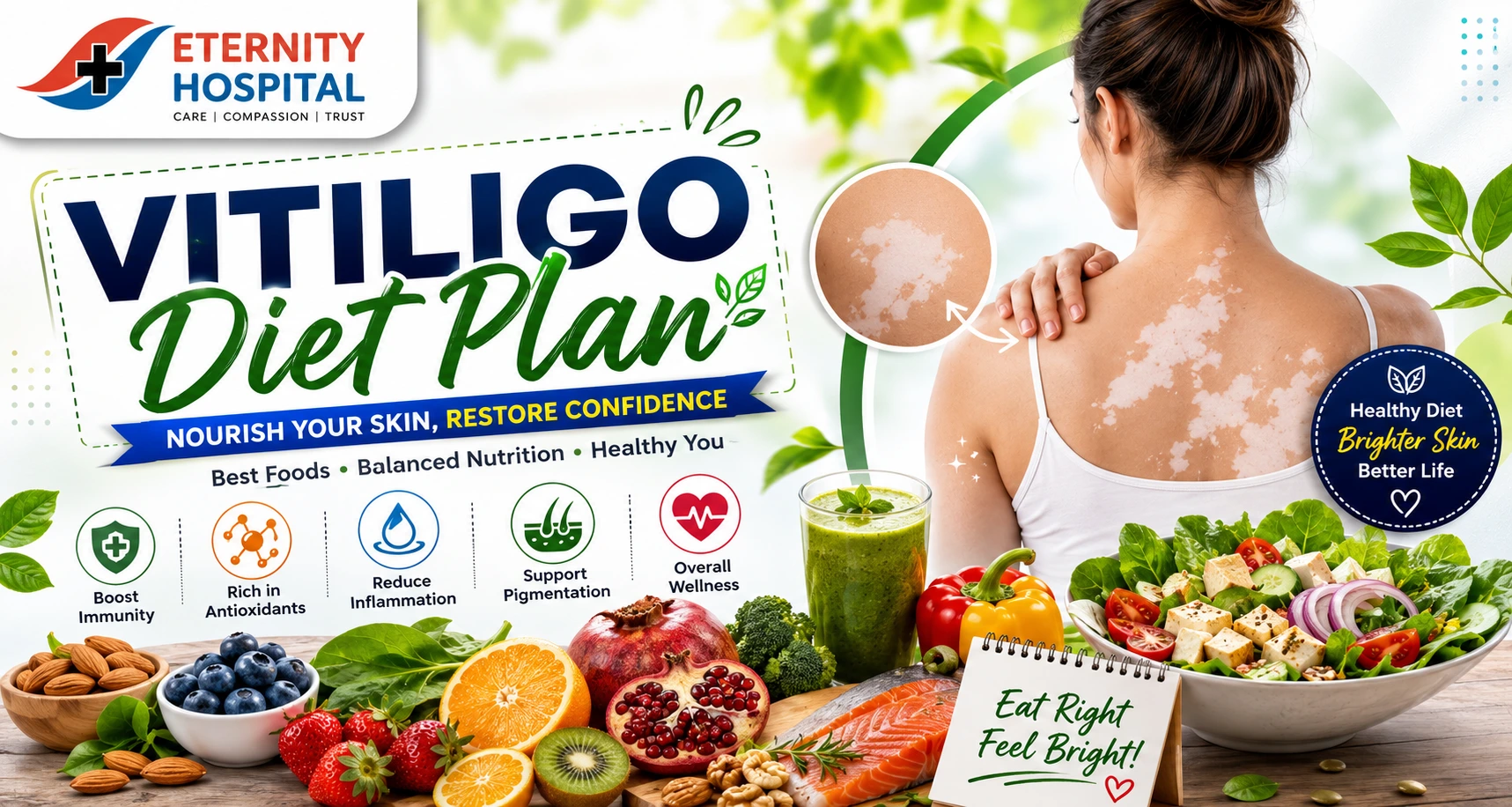
Vitiligo Diet Plan: Best Foods to Eat, Foods to Avoid & Expert Nutrition Guide
Vitiligo is a long-term skin condition that causes the loss of pigmentation, resulting in white patches appearing on different areas of the body. It affects approximately 0.4% to 1% of the global population, although some studies estimate the prevalence may reach up to 2% in certain populations. Research continues to show that vitiligo is primarily an autoimmune condition in which the body’s immune system mistakenly attacks melanocytes, the cells responsible for producing skin pigment. While there is currently no specific diet that can completely cure vitiligo, growing scientific evidence suggests that nutrition can play a supportive role in improving overall skin health, reducing oxidative stress, and helping patients maintain better immune balance.
Many people diagnosed with vitiligo immediately begin searching for foods that can restore pigmentation. The truth is slightly more complex. Think of your body as a garden and your skin as one of the plants growing in it. While food alone may not instantly restore pigment, proper nutrition creates the healthiest environment possible for recovery, treatment response, and overall well-being. A balanced diet rich in antioxidants, vitamins, minerals, and anti-inflammatory foods may complement medical treatments prescribed by dermatologists and skin specialists.
Understanding Vitiligo and the Role of Nutrition
Vitiligo develops when melanocytes are damaged or destroyed, causing certain areas of the skin to lose their natural color. Scientists believe that genetic factors, autoimmune activity, oxidative stress, and environmental triggers all contribute to the development of this condition. Modern research suggests that oxidative stress plays an important role in melanocyte damage, which is why nutrition has gained attention as a supportive strategy in vitiligo management.
Many patients wonder whether changing their diet can reverse vitiligo. The honest answer is that diet alone is not considered a proven cure. However, several studies have identified nutritional deficiencies, including lower levels of folic acid, vitamin B12, zinc, copper, and antioxidant vitamins in some individuals with vitiligo. Research has also shown that nutritional support combined with medical treatment may help some patients achieve better outcomes. This means diet should be viewed as a valuable supportive tool rather than a standalone treatment.
A healthy eating pattern can strengthen immunity, support cellular repair, reduce inflammation, and improve overall skin function. These benefits become especially important because vitiligo often occurs alongside other autoimmune disorders such as thyroid disease, type 1 diabetes, and rheumatoid arthritis. Creating a nutrition plan that supports whole-body health can therefore be highly beneficial for individuals living with vitiligo.
Why Diet Matters for People with Vitiligo
Nutrition affects virtually every cell in the body, including skin cells. The skin is the body’s largest organ and requires a constant supply of nutrients to maintain its structure, repair damage, and protect itself from environmental stressors. In vitiligo, where melanocytes are already under attack, ensuring optimal nutrient intake becomes even more important.
One of the most discussed concepts in vitiligo research is oxidative stress. Oxidative stress occurs when harmful free radicals outnumber the body’s antioxidant defenses. Imagine rust slowly forming on metal over time. Similarly, oxidative stress can damage cells throughout the body, including melanocytes. Antioxidant-rich foods help neutralize these free radicals and support healthier cellular function.
Studies have found altered levels of antioxidant vitamins and minerals in some vitiligo patients. Nutrients such as vitamins A, C, E, selenium, zinc, and copper have been investigated for their potential role in supporting pigmentation and reducing oxidative stress. While researchers continue to study these relationships, most experts agree that a diet rich in colorful fruits, vegetables, lean proteins, and healthy fats offers significant benefits for overall health and may complement dermatological treatments.
Essential Nutrients for Vitiligo Patients
Vitamin B12 and Folate
Vitamin B12 and folate have received considerable attention in vitiligo research. Several studies have reported lower levels of these nutrients in some individuals with vitiligo. Researchers observed that supplementation with folic acid and vitamin B12, along with other supportive measures, resulted in repigmentation in certain patients. Although results vary among individuals, maintaining adequate levels of these nutrients is important for healthy cell division and tissue repair.
Excellent dietary sources of vitamin B12 include eggs, dairy products, Fish, chicken, turkey, and lean meat. Vegetarians may need fortified foods or supplements after consulting a healthcare professional. Folate-rich foods include spinach, lentils, beans, asparagus, broccoli, avocado, and leafy green vegetables.
Vitamin D
Vitamin D plays a vital role in immune regulation and skin health. Many individuals worldwide are deficient in vitamin D, and some research suggests that deficiency may be more common among people with autoimmune conditions. Sensible sunlight exposure, fortified dairy products, egg yolks, and fatty Fish such as salmon can help maintain healthy vitamin D levels. However, supplementation should always be guided by blood test results and medical advice.
Zinc and Copper
Zinc and copper are essential trace minerals involved in numerous biological processes, including skin repair and melanin production. Zinc supports immune function and wound healing, while copper participates in enzymatic reactions related to pigmentation. Foods rich in zinc include pumpkin seeds, chickpeas, lentils, nuts, yogurt, and seafood. Copper can be found in nuts, seeds, mushrooms, legumes, whole grains, and shellfish.
Antioxidants and Phytochemicals
Antioxidants help protect cells from oxidative damage. Brightly colored fruits and vegetables contain powerful compounds such as carotenoids, flavonoids, polyphenols, and vitamin C. Berries, oranges, kiwi, pomegranates, spinach, kale, carrots, tomatoes, and bell peppers are excellent examples of antioxidant-rich foods that support overall skin health.
Best Foods to Include in a Vitiligo Diet Plan
The ideal vitiligo diet focuses on whole, nutrient-dense foods rather than restrictive eating patterns. Instead of searching for a miracle food, aim to build meals that provide a wide range of vitamins, minerals, antioxidants, protein, and healthy fats.
Food Group: Best Choices, Potential Benefits
Fruits: Berries, oranges, kiwi, pomegranate. Antioxidants and vitamin C
Vegetables: spinach, kale, broccoli, carrots. Folate and phytonutrients
Proteins: Fish, eggs, chicken, legumes. Tissue repair and immunity
Healthy Fats: Olive oil, nuts, seeds, avocado. Anti-inflammatory support
Whole Grains: Oats, quinoa, brown rice. Steady energy and fiber
Dairy Yogurt, milk, cheese, Vitamin B12, and calcium
A healthy breakfast could include oatmeal topped with berries, walnuts, and chia seeds. Lunch may consist of grilled chicken, quinoa, and a large salad containing spinach, tomatoes, cucumber, and olive oil dressing. Dinner could feature Fish with steamed vegetables and brown rice. These meals provide a broad spectrum of nutrients that support overall wellness and skin health.
Hydration is equally important. Water helps maintain skin elasticity, supports circulation, and assists the body in removing waste products. Aim to drink adequate water throughout the day rather than relying on sugary beverages.
Foods to Avoid with Vitiligo
Although there is no universally accepted list of foods that every vitiligo patient must avoid, many dermatologists recommend limiting highly processed foods and excessive sugar consumption. These foods may contribute to chronic inflammation and negatively affect overall health. Fast foods, sugary drinks, packaged snacks, and heavily processed desserts often provide calories without meaningful nutritional value.
Some individuals report that certain foods seem to worsen their symptoms. However, scientific evidence supporting specific food restrictions remains limited. Unless a medically diagnosed allergy, intolerance, or autoimmune condition such as celiac disease is present, extremely restrictive diets are generally not recommended. Eliminating large groups of foods without medical guidance can increase the risk of nutrient deficiencies and potentially worsen overall health.
Instead of focusing solely on what to avoid, prioritize replacing unhealthy foods with nutrient-rich alternatives. Swapping sugary snacks for fresh fruit, replacing refined grains with whole grains, and choosing healthy fats over trans fats can significantly improve nutritional quality without creating unnecessary restrictions.
Sample 7-Day Vitiligo Diet Plan
A practical vitiligo diet should be easy to follow and sustainable over the long term. The goal is consistency rather than perfection.
Day 1
- Breakfast: Oatmeal with berries and almonds
- Lunch: Grilled chicken salad
- Dinner: Fish with vegetables and brown rice
Day 2
- Breakfast: Vegetable omelet and whole-grain toast
- Lunch: Lentil soup and salad
- Dinner: Chicken stir-fry with vegetables
Day 3
- Breakfast: Greek yogurt with fruit
- Lunch: Quinoa bowl with chickpeas
- Dinner: Grilled Fish and steamed broccoli
Day 4
- Breakfast: Smoothie with spinach, banana, and berries
- Lunch: Turkey sandwich on whole-grain bread
- Dinner: Lentil curry with brown rice
Day 5
- Breakfast: Scrambled eggs with vegetables
- Lunch: Mixed bean salad
- Dinner: Baked salmon and roasted vegetables
Day 6
- Breakfast: Chia pudding with fruit
- Lunch: Chicken and quinoa bowl
- Dinner: Vegetable soup and whole-grain bread
Day 7
- Breakfast: Whole-grain pancakes with berries
- Lunch: Grilled fish salad
- Dinner: Stir-fried vegetables with tofu
This plan emphasizes antioxidants, protein, fiber, vitamins, and minerals while minimizing processed foods.
Lifestyle Habits That Support Vitiligo Management
Diet is only one piece of the puzzle. Successful vitiligo management often requires a combination of medical treatment, healthy lifestyle habits, and emotional well-being. Chronic stress has been linked to immune dysfunction and may contribute to disease activity in some individuals. Stress-management techniques such as meditation, yoga, breathing exercises, and regular physical activity can help support overall health.
Quality sleep is another often-overlooked factor. During sleep, the body performs many of its repair and recovery processes. Adults should aim for seven to nine hours of quality sleep each night. Regular exercise improves circulation, supports immune function, reduces stress, and contributes to overall wellness.
Patients should also protect depigmented skin from excessive sun exposure. White patches are more vulnerable to sunburn because they lack protective melanin. Using sunscreen, protective clothing, and following dermatologist recommendations remain essential components of comprehensive vitiligo care.
Expert Dermatology Care for Vitiligo
While a healthy diet can support skin health, professional medical treatment remains the cornerstone of vitiligo management. Modern treatment options may include topical medications, phototherapy, excimer laser therapy, and advanced dermatological procedures, depending on the severity and extent of the condition.
For individuals seeking expert diagnosis and personalized treatment plans, Hospital Eternity provides specialized dermatology and skin care services. Consulting experienced dermatologists can help patients understand their condition, identify potential triggers, evaluate nutritional deficiencies, and develop a comprehensive treatment strategy tailored to their needs.
The most effective approach often combines medical treatment with healthy nutrition, stress management, adequate sleep, and regular follow-up care. This integrated strategy addresses both the physical and emotional aspects of living with vitiligo.
Conclusion
A well-balanced vitiligo diet plan is not a cure, but it can play a valuable role in supporting overall health, immune function, and skin wellness. Nutrients such as vitamin B12, folate, zinc, copper, vitamin D, and antioxidants may help create an environment that supports healthier skin and complements medical treatment. The best dietary approach focuses on whole foods, colorful fruits and vegetables, lean proteins, healthy fats, and adequate hydration rather than extreme restrictions.
Vitiligo management works best when nutrition, lifestyle improvements, and professional dermatological care work together. By focusing on long-term health rather than quick fixes, individuals with vitiligo can improve their overall well-being and feel more confident in their journey toward healthier skin.