

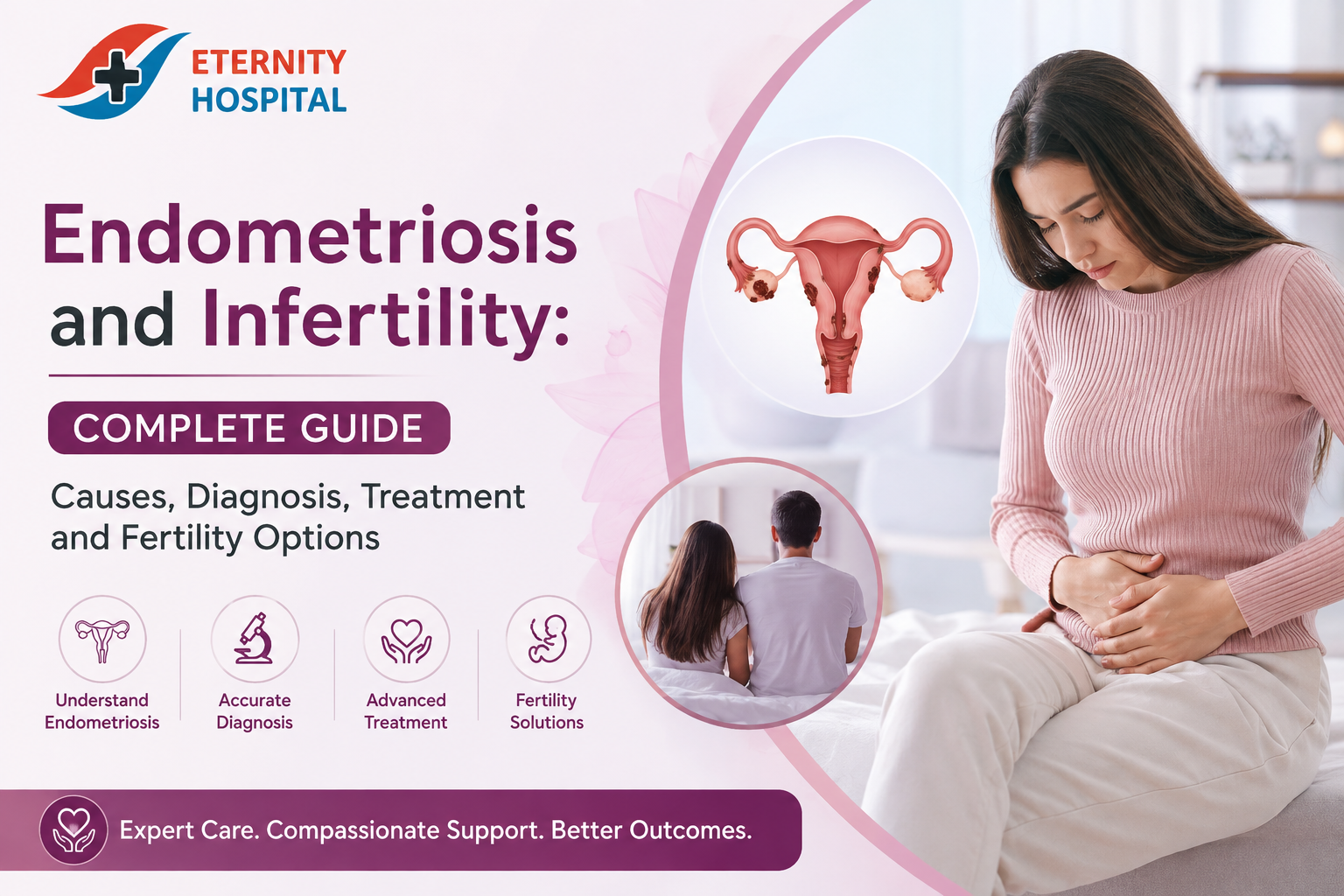
Endometriosis affects an estimated 10% of women of reproductive age worldwide, equivalent to around 190 million people, according to the World Health Organization. Infertility is one of the major problems associated with the condition, but having endometriosis does not automatically mean that pregnancy is impossible. The effect on fertility depends on factors such as the location and extent of endometriosis, ovarian reserve, tubal function, age, previous surgery, sperm factors, and whether other fertility problems are present.
For someone trying to conceive, endometriosis can feel confusing because the condition is not simply a matter of painful periods. Endometrial-like tissue can be associated with inflammation, adhesions, ovarian endometriomas and changes within the pelvis that may interfere with conception. The good news is that modern fertility care does not rely on one treatment for everyone; doctors can assess the individual situation and decide whether observation, surgery, ovulation-related treatment, IUI, IVF, or another approach makes the most sense. The European Society of Human Reproduction and Embryology (ESHRE) guideline specifically addresses endometriosis-associated infertility and emphasizes individualized decisions based on factors such as age, pain, ovarian reserve, previous surgery, other infertility factors, and the Endometriosis Fertility Index.
What Is Endometriosis and Why Can It Affect Fertility?
Endometriosis is a chronic condition in which tissue resembling the lining of the uterus grows outside the uterus, most commonly in the pelvis. It can involve the ovaries, fallopian tubes, pelvic lining, and other areas, and it may cause inflammation and scar tissue over time. Some women experience severe menstrual pain, pelvic pain, pain during intercourse, bowel or urinary symptoms, heavy bleeding, or bloating, while others may have relatively few symptoms and discover the condition during an evaluation for difficulty conceiving. WHO identifies infertility as one of the important symptoms and consequences associated with endometriosis.
The connection between endometriosis and infertility is complicated because fertility can be affected through several pathways rather than one single mechanism. Inflammation may alter the pelvic environment, while adhesions can distort the normal relationship between the ovaries, tubes and uterus. Endometriomas involving the ovaries can also be relevant when assessing ovarian function and fertility planning. Importantly, the severity of pain does not always tell you how significantly fertility has been affected, which is why a fertility assessment should look beyond symptoms alone. The ESHRE guideline recognizes pain and infertility as two major manifestations of endometriosis and recommends considering the complete clinical picture when deciding treatment.
How Endometriosis Changes the Pelvic Environment
Think of conception as a carefully coordinated journey: an egg needs to develop, ovulation needs to occur, sperm needs to reach the egg, fertilization needs to happen, and the resulting embryo must travel and implant successfully. Endometriosis can interfere with parts of this process through inflammation, adhesions, or changes in pelvic anatomy. This does not mean every woman with endometriosis will experience infertility, but it explains why some women may take longer to conceive or require fertility assistance.
Another important point is that treating pain and treating infertility are not necessarily the same thing. Hormonal treatments can be useful for controlling endometriosis-related symptoms, but they generally prevent pregnancy while being used and are not prescribed to improve fertility in women actively trying to conceive. ESHRE specifically recommends against ovarian suppression solely to improve fertility in infertile women with endometriosis. Treatment therefore needs to begin with a clear question: Is the immediate priority pain control, pregnancy, preservation of fertility, or a combination of these goals?
How Common Is Endometriosis and Infertility?
The scale of endometriosis is substantial. WHO estimates that approximately 10% of women of reproductive age worldwide are affected, and infertility itself affects approximately one in six people of reproductive age worldwide during their lifetime. These figures do not mean that one in six people with endometriosis will be infertile; rather, they show why reproductive health problems require proper evaluation rather than assumptions based on a single diagnosis.
WHO generally defines infertility as failure to achieve pregnancy after 12 months or more of regular unprotected sexual intercourse. However, waiting a full year is not always appropriate when there are known or suspected fertility-related conditions. Age, menstrual history, previous pelvic surgery, severe period pain, known endometriosis, irregular ovulation and other factors can influence how quickly an evaluation should begin. A fertility specialist or gynaecologist can determine whether investigation should start earlier based on the individual’s circumstances.
Endometriosis Symptoms That Should Not Be Ignored
Severe period pain that repeatedly interferes with school, work, exercise, sleep, or normal daily activities deserves medical attention rather than being dismissed as something every woman has to tolerate. Other symptoms can include chronic pelvic pain, painful intercourse, bowel or urinary symptoms associated with menstruation, heavy bleeding, abdominal bloating, and difficulty conceiving. WHO also notes that endometriosis can affect mental health and quality of life.
At the same time, symptoms alone cannot confirm endometriosis. Some women have significant disease with relatively mild symptoms, while others experience severe pain without the same degree of anatomical disease. A clinical evaluation may therefore include a detailed menstrual and fertility history, physical examination when appropriate, imaging and other investigations. The goal is not simply to attach a label to symptoms but to understand what may be affecting fertility and what treatment could realistically help.
How Endometriosis Is Diagnosed
Diagnosing endometriosis has become more clinically nuanced. The ESHRE guideline explains that diagnostic laparoscopy should not automatically be treated as the universal first step for every patient, reflecting changes in how the condition is assessed. Imaging, symptoms, and clinical evaluation can provide important information, although the exact diagnostic pathway depends on the individual’s presentation.
For someone experiencing infertility, evaluation should also look for other potential contributors rather than assuming endometriosis is the only cause. The American Society for Reproductive Medicine recommends a systematic and timely fertility evaluation that considers the female reproductive tract as well as relevant male factors. Depending on the situation, doctors may evaluate ovulation, ovarian reserve, tubal patency, uterine anatomy, and other factors, while a semen analysis may be important for the male partner. This broader approach matters because a couple can have endometriosis alongside another fertility factor.
Ultrasound, Examination and Other Fertility Tests
A transvaginal ultrasound can help identify pelvic abnormalities, including ovarian endometriomas, and may provide useful information about the reproductive organs. However, ultrasound does not identify every form or location of endometriosis, so a normal scan does not necessarily exclude the condition. ASRM notes that history and physical examination may raise suspicion but are often insufficient on their own to diagnose peritoneal factors such as endometriosis.
The appropriate investigation depends on the patient’s age, symptoms, duration of trying to conceive, previous pregnancies, menstrual pattern and other clinical factors. Some patients may need relatively straightforward testing, while others require more detailed assessment of pelvic anatomy and ovarian function. A key principle is to avoid unnecessary tests while also avoiding prolonged delays when there are clear reasons to investigate fertility. This is particularly relevant for older women, those with significant symptoms, reduced ovarian reserve, or known ovarian involvement.
How Endometriosis Causes Infertility
There is no single explanation for why endometriosis affects fertility. The condition can create inflammation within the pelvis and may lead to adhesions that alter the normal anatomy around the ovaries and fallopian tubes. In more extensive disease, anatomical distortion can make it more difficult for the egg and sperm to meet naturally. Endometriosis involving the ovaries may also become an important consideration when evaluating ovarian reserve and deciding whether surgery could help or potentially harm ovarian tissue.
The relationship between disease stage and fertility is also not perfectly straightforward. ASRM notes that the impact of minimal and mild endometriosis on fertility may be relatively small, while more significant pelvic disease and adhesions can have greater reproductive implications. This is why treatment decisions should not be based solely on a stage number or a scan report. Age, ovarian reserve, previous procedures, sperm analysis, tubal status and the couple’s reproductive goals all contribute to the decision.
Ovarian Endometriosis, Adhesions and Tubal Problems
An endometrioma, sometimes called an ovarian endometriotic cyst, can occur when endometriosis affects an ovary. Its presence may be relevant to fertility planning because the doctor must consider both the disease itself and the potential effect of treatment on ovarian tissue. Surgery may be appropriate in selected situations, but removing ovarian tissue can also have implications for ovarian reserve, so the decision requires careful individual assessment.
Adhesions can act like internal bands of scar tissue, changing the position or mobility of reproductive organs. If the fallopian tubes or ovaries are affected, the normal process of egg pickup and fertilization may become more difficult. This is one reason fertility evaluation should consider tubal and pelvic factors rather than relying only on menstrual symptoms.
Can You Get Pregnant Naturally With Endometriosis?
Yes, natural pregnancy can occur in women with endometriosis. A diagnosis does not automatically mean that IVF or surgery is required. The realistic question is not simply whether pregnancy is possible, but how likely natural conception may be in a particular individual and how long it is reasonable to continue trying before moving to fertility treatment.
Age is an especially important factor because fertility naturally changes with increasing age, independent of endometriosis. Other factors include ovarian reserve, ovulation, tubal function, sperm quality, disease extent and previous surgery. For some couples, a period of trying naturally may be reasonable; for others, early fertility treatment may be more appropriate because delaying treatment could reduce their reproductive options. ESHRE recommends using individualized factors, including the Endometriosis Fertility Index in relevant situations, when considering fertility after surgery and the need for assisted reproduction.
Endometriosis and Fertility Treatment Options
There is no universal fertility treatment for endometriosis. Depending on the situation, treatment may include expectant management, surgery, ovulation-related treatment with IUI, or IVF and other medically assisted reproduction approaches. The correct choice depends on the woman’s age, symptoms, ovarian reserve, tubal status, sperm analysis, disease severity, previous treatment, and reproductive priorities.
Hormonal suppression deserves special clarification. Hormonal medicines can be effective for controlling endometriosis-related pain, but they are not generally used to improve fertility while a woman is trying to conceive. ESHRE recommends against ovarian suppression for the purpose of increasing fertility and also recommends against postoperative hormonal suppression solely to increase future pregnancy rates in women seeking pregnancy.
Fertility approach When it may be considered Important consideration
Expectant management Selected women with favorable fertility factors Age and duration of trying matter
Surgery Selected endometriosis cases, particularly where symptoms or anatomy justify it Ovarian reserve and previous surgery must be considered
IUI with stimulation Selected women, particularly some with stage I/II disease and suitable fertility factors Tubal and sperm factors need assessment
IVF When natural conception or simpler approaches are less suitable Individual prognosis and ovarian reserve influence planning
Fertility preservation Some women with extensive ovarian endometriosis Benefits and limitations should be discussed before treatment
For stage I/II endometriosis, ESHRE states that clinicians may use IUI with ovarian stimulation rather than expectant management or IUI alone because it can increase pregnancy rates in selected patients. The same guideline recognizes surgery and medically assisted reproduction as feasible approaches for endometriosis-associated infertility.
When Is Endometriosis Surgery Considered?
Surgery is not automatically required simply because endometriosis has been diagnosed. It may be considered when there is significant pain, ovarian endometrioma, deep disease, adhesions, anatomical distortion, or another clinical reason where surgery could provide a meaningful benefit. The fertility question is particularly important because surgery around the ovaries can affect ovarian reserve, meaning that removing disease must be balanced against preserving reproductive potential.
ESHRE recommends that the decision about surgery in women with endometriosis-associated infertility should consider pain symptoms, age, patient preferences, previous surgery, other infertility factors, ovarian reserve and the Endometriosis Fertility Index. This is a useful reminder that two women with apparently similar endometriosis may appropriately receive very different treatment plans.
Surgery can also have a role when the anatomy itself is interfering with fertility. However, surgery should not be presented as a guaranteed fertility solution. Disease can recur, and the reproductive benefit varies according to the extent and location of endometriosis and the individual’s other fertility factors. A proper discussion should include potential benefits, possible risks, alternatives, and what fertility treatment might be considered after surgery.
Fertility Preservation and Endometriosis
Fertility preservation can become an important conversation when endometriosis affects the ovaries, particularly when there is extensive ovarian disease or concern about future ovarian function. Egg freezing, or oocyte cryopreservation, may be considered in selected patients, but it is not a guaranteed insurance policy for future pregnancy. The decision depends on age, ovarian reserve, disease characteristics, and reproductive plans.
ESHRE recommends discussing the potential advantages and disadvantages of fertility preservation with women who have extensive ovarian endometriosis, while also emphasizing that the true benefit remains uncertain. This is an area where individualized counselling is especially important because both the disease and some surgical interventions can influence ovarian reserve.
Common Myths About Endometriosis and Infertility
One common misconception is that endometriosis always causes infertility. That is not correct. Some women with endometriosis conceive naturally, while others require fertility assistance, and the difference cannot be predicted from the diagnosis alone.
Another misconception is that surgery automatically improves fertility. Surgery can be beneficial for selected patients, particularly when disease or anatomy is contributing to infertility, but ovarian surgery also needs careful consideration because ovarian tissue can be affected. Another myth is that pain severity always reflects fertility severity; clinical symptoms and reproductive impact do not necessarily move together.
There is also a temptation to rely on diets, supplements, or alternative therapies as fertility treatments for endometriosis. ESHRE found insufficient evidence to recommend non-medical interventions specifically for increasing fertility in women with endometriosis. Healthy lifestyle choices can still support general wellbeing, but they should not replace evidence-based fertility assessment and treatment when medical care is indicated.
Practical Steps If You Are Trying to Conceive
If you have diagnosed or suspected endometriosis and want to become pregnant, the most useful first step is to understand your complete fertility picture rather than focusing only on the endometriosis diagnosis. Keep a record of menstrual symptoms, cycle length, previous pregnancies, previous pelvic procedures, and the duration of time you have been trying to conceive. Bring previous ultrasound, MRI, surgical and laboratory reports to your consultation if available.
A practical fertility checklist includes:
- Discuss your age and reproductive timeline with your gynaecologist.
- Review ovarian reserve and ovulation when clinically appropriate.
- Assess the fallopian tubes and pelvic anatomy when indicated.
- Include male-factor evaluation, particularly semen analysis, rather than assuming infertility is entirely female-related.
- Ask whether surgery is actually beneficial in your case and how it could affect ovarian reserve.
- Discuss IUI or IVF early when appropriate, particularly when age or other fertility factors make prolonged waiting less desirable.
- Ask about fertility preservation if ovarian endometriosis or future surgery could affect reproductive options.
ASRM recommends a systematic, expeditious fertility evaluation designed to identify relevant factors using appropriate and, initially, less invasive methods.
Endometriosis and Infertility Treatment in Ghaziabad and Delhi NCR
Women looking for endometriosis and infertility care in Ghaziabad, Indirapuram, or the wider Delhi NCR region may benefit from choosing a centre where the initial evaluation can be coordinated around their individual reproductive goals. The focus should be on accurate assessment rather than simply selecting a treatment because it worked for someone else.
Eternity Hospital’s current website lists Gynecology & Obstetrics among its departments and identifies Dr. Rashmi Jain as Senior Consultant Gynae & Obs, with the website stating that she has over 25 years of experience in women’s health and provides care related to reproductive health issues and infertility. The hospital website lists its location as Plot No. 914, Niti Khand 1st, opposite Orange County, Indirapuram, Ghaziabad, 201014, along with its contact details.
If you are looking for professional evaluation for endometriosis, infertility, menstrual problems, or reproductive health concerns, you can explore Eternity Hospital’s official website for appointment and hospital information. The hospital’s published information also lists modern OPD services, diagnostic facilities, and 24-hour emergency assistance.
The important point is that choosing a hospital should come after understanding what type of care you need. A consultation can help determine whether the immediate priority is symptom management, fertility testing, treatment of endometriosis, fertility preservation, or assisted reproduction. No single treatment is appropriate for every woman.
Conclusion
Endometriosis and infertility can be closely connected, but an endometriosis diagnosis should never be treated as a prediction that pregnancy will not happen. The effect on fertility varies widely and depends on age, ovarian reserve, pelvic anatomy, disease location, previous surgery, sperm factors, and other reproductive considerations. Current guidance supports an individualized approach that may involve natural conception, carefully selected surgery, IUI, IVF or fertility preservation rather than a one-size-fits-all pathway.
If you have severe period pain, known endometriosis or difficulty conceiving, getting evaluated sooner rather than simply waiting can help clarify your options. A qualified gynaecologist or fertility specialist can assess the complete picture and help you make decisions based on your reproductive goals, not just the name of the condition.
FAQs About Endometriosis and Infertility
1. Can endometriosis cause infertility?
Yes. Endometriosis can contribute to infertility through inflammation, adhesions, ovarian involvement, and changes in pelvic anatomy. However, not every woman with endometriosis is infertile, and some conceive naturally. The impact varies according to disease characteristics and other fertility factors.
2. Can I get pregnant naturally if I have endometriosis?
Yes, natural pregnancy is possible with endometriosis. Whether it is reasonable to continue trying naturally depends on factors such as age, ovarian reserve, tubal function, sperm quality, disease extent, and how long you have already been trying. A fertility evaluation can help determine whether waiting or pursuing treatment is more appropriate.
3. Does endometriosis surgery improve fertility?
Surgery may improve fertility in selected patients, particularly when pelvic anatomy, adhesions or specific endometriosis-related problems are contributing to infertility. However, surgery is not automatically beneficial for everyone, and ovarian surgery can have implications for ovarian reserve. ESHRE recommends considering age, pain, ovarian reserve, previous surgery, other infertility factors, and patient preferences before deciding.
4. Is IVF effective for endometriosis-related infertility?
IVF is one of the medically assisted reproduction options that may be considered for women with endometriosis-associated infertility. Whether IVF is appropriate depends on individual factors such as age, ovarian reserve, tubal status, sperm factors, previous treatment, and the severity of endometriosis. It should be planned after a personalized fertility assessment rather than automatically recommended solely because endometriosis is present.
5. When should I see a doctor for endometriosis and infertility?
You should consider medical evaluation if you have severe or persistent period pain, symptoms suggestive of endometriosis, known endometriosis and concerns about fertility, or difficulty conceiving. WHO defines infertility as failure to achieve pregnancy after 12 months of regular unprotected intercourse, but individual circumstances may justify earlier evaluation.
Endometriosis and Infertility: Complete Guide to Causes, Diagnosis, Treatment and Fertility Options
Endometriosis affects an estimated 10% of women of reproductive age worldwide, equivalent to around 190 million people, according to the World Health Organization. Infertility is one of the major problems associated with the condition, but having endometriosis does not automatically mean that pregnancy is impossible. The effect on fertility depends on factors such as the location and extent of endometriosis, ovarian reserve, tubal function, age, previous surgery, sperm factors, and whether other fertility problems are present.
For someone trying to conceive, endometriosis can feel confusing because the condition is not simply a matter of painful periods. Endometrial-like tissue can be associated with inflammation, adhesions, ovarian endometriomas and changes within the pelvis that may interfere with conception. The good news is that modern fertility care does not rely on one treatment for everyone; doctors can assess the individual situation and decide whether observation, surgery, ovulation-related treatment, IUI, IVF, or another approach makes the most sense. The European Society of Human Reproduction and Embryology (ESHRE) guideline specifically addresses endometriosis-associated infertility and emphasizes individualized decisions based on factors such as age, pain, ovarian reserve, previous surgery, other infertility factors, and the Endometriosis Fertility Index.
What Is Endometriosis and Why Can It Affect Fertility?
Endometriosis is a chronic condition in which tissue resembling the lining of the uterus grows outside the uterus, most commonly in the pelvis. It can involve the ovaries, fallopian tubes, pelvic lining, and other areas, and it may cause inflammation and scar tissue over time. Some women experience severe menstrual pain, pelvic pain, pain during intercourse, bowel or urinary symptoms, heavy bleeding, or bloating, while others may have relatively few symptoms and discover the condition during an evaluation for difficulty conceiving. WHO identifies infertility as one of the important symptoms and consequences associated with endometriosis.
The connection between endometriosis and infertility is complicated because fertility can be affected through several pathways rather than one single mechanism. Inflammation may alter the pelvic environment, while adhesions can distort the normal relationship between the ovaries, tubes and uterus. Endometriomas involving the ovaries can also be relevant when assessing ovarian function and fertility planning. Importantly, the severity of pain does not always tell you how significantly fertility has been affected, which is why a fertility assessment should look beyond symptoms alone. The ESHRE guideline recognizes pain and infertility as two major manifestations of endometriosis and recommends considering the complete clinical picture when deciding treatment.
How Endometriosis Changes the Pelvic Environment
Think of conception as a carefully coordinated journey: an egg needs to develop, ovulation needs to occur, sperm needs to reach the egg, fertilization needs to happen, and the resulting embryo must travel and implant successfully. Endometriosis can interfere with parts of this process through inflammation, adhesions, or changes in pelvic anatomy. This does not mean every woman with endometriosis will experience infertility, but it explains why some women may take longer to conceive or require fertility assistance.
Another important point is that treating pain and treating infertility are not necessarily the same thing. Hormonal treatments can be useful for controlling endometriosis-related symptoms, but they generally prevent pregnancy while being used and are not prescribed to improve fertility in women actively trying to conceive. ESHRE specifically recommends against ovarian suppression solely to improve fertility in infertile women with endometriosis. Treatment therefore needs to begin with a clear question: Is the immediate priority pain control, pregnancy, preservation of fertility, or a combination of these goals?
How Common Is Endometriosis and Infertility?
The scale of endometriosis is substantial. WHO estimates that approximately 10% of women of reproductive age worldwide are affected, and infertility itself affects approximately one in six people of reproductive age worldwide during their lifetime. These figures do not mean that one in six people with endometriosis will be infertile; rather, they show why reproductive health problems require proper evaluation rather than assumptions based on a single diagnosis.
Infertility is generally defined by WHO as failure to achieve pregnancy after 12 months or more of regular unprotected sexual intercourse. However, waiting a full year is not always appropriate when there are known or suspected fertility-related conditions. Age, menstrual history, previous pelvic surgery, severe period pain, known endometriosis, irregular ovulation and other factors can influence how quickly an evaluation should begin. A fertility specialist or gynaecologist can determine whether investigation should start earlier based on the individual’s circumstances.
Endometriosis Symptoms That Should Not Be Ignored
Severe period pain that repeatedly interferes with school, work, exercise, sleep, or normal daily activities deserves medical attention rather than being dismissed as something every woman has to tolerate. Other symptoms can include chronic pelvic pain, painful intercourse, bowel or urinary symptoms associated with menstruation, heavy bleeding, abdominal bloating, and difficulty conceiving. WHO also notes that endometriosis can affect mental health and quality of life.
At the same time, symptoms alone cannot confirm endometriosis. Some women have significant disease with relatively mild symptoms, while others experience severe pain without the same degree of anatomical disease. A clinical evaluation may therefore include a detailed menstrual and fertility history, physical examination when appropriate, imaging and other investigations. The goal is not simply to attach a label to symptoms but to understand what may be affecting fertility and what treatment could realistically help.
How Endometriosis Is Diagnosed
Diagnosing endometriosis has become more clinically nuanced. The ESHRE guideline explains that diagnostic laparoscopy should not automatically be treated as the universal first step for every patient, reflecting changes in how the condition is assessed. Imaging, symptoms, and clinical evaluation can provide important information, although the exact diagnostic pathway depends on the individual’s presentation.
For someone experiencing infertility, evaluation should also look for other potential contributors rather than assuming endometriosis is the only cause. The American Society for Reproductive Medicine recommends a systematic and timely fertility evaluation that considers the female reproductive tract as well as relevant male factors. Depending on the situation, doctors may evaluate ovulation, ovarian reserve, tubal patency, uterine anatomy, and other factors, while a semen analysis may be important for the male partner. This broader approach matters because a couple can have endometriosis alongside another fertility factor.
Ultrasound, Examination and Other Fertility Tests
A transvaginal ultrasound can help identify pelvic abnormalities, including ovarian endometriomas, and may provide useful information about the reproductive organs. However, ultrasound does not identify every form or location of endometriosis, so a normal scan does not necessarily exclude the condition. ASRM notes that history and physical examination may raise suspicion but are often insufficient on their own to diagnose peritoneal factors such as endometriosis.
The appropriate investigation depends on the patient’s age, symptoms, duration of trying to conceive, previous pregnancies, menstrual pattern and other clinical factors. Some patients may need relatively straightforward testing, while others require more detailed assessment of pelvic anatomy and ovarian function. A key principle is to avoid unnecessary tests while also avoiding prolonged delays when there are clear reasons to investigate fertility. This is particularly relevant for older women, those with significant symptoms, reduced ovarian reserve, or known ovarian involvement.
How Endometriosis Causes Infertility
There is no single explanation for why endometriosis affects fertility. The condition can create inflammation within the pelvis and may lead to adhesions that alter the normal anatomy around the ovaries and fallopian tubes. In more extensive disease, anatomical distortion can make it more difficult for the egg and sperm to meet naturally. Endometriosis involving the ovaries may also become an important consideration when evaluating ovarian reserve and deciding whether surgery could help or potentially harm ovarian tissue.
The relationship between disease stage and fertility is also not perfectly straightforward. ASRM notes that the impact of minimal and mild endometriosis on fertility may be relatively small, while more significant pelvic disease and adhesions can have greater reproductive implications. This is why treatment decisions should not be based solely on a stage number or a scan report. Age, ovarian reserve, previous procedures, sperm analysis, tubal status and the couple’s reproductive goals all contribute to the decision.
Ovarian Endometriosis, Adhesions and Tubal Problems
An endometrioma, sometimes called an ovarian endometriotic cyst, can occur when endometriosis affects an ovary. Its presence may be relevant to fertility planning because the doctor must consider both the disease itself and the potential effect of treatment on ovarian tissue. Surgery may be appropriate in selected situations, but removing ovarian tissue can also have implications for ovarian reserve, so the decision requires careful individual assessment.
Adhesions can act like internal bands of scar tissue, changing the position or mobility of reproductive organs. If the fallopian tubes or ovaries are affected, the normal process of egg pickup and fertilization may become more difficult. This is one reason fertility evaluation should consider tubal and pelvic factors rather than relying only on menstrual symptoms.
Can You Get Pregnant Naturally With Endometriosis?
Yes, natural pregnancy can occur in women with endometriosis. A diagnosis does not automatically mean that IVF or surgery is required. The realistic question is not simply whether pregnancy is possible, but how likely natural conception may be in a particular individual and how long it is reasonable to continue trying before moving to fertility treatment.
Age is an especially important factor because fertility naturally changes with increasing age, independent of endometriosis. Other factors include ovarian reserve, ovulation, tubal function, sperm quality, disease extent and previous surgery. For some couples, a period of trying naturally may be reasonable; for others, early fertility treatment may be more appropriate because delaying treatment could reduce their reproductive options. ESHRE recommends using individualized factors, including the Endometriosis Fertility Index in relevant situations, when considering fertility after surgery and the need for assisted reproduction.
Endometriosis and Fertility Treatment Options
There is no universal fertility treatment for endometriosis. Depending on the situation, treatment may include expectant management, surgery, ovulation-related treatment with IUI, or IVF and other medically assisted reproduction approaches. The correct choice depends on the woman’s age, symptoms, ovarian reserve, tubal status, sperm analysis, disease severity, previous treatment, and reproductive priorities.
Hormonal suppression deserves special clarification. Hormonal medicines can be effective for controlling endometriosis-related pain, but they are not generally used to improve fertility while a woman is trying to conceive. ESHRE recommends against ovarian suppression for the purpose of increasing fertility and also recommends against postoperative hormonal suppression solely to increase future pregnancy rates in women seeking pregnancy.
Fertility approach When it may be considered Important consideration
Expectant management Selected women with favorable fertility factors Age and duration of trying matter
Surgery Selected endometriosis cases, particularly where symptoms or anatomy justify it Ovarian reserve and previous surgery must be considered
IUI with stimulation Selected women, particularly some with stage I/II disease and suitable fertility factors Tubal and sperm factors need assessment
IVF When natural conception or simpler approaches are less suitable Individual prognosis and ovarian reserve influence planning
Fertility preservation Some women with extensive ovarian endometriosis Benefits and limitations should be discussed before treatment
For stage I/II endometriosis, ESHRE states that clinicians may use IUI with ovarian stimulation rather than expectant management or IUI alone because it can increase pregnancy rates in selected patients. The same guideline recognizes surgery and medically assisted reproduction as feasible approaches for endometriosis-associated infertility.
When Is Endometriosis Surgery Considered?
Surgery is not automatically required simply because endometriosis has been diagnosed. It may be considered when there is significant pain, ovarian endometrioma, deep disease, adhesions, anatomical distortion, or another clinical reason where surgery could provide a meaningful benefit. The fertility question is particularly important because surgery around the ovaries can affect ovarian reserve, meaning that removing disease must be balanced against preserving reproductive potential.
ESHRE recommends that the decision about surgery in women with endometriosis-associated infertility should consider pain symptoms, age, patient preferences, previous surgery, other infertility factors, ovarian reserve and the Endometriosis Fertility Index. This is a useful reminder that two women with apparently similar endometriosis may appropriately receive very different treatment plans.
Surgery can also have a role when the anatomy itself is interfering with fertility. However, surgery should not be presented as a guaranteed fertility solution. Disease can recur, and the reproductive benefit varies according to the extent and location of endometriosis and the individual’s other fertility factors. A proper discussion should include potential benefits, possible risks, alternatives, and what fertility treatment might be considered after surgery.
Fertility Preservation and Endometriosis
Fertility preservation can become an important conversation when endometriosis affects the ovaries, particularly when there is extensive ovarian disease or concern about future ovarian function. Egg freezing, or oocyte cryopreservation, may be considered in selected patients, but it is not a guaranteed insurance policy for future pregnancy. The decision depends on age, ovarian reserve, disease characteristics, and reproductive plans.
ESHRE recommends discussing the potential advantages and disadvantages of fertility preservation with women who have extensive ovarian endometriosis, while also emphasizing that the true benefit remains uncertain. This is an area where individualized counselling is especially important because both the disease and some surgical interventions can influence ovarian reserve.
Common Myths About Endometriosis and Infertility
One common misconception is that endometriosis always causes infertility. That is not correct. Some women with endometriosis conceive naturally, while others require fertility assistance, and the difference cannot be predicted from the diagnosis alone.
Another misconception is that surgery automatically improves fertility. Surgery can be beneficial for selected patients, particularly when disease or anatomy is contributing to infertility, but ovarian surgery also needs careful consideration because ovarian tissue can be affected. Another myth is that pain severity always reflects fertility severity; clinical symptoms and reproductive impact do not necessarily move together.
There is also a temptation to rely on diets, supplements, or alternative therapies as fertility treatments for endometriosis. ESHRE found insufficient evidence to recommend non-medical interventions specifically for increasing fertility in women with endometriosis. Healthy lifestyle choices can still support general wellbeing, but they should not replace evidence-based fertility assessment and treatment when medical care is indicated.
Practical Steps If You Are Trying to Conceive
If you have diagnosed or suspected endometriosis and want to become pregnant, the most useful first step is to understand your complete fertility picture rather than focusing only on the endometriosis diagnosis. Keep a record of menstrual symptoms, cycle length, previous pregnancies, previous pelvic procedures, and the duration of time you have been trying to conceive. Bring previous ultrasound, MRI, surgical and laboratory reports to your consultation if available.
A practical fertility checklist includes:
- Discuss your age and reproductive timeline with your gynaecologist.
- Review ovarian reserve and ovulation when clinically appropriate.
- Assess the fallopian tubes and pelvic anatomy when indicated.
- Include male-factor evaluation, particularly semen analysis, rather than assuming infertility is entirely female-related.
- Ask whether surgery is actually beneficial in your case and how it could affect ovarian reserve.
- Discuss IUI or IVF early when appropriate, particularly when age or other fertility factors make prolonged waiting less desirable.
- Ask about fertility preservation if ovarian endometriosis or future surgery could affect reproductive options.
ASRM recommends a systematic, expeditious fertility evaluation designed to identify relevant factors using appropriate and, initially, less invasive methods.
Endometriosis and Infertility Treatment in Ghaziabad and Delhi NCR
Women looking for endometriosis and infertility care in Ghaziabad, Indirapuram, or the wider Delhi NCR region may benefit from choosing a centre where the initial evaluation can be coordinated around their individual reproductive goals. The focus should be on accurate assessment rather than simply selecting a treatment because it worked for someone else.
Eternity Hospital’s current website lists Gynecology & Obstetrics among its departments and identifies Dr. Rashmi Jain as Senior Consultant Gynae & Obs, with the website stating that she has over 25 years of experience in women’s health and provides care related to reproductive health issues and infertility. The hospital website lists its location as Plot No. 914, Niti Khand 1st, opposite Orange County, Indirapuram, Ghaziabad, 201014, along with its contact details.
If you are looking for professional evaluation for endometriosis, infertility, menstrual problems, or reproductive health concerns, you can explore Eternity Hospital’s official website for appointment and hospital information. The hospital’s published information also lists modern OPD services, diagnostic facilities, and 24-hour emergency assistance.
The important point is that choosing a hospital should come after understanding what type of care you need. A consultation can help determine whether the immediate priority is symptom management, fertility testing, treatment of endometriosis, fertility preservation, or assisted reproduction. No single treatment is appropriate for every woman.
Conclusion
Endometriosis and infertility can be closely connected, but an endometriosis diagnosis should never be treated as a prediction that pregnancy will not happen. The effect on fertility varies widely and depends on age, ovarian reserve, pelvic anatomy, disease location, previous surgery, sperm factors, and other reproductive considerations. Current guidance supports an individualized approach that may involve natural conception, carefully selected surgery, IUI, IVF or fertility preservation rather than a one-size-fits-all pathway.
If you have severe period pain, known endometriosis or difficulty conceiving, getting evaluated sooner rather than simply waiting can help clarify your options. A qualified gynaecologist or fertility specialist can assess the complete picture and help you make decisions based on your reproductive goals, not just the name of the condition.