

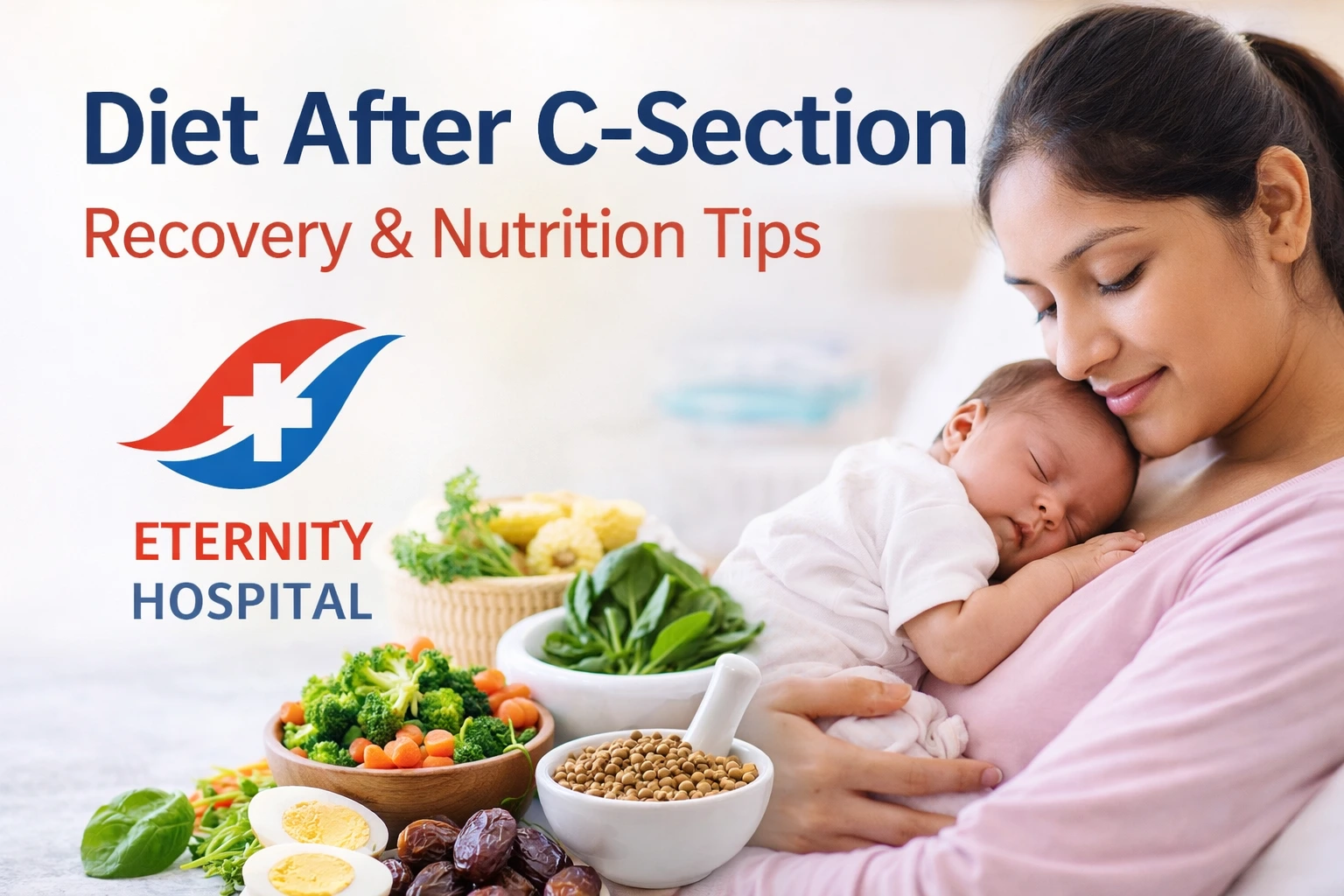
Diet After C-Section: Complete Guide for Faster Recovery
Understanding C-Section Recovery
Why Nutrition Matters After Surgery
A C-section (cesarean delivery) isn’t just childbirth—it’s major abdominal surgery. Your body goes through layers of healing: skin, muscles, tissues, and even internal organs. That’s why nutrition becomes your strongest ally during recovery. Think of your body like a construction site—without the right materials, repair work slows down or even fails.
After surgery, your body demands more nutrients than usual. It needs protein to rebuild tissues, iron to replace lost blood, and vitamins to boost immunity. Studies show that proper nutrition can significantly improve wound healing and reduce infection risks.
Beyond healing, your diet also affects your energy levels. Caring for a newborn is exhausting—late-night feedings, diaper changes, and constant attention. If your body isn’t properly fueled, fatigue can hit harder than expected. And if you’re breastfeeding, your nutritional needs increase even more because your body is nourishing two lives at once.
This is why focusing on a balanced, nutrient-rich diet isn’t optional—it’s essential. The right food choices can help you recover faster, feel stronger, and enjoy motherhood with more energy and confidence.
Healing Timeline and Body Needs
Recovery after a C-section typically takes around 6 to 8 weeks, though internal healing may take longer. During this time, your body undergoes continuous repair, and each phase requires specific nutrients.
In the first few days, digestion is slow, so light and easily digestible foods are recommended. As your body regains strength, you can gradually introduce more solid and nutrient-dense meals. Your metabolism is also working overtime, which means your calorie needs are slightly higher than usual.
Another important factor is hormonal changes. After delivery, your hormone levels fluctuate dramatically, affecting mood, appetite, and energy. A well-balanced diet helps stabilize these changes and supports mental well-being.
So instead of rushing into weight loss or restrictive eating, focus on healing first. Your body has done something incredible—give it the nutrition it deserves.
Essential Nutrients After C-Section
Protein for Tissue Repair
Protein is the building block of recovery. After surgery, your body needs protein to repair damaged tissues and rebuild muscle fibers. Without enough protein, healing slows down, and you may feel weaker for longer.
Foods like eggs, chicken, paneer, lentils, and tofu are excellent sources of protein. Including these in your daily meals helps your body regenerate cells faster. Experts recommend adding protein to every meal to ensure consistent recovery support.
Iron for Blood Recovery
During a C-section, blood loss is common, which can lead to low iron levels. Iron helps produce hemoglobin, which carries oxygen throughout your body. Without it, you may experience fatigue, dizziness, or weakness.
Iron-rich foods like spinach, dates, jaggery, and lean meats can help restore your levels. Pairing these foods with vitamin C sources like oranges or lemon enhances absorption.
Fiber for Digestion
Post-surgery constipation is very common, mainly due to reduced mobility and medications. Fiber plays a crucial role in improving digestion and preventing discomfort.
Whole grains, fruits, vegetables, and legumes are rich in fiber and help keep your digestive system running smoothly.
Calcium & Vitamins
Calcium strengthens bones and teeth, while vitamins like A, C, and E boost immunity and promote healing. These nutrients also support your baby’s growth if you’re breastfeeding.
Milk, curd, almonds, leafy greens, and fruits should be regular parts of your diet.
Best Foods to Eat After C-Section
Protein-Rich Foods
Protein-rich foods are your recovery superheroes. Think of them as repair workers rebuilding your body from the inside out. Including a mix of plant and animal protein ensures you get all essential amino acids.
Some excellent choices include:
- Eggs and chicken
- Paneer and tofu
- Lentils and beans
These foods not only help with healing but also keep you full and energized throughout the day.
Whole Grains & Fiber Foods
Whole grains like oats, brown rice, and whole wheat provide sustained energy and improve digestion. They also help regulate blood sugar levels, preventing sudden energy crashes.
Fruits and Vegetables
Colorful fruits and vegetables are packed with antioxidants, vitamins, and minerals. They help fight infections and speed up healing.
Vegetables like spinach, carrots, and broccoli, along with fruits like papaya and bananas, are particularly beneficial.
Healthy Fats
Healthy fats are essential for hormone balance and energy. Include nuts, seeds, and a small amount of ghee in your diet. These fats also support brain function and overall well-being.
Foods to Avoid After C-Section
Gas-Producing Foods
Foods that cause bloating—like carbonated drinks and certain legumes—should be avoided initially. Gas can put pressure on your surgical incision, causing discomfort.
Spicy & Fried Foods
Spicy and fried foods can irritate your digestive system and slow down healing. They may also affect your baby if you’re breastfeeding.
Caffeine & Alcohol
Caffeine should be limited, as it can affect your baby’s sleep. Alcohol is best avoided completely during recovery.
Indian Diet Plan After C-Section
First Week Diet Plan
In the first week, focus on light and easily digestible foods:
- Moong dal khichdi
- Vegetable soups
- Coconut water
- Soft chapati with dal
Second Week Diet Plan
Gradually include more variety:
- Roti with sabzi
- Paneer dishes
- Rice with dal
- Fruits and dry fruits
A balanced Indian diet can provide all the essential nutrients needed for recovery.
Hydration & Fluid Intake
Importance of Water
Hydration is often overlooked but extremely important. Drinking 1.5–2 liters of water daily helps prevent constipation, supports milk production, and keeps your body functioning smoothly.
Fluids like soups, coconut water, and herbal teas can also be beneficial.
Diet Tips for Breastfeeding Mothers
Foods That Increase Milk Supply
Certain foods are known to boost lactation, including:
- Fenugreek seeds
- Garlic
- Green leafy vegetables
- Fennel seeds
These foods help improve milk production and ensure your baby gets proper nutrition.
Weight Loss After C-Section
Safe Timeline for Weight Loss
Many new moms feel pressure to lose weight quickly, but rushing into dieting can harm their recovery. Experts suggest gradual weight loss—around 0.5 kg per week—to avoid affecting milk supply.
Focus on healthy eating and light activity rather than strict dieting.
Recovery Tips Beyond Diet
Lifestyle & Rest
Diet alone isn’t enough. Proper rest and gentle movement are equally important. Walking helps improve circulation and prevents complications like blood clots.
Try to rest whenever your baby sleeps—it may sound cliché, but it works. Recovery is a combination of nutrition, rest, and emotional well-being.
When to Consult a Doctor
If you experience severe pain, infection signs, or difficulty in digestion, consult your doctor immediately. Everybody is different, and personalized advice is always best.
Promote Your Care with Expert Support
For expert guidance, recovery care, and professional consultation, you can visit https://www.hospitaleternity.com/. Getting proper medical advice alongside a good diet ensures faster healing and a safer postpartum journey.
Conclusion
Recovering from a C-section is a journey that requires patience, care, and the right nutrition. Your body has gone through major surgery, and it deserves proper fuel to heal and regain strength. By focusing on balanced meals, hydration, and gradual recovery, you can support your body effectively.
Remember, this phase is temporary—but how you care for yourself now can impact your long-term health. So eat well, rest enough, and give yourself the time you need to heal
https://www.hospitaleternity.com/gynaecological-problems-treatment-in-ghazi
.https://www.hospitaleternity.com/caesarean-delivery-in-ghaziabad/