

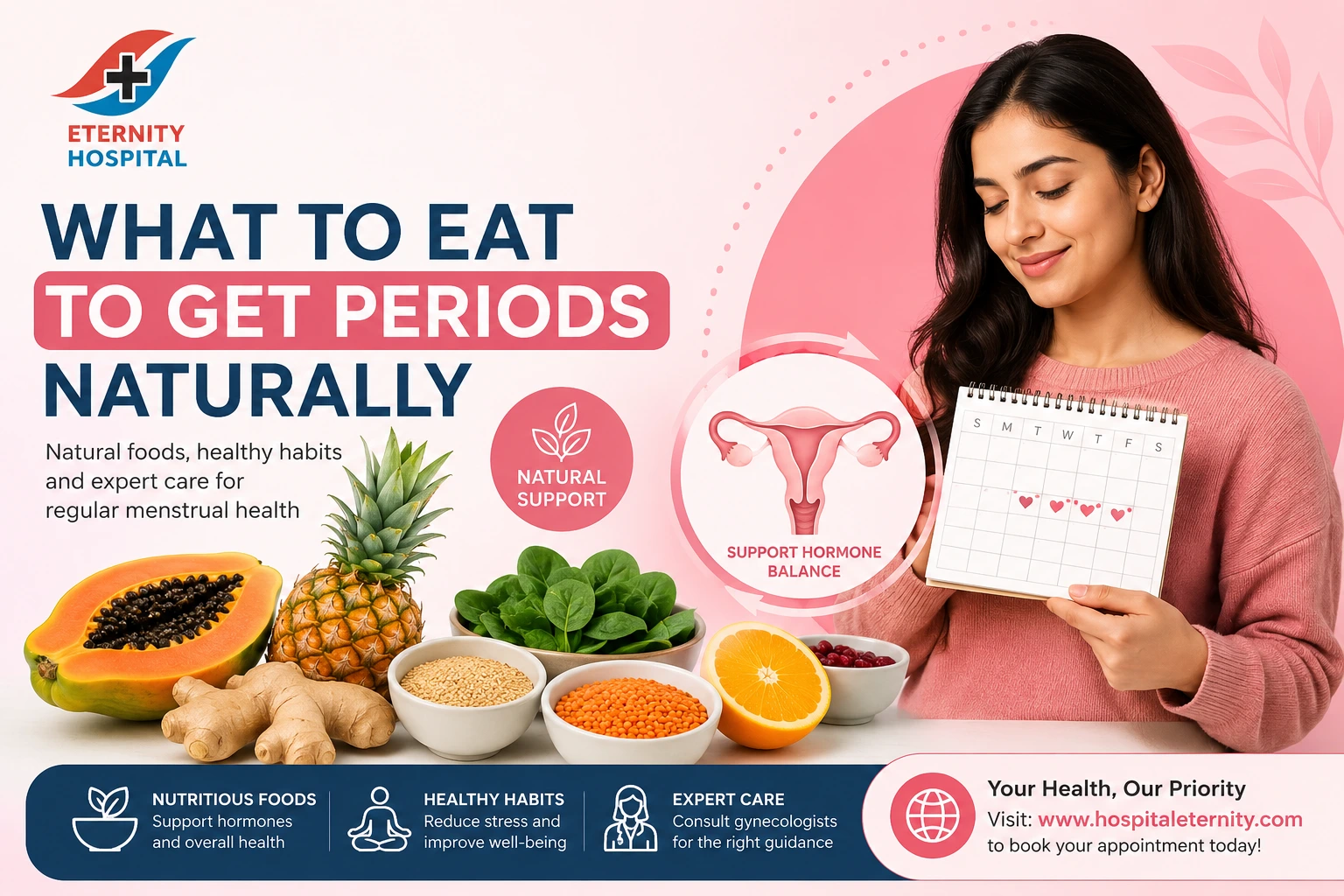
What to Eat to Get Periods Naturally Missing or delayed periods can be stressful for women of every age. Whether your menstrual cycle has become irregular due to stress, lifestyle changes, hormonal fluctuations, excessive exercise, weight changes, or medical conditions such as PCOS (Polycystic Ovary Syndrome), you may start searching for natural ways to help your body return to a healthy cycle. One of the most common questions women ask is, “What should I eat to get my period naturally?” While many foods are popularly believed to induce periods, scientific evidence shows that no single food can instantly trigger menstruation. Instead, a healthy, balanced diet supports hormone production, reduces inflammation, and improves overall reproductive health, which may help regulate menstrual cycles over time.
Many traditional home remedies, including papaya, pineapple, ginger, turmeric, sesame seeds, and vitamin C-rich fruits, have been used for generations. Although some of these foods contain nutrients that support hormonal health or reduce inflammation, research has not confirmed that they can reliably bring on a delayed period. This means they should be viewed as supportive dietary choices rather than guaranteed treatments. If your periods are consistently irregular, the underlying cause should always be identified instead of relying solely on home remedies.
If you are experiencing frequent menstrual irregularities, consulting an experienced gynecologist is the safest approach. At Hospital Eternity, women receive comprehensive evaluation, advanced diagnostic testing, and personalized treatment plans for menstrual disorders, PCOS, thyroid-related issues, hormonal imbalance, fertility concerns, and adolescent gynecological care. Visit https://www.hospitaleternity.com/ to learn more about women’s healthcare services and schedule your consultation.
Understanding Why Periods Get Delayed
A delayed period does not always indicate pregnancy. In fact, there are dozens of possible reasons why menstruation may arrive later than expected. Stress is one of the leading causes because increased cortisol levels interfere with the hormones responsible for ovulation. Weight loss, obesity, excessive workouts, poor nutrition, thyroid disorders, breastfeeding, perimenopause, and hormonal contraceptives can all affect menstrual timing. Medical conditions such as PCOS are among the most common reasons for persistent irregular periods in reproductive-age women.
Many women experience occasional irregular cycles without any serious health problems. However, if your period is more than 90 days late, becomes unusually heavy, or is associated with severe pain, medical evaluation is recommended. Ignoring repeated menstrual irregularities may delay the diagnosis of hormonal disorders that can affect fertility and long-term health.
Can Food Really Help Bring Your Period?
This is probably the most searched question on the internet regarding delayed periods. The simple answer is not direct. Current medical research indicates that there is no scientifically proven food capable of immediately inducing menstruation. Menstrual bleeding is controlled by complex hormonal changes involving estrogen, progesterone, the pituitary gland, and the ovaries. Food alone cannot override these hormonal mechanisms.
That said, good nutrition plays a significant role in maintaining hormonal balance. A diet rich in vitamins, minerals, antioxidants, healthy fats, protein, and fiber supports ovulation and reproductive health. Women suffering from nutritional deficiencies or extreme dieting often experience irregular periods because the body prioritizes survival over reproduction. Improving overall nutrition may gradually restore regular menstrual cycles, especially when combined with adequate sleep, stress management, hydration, and moderate exercise.
Best Foods That May Support Healthy Menstrual Cycles
Papaya
Raw papaya is widely recommended in traditional medicine because it contains carotenoids and digestive enzymes. Some believe these compounds may support estrogen activity and improve blood circulation. Although there is no strong clinical evidence proving that papaya induces menstruation, it remains a nutritious fruit rich in vitamin A, vitamin C, fiber, and antioxidants that contribute to overall reproductive health.
Pineapple
Pineapple contains bromelain, an enzyme believed to reduce inflammation. Traditional remedies often recommend pineapple for delayed periods, but scientific studies have not confirmed this effect. Nevertheless, pineapple provides vitamin C, manganese, and antioxidants that support immune and hormonal health.
Ginger
Ginger has long been valued for its anti-inflammatory properties. Studies suggest ginger may reduce menstrual pain and improve digestion. While it is commonly recommended as a natural remedy for delayed periods, evidence supporting its ability to induce menstruation remains limited. Drinking fresh ginger tea can still be part of a healthy diet for women experiencing menstrual discomfort.
Turmeric
Turmeric contains curcumin, a powerful anti-inflammatory compound. It may support overall hormonal balance and reduce inflammation associated with menstrual discomfort. Although turmeric cannot guarantee the onset of menstruation, adding it to meals may contribute to better overall reproductive wellness.
Vitamin C-Rich Fruits
Oranges, guava, kiwi, strawberries, lemons, amla, and bell peppers provide abundant vitamin C, which supports collagen production, immunity, and antioxidant defense. Claims that vitamin C directly induces menstruation remain unproven, but these fruits are essential components of a nutritious diet.
Sesame Seeds
Sesame seeds are rich in calcium, magnesium, iron, zinc, and healthy fats. These nutrients support hormonal function and bone health. Although many traditional remedies recommend sesame seeds for delayed periods, reliable scientific evidence is still lacking.
Iron-Rich Foods
Women with heavy periods or nutritional deficiencies often develop iron deficiency anemia. Consuming spinach, lentils, beans, chickpeas, lean meat, eggs, and leafy vegetables helps replenish iron stores and supports healthy menstrual cycles. Iron-rich diets also improve energy levels and reduce fatigue during menstruation.
Lifestyle Habits That Support Regular Periods
Diet is only one part of menstrual health. Chronic stress significantly disrupts hormonal balance by increasing cortisol production, which can delay ovulation. Practicing yoga, meditation, deep breathing, and maintaining healthy sleep patterns can positively influence menstrual regularity.
Maintaining a healthy body weight is equally important. Women who are underweight or overweight commonly experience irregular periods due to hormonal imbalance. Moderate physical activity, adequate hydration, balanced meals, and seven to nine hours of quality sleep each night create the ideal environment for regular ovulation. Avoid crash diets, excessive caffeine, smoking, and alcohol, all of which may negatively affect hormonal health.
When to See a Gynecologist
Natural dietary changes should never replace professional medical care when menstrual irregularities persist. You should consult a gynecologist if:
Symptoms: Why Medical Care is Needed
Period delayed for more than 3 months. Possible hormonal disorder
Very heavy bleeding, Risk of anemia
Severe pelvic pain may indicate endometriosis or fibroids
Gynaecological Problems Treatment in Ghaziabad
Irregular periods with acne or weight gain, possible PCOS
Missed period after unprotected sex, Pregnancy evaluation
Bleeding after menopause requires immediate assessment
Early diagnosis helps prevent complications and allows timely treatment.
Why Choose Hospital Eternity for Women’s Health?
If you are searching for the best gynecologist in Indirapuram, Ghaziabad, Hospital Eternity provides comprehensive women’s healthcare under the guidance of experienced specialists.
The hospital offers:
- Menstrual disorder evaluation
- PCOS diagnosis and treatment
- Pregnancy care
- High-risk pregnancy management
- Fertility consultation
- Ultrasound and diagnostic services
- Hormonal imbalance treatment
- Adolescent gynecology
- Menopause management
The expert team focuses on evidence-based treatment while providing compassionate care tailored to every patient’s individual needs.
Visit https://www.hospitaleternity.com/ to book your consultation and receive personalized care for menstrual irregularities and overall women’s health.
Conclusion
Eating a nutritious diet is one of the best ways to support hormonal balance and reproductive health. Still, it is important to understand that no food can instantly or reliably bring on a delayed period. Foods such as papaya, pineapple, ginger, turmeric, sesame seeds, iron-rich vegetables, and vitamin C-rich fruits provide valuable nutrients that support overall health. Yet, they should not replace medical evaluation when periods become consistently irregular. A balanced lifestyle that includes healthy eating, regular exercise, adequate sleep, hydration, and stress management offers the greatest long-term benefits for menstrual health. If delayed periods continue or are accompanied by other symptoms, seeking advice from a qualified gynecologist is the safest and most effective step toward identifying and treating the underlying cause
https://www.hospitaleternity.com/best-pregnancy-care-in-ghaziabad/