

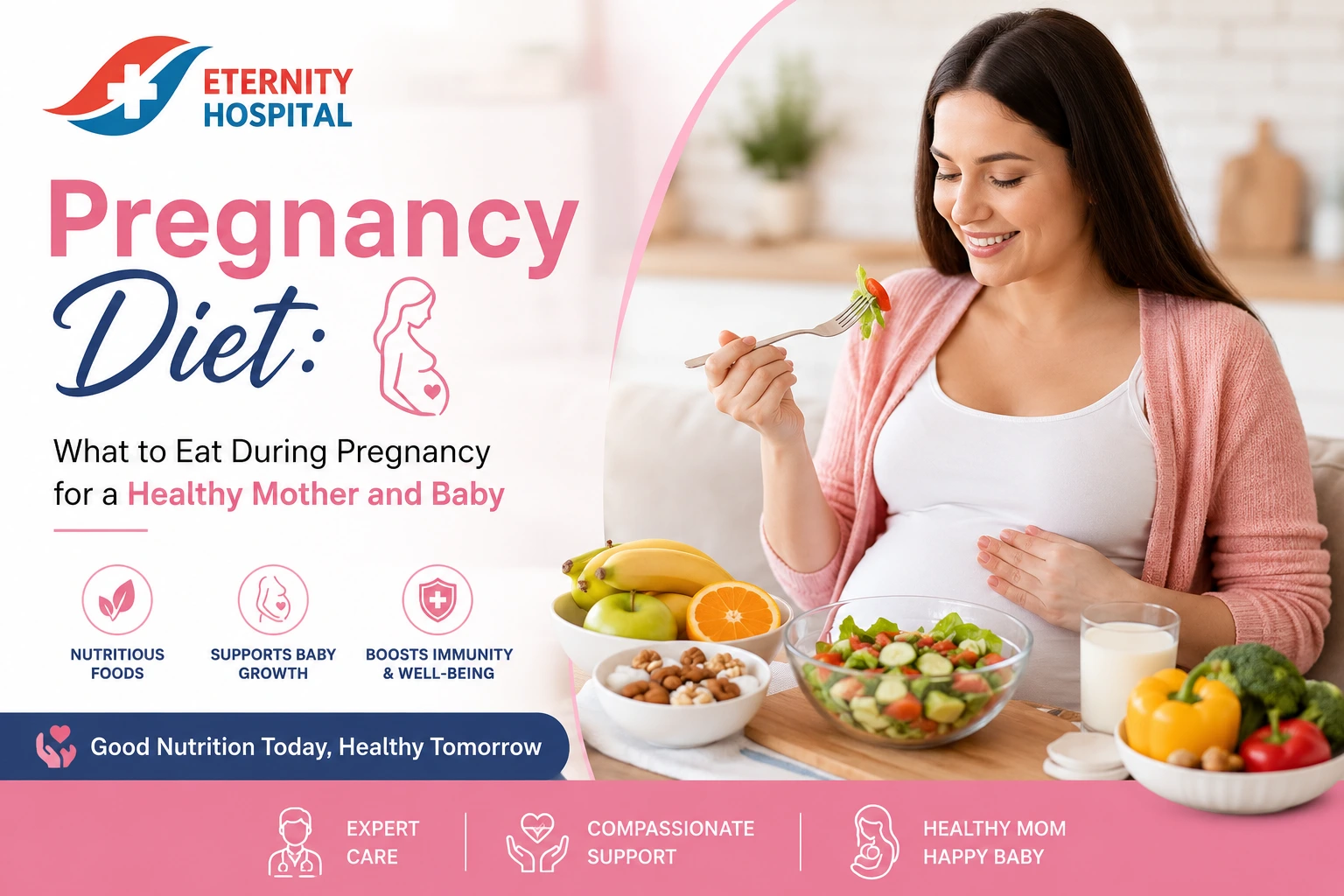
Pregnancy changes the way your body uses energy, protein, iron, folate, calcium and other nutrients. A good pregnancy diet is therefore not about eating twice as much; it is about choosing a wider variety of nutrient-dense foods and adapting your meals as pregnancy progresses.
The ICMR–National Institute of Nutrition (NIN) Dietary Guidelines for Indians 2024 specifically emphasize healthy eating before conception, during pregnancy and lactation, with attention to appropriate BMI, normal haemoglobin, varied food choices and avoidance of foods high in sugar, fat and salt.
Pregnancy Diet: Why Nutrition Matters During Pregnancy
Your nutritional needs change because your body is supporting both maternal health and fetal growth. Blood volume increases, tissues develop, the placenta grows, and the baby requires nutrients for the development of the brain, bones, blood cells and other organs.
The World Health Organization recommends nutritional counselling throughout pregnancy as part of antenatal care. WHO also recommends daily iron and folic acid supplementation during pregnancy because these nutrients are important in reducing maternal anaemia and risks associated with poor pregnancy outcomes.
Think of your pregnancy diet as building a nutritional foundation rather than following a temporary “diet.” A plate containing whole grains or millets, pulses, vegetables, fruit, dairy or suitable alternatives, nuts and an appropriate protein source can be much more useful than simply increasing calories.
What the Indian Dietary Guidelines Recommend
The 2024 ICMR-NIN guidelines provide suggested food-group quantities for a reference pregnant woman. Their example includes approximately 220 g cereals/millets, 75 g pulses, 150 g green leafy vegetables, 200 g other vegetables, 150 g fruit, 40 g nuts, and 400 ml milk/curd per day, with individual requirements varying according to body weight, activity and clinical circumstances.
These figures should not be treated as a personalised prescription. Your doctor or dietitian may recommend different amounts if you have gestational diabetes, anaemia, thyroid disease, hypertension, excessive vomiting, underweight or overweight status, multiple pregnancy, or another medical concern.
Essential Nutrients in a Pregnancy Diet
A healthy pregnancy diet needs more than calories. It needs the right combination of protein, iron, folate, calcium, iodine, vitamin D, vitamin B12, healthy fats, fibre and fluids.
Protein: The Building Material for Pregnancy
Protein supplies amino acids used to build maternal tissues and support fetal growth. Indian diets can provide protein through dal, rajma, chana, beans, soy, paneer, curd, milk, eggs, fish, chicken, nuts and seeds.
Vegetarian women can combine different plant protein sources across the day rather than relying on one food. For example, dal with rice, roti with dal, curd with a meal, paneer with vegetables, or chana with whole grains can make meals more nutritionally balanced.
Iron and Folate: Two Nutrients You Should Not Ignore
Iron requirements rise during pregnancy because the mother needs to produce more blood and support the developing placenta and fetus. Iron deficiency can contribute to anaemia, which is why antenatal testing and prescribed supplementation matter.
WHO recommends 30–60 mg of elemental iron plus 400 micrograms of folic acid daily for pregnant women as part of antenatal care.
Food sources of iron include lentils, beans, chickpeas, green leafy vegetables, meat and fortified foods. Combining plant-based iron sources with vitamin-C-rich foods such as citrus fruit, guava, tomatoes or capsicum can help improve non-haem iron absorption.
Folate is especially important around conception and early pregnancy. WHO recommends 400 micrograms of folic acid daily from the time a woman starts trying to conceive until 12 weeks of pregnancy; higher doses may be advised in specific high-risk situations by a clinician.
Calcium, Vitamin D and Iodine
Calcium supports the development of fetal bones and teeth while also contributing to maternal bone health. Milk, curd, paneer and calcium-fortified alternatives can contribute to calcium intake, while your doctor can advise whether supplementation is needed.
Vitamin D has several roles in normal body function, and supplementation may be recommended when dietary intake or blood levels are inadequate. Iodine is also important for thyroid hormone production and fetal development, so using appropriately iodised salt is an important part of a balanced Indian diet.
The practical point is simple: do not start multiple supplements independently. Prenatal supplements should be selected according to your pregnancy history, blood tests, diet, and doctor’s advice.
What Should You Eat During Pregnancy?
A useful pregnancy meal does not need to be expensive or complicated. Indian households already have many nutrient-rich options; the challenge is often combining them consistently and safely.
The WHO recommends eating a variety of foods, including vegetables, fruit, milk, meat, poultry, fish, beans, nuts, and whole grains, during pregnancy.
Indian Foods That Can Fit Into a Pregnancy Diet
Food group Examples Why they can help.
Whole grains/millets Roti, oats, brown rice, ragi, jowar, bajra Energy, fibre and nutrients
Pulses Dal, rajma, chana, moong, masoor Plant protein, iron and fibre
Vegetables Spinach, methi, beans, carrot, pumpkin, broccoli Folate, fibre, vitamins and minerals
Fruits Guava, orange, apple, banana, berries, papaya Fibre, vitamins and antioxidants
Dairy Milk, curd, paneer Protein and calcium
Nuts/seeds Almonds, walnuts, peanuts, sesame Healthy fats, protein and minerals
Eggs Fully cooked eggs High-quality protein and several micronutrients
Non-vegetarian protein Fully cooked chicken and low-mercury fish Protein and other essential nutrients
The goal is variety rather than obsessing over a single “superfood.” A plate built from several food groups is generally more useful than repeatedly eating one supposedly pregnancy-specific food.
Vegetables and Fruits
Try to include vegetables at lunch and dinner and fruit as part of snacks or meals. Wash fruits and vegetables thoroughly before eating them, especially when consuming them raw.
The NHS advises pregnant women to eat a variety of fruit and vegetables and emphasizes thorough washing because contaminated produce can carry harmful bacteria or soil-related organisms.
Dairy and Calcium-Rich Foods
Milk, curd and paneer can be practical choices for Indian families. If you use dairy alternatives, choose products that are appropriately fortified with calcium and are unsweetened where possible.
Pasteurised dairy products are generally preferred during pregnancy because unpasteurised products can carry bacteria such as Listeria.
Eggs, Fish and Other Protein Sources
Eggs can be an economical source of protein, but they should be cooked appropriately according to food-safety guidance. Fish can provide protein and beneficial fatty acids, but the type and quantity matter because some fish contain higher levels of mercury.
The NHS recommends avoiding raw fish and certain high-mercury fish such as shark, swordfish and marlin during pregnancy.
Pregnancy Diet by Trimester
Your nutritional priorities do not completely change every three months, but symptoms, appetite and energy requirements can change significantly.
First Trimester: Focus on Nutrient Quality
During the first trimester, nausea, vomiting, food aversions and acidity can make normal meals difficult. Instead of forcing large meals, many women find smaller, frequent meals easier to tolerate.
Folate is particularly important early in pregnancy. WHO recommends 400 micrograms of folic acid daily from preconception through the first 12 weeks, with different dosing required in certain high-risk situations under medical supervision.
If vomiting is severe or you are struggling to keep fluids down, do not simply try to solve the problem through diet. Contact your obstetrician because persistent vomiting can require medical assessment.
Second Trimester: Build Consistent Balanced Meals
As nausea improves for many women, appetite may increase. This is a good stage to establish regular meals containing protein, vegetables, whole grains or millets and healthy fats.
Iron needs remain important, and antenatal blood tests can identify anaemia or other concerns requiring treatment. WHO recommends iron and folic acid supplementation as part of antenatal care, while the exact regimen should follow your healthcare provider’s instructions and local clinical protocols.
Third Trimester: Support Growth and Maternal Energy Needs
The third trimester is a period of substantial fetal growth. You may also experience heartburn, constipation, reduced appetite or the feeling of being full quickly because the growing uterus occupies more abdominal space.
Instead of making every meal larger, focus on nutrient density. Include protein regularly, choose fibre-rich foods if tolerated, maintain adequate fluid intake and discuss persistent constipation, swelling, heartburn or other symptoms with your obstetrician.
A Practical Pregnancy Meal Plan
There is no single meal plan suitable for every pregnant woman. Calorie and nutrient requirements depend on pre-pregnancy nutritional status, activity level, trimester, medical conditions, and fetal or maternal concerns.
Still, a sample structure can make healthy eating easier.
Time Illustrative option
Early morning Water + a small snack if nausea is present
Breakfast Vegetable poha/upma/oats + curd or a well-cooked egg
Mid-morning Seasonal fruit + a small portion of nuts
Lunch Roti or rice + dal/beans + vegetables + curd
Evening Roasted chana/makhana or another protein-rich snack
Dinner Roti/rice + cooked vegetables + dal/paneer/chicken/fish
Bedtime if needed Milk or another suitable calcium-rich option
This is an illustrative framework, not an individual medical diet chart. Women with gestational diabetes, anaemia, thyroid conditions, food allergies, severe nausea, or other medical conditions may need a modified plan.
Pregnancy Diet and Weight Gain: Should You “Eat for Two”?
One of the most common pregnancy nutrition misconceptions is that pregnancy means doubling food intake. It does not.
The CDC-hosted U.S. Dietary Guidelines summarize the Institute of Medicine recommendations, in which total pregnancy weight gain varies according to pre-pregnancy BMI: 28–40 lb for underweight women, 25–35 lb for women in the healthy BMI range, 15–25 lb for overweight women, and 11–20 lb for women with obesity.
These ranges are not universal targets for every Indian woman. Your obstetrician should interpret weight gain in the context of your pre-pregnancy BMI, health status, fetal growth, and pregnancy course.
Situation Better approach
Normal appetite Balanced meals and planned snacks
Frequent nausea Smaller, more frequent meals
Excessive weight gain Discuss portion balance and activity with your clinician.
Poor weight gain Medical and nutritional assessment
Gestational diabetes Individual carbohydrate distribution and monitoring
Anaemia Diet plus prescribed iron treatment where indicated
The key is to avoid both extremes: deliberately restricting food to prevent weight gain and eating excessive calories simply because you are pregnant.
Foods and Drinks to Avoid or Limit During Pregnancy
Food safety becomes especially important during pregnancy because some infections and contaminants can have serious consequences.
Raw and Undercooked Foods
Avoid foods that carry a significant risk of harmful bacteria or parasites, including raw meat, undercooked meat and raw seafood. Eggs should also be prepared according to appropriate food-safety guidance.
The NHS specifically advises against raw fish and raw shellfish and recommends thorough cooking of meat and poultry.
Unpasteurised Dairy
Choose pasteurised milk and dairy products. Unpasteurised products can contain harmful bacteria, including Listeria.
Alcohol
Alcohol should be avoided during pregnancy. The NHS states that drinking alcohol during pregnancy can cause long-term harm to the baby and recommends avoiding it.
Excessive Caffeine and Herbal Products
Caffeine intake should be discussed with your healthcare provider, particularly if you consume several cups of tea or coffee each day. Herbal preparations are not automatically safe just because they are “natural”; some have limited safety data during pregnancy.
Vitamin A and Certain Supplements
Do not take supplements containing retinol or cod liver oil unless specifically directed by your healthcare professional. Excess vitamin A can be harmful during pregnancy.
Common Pregnancy Diet Mistakes
A healthy diet can still go off track through small, repeated habits. One common mistake is replacing proper meals with biscuits, sugary drinks or packaged snacks when nausea or fatigue makes cooking difficult.
Another mistake is believing that fruit juice is equivalent to whole fruit. Whole fruit generally provides fibre, while juice can make it easier to consume a large amount of sugar quickly.
A third mistake is taking supplements based on social-media advice. Pregnancy is not the right time to experiment with high-dose vitamins, herbal products or weight-loss products without medical guidance.
The ICMR-NIN 2024 guidelines specifically advise avoiding foods high in sugar, fat, and salt and recommend taking prescribed medicines rather than self-medicating.
Vegetarian and Non-Vegetarian Pregnancy Diets
Both vegetarian and non-vegetarian diets can be structured around pregnancy nutrition needs. The important question is not whether you eat meat; it is whether your overall diet provides adequate protein, iron, folate, vitamin B12, calcium and other required nutrients.
For vegetarian diets, pulses, beans, soy, paneer, curd, milk, nuts and seeds can provide useful protein. Vitamin B12 deserves particular attention in strict vegan diets because reliable sources may require fortified foods or supplementation.
For non-vegetarian diets, properly cooked eggs, chicken, and appropriate fish can contribute protein and micronutrients. However, food safety and fish selection remain important.
Pregnancy Diet for Women With Special Conditions
A standard pregnancy diet may not be appropriate when you have a medical condition.
Gestational Diabetes
Gestational diabetes does not mean eliminating all carbohydrates. It usually requires careful meal composition, carbohydrate distribution, physical activity where medically appropriate, and glucose monitoring according to your healthcare team’s plan.
Anaemia
If blood tests confirm anaemia, food alone may not correct the problem quickly enough. Your doctor may prescribe iron and investigate the underlying cause, while your diet can support overall iron intake.
Severe Morning Sickness
Persistent vomiting can affect hydration and nutrition. If you cannot keep fluids or food down, seek medical assessment rather than relying solely on home remedies.
Thyroid Disorders
Thyroid disease during pregnancy needs appropriate medical monitoring. Diet can support overall health, but it should not replace prescribed thyroid treatment or blood-test follow-up.
A Simple Pregnancy Nutrition Checklist
Use this as a practical starting point, then personalize it with your obstetrician or dietitian.
- Include a protein source in your main meals.
- Eat a variety of vegetables and seasonal fruits.
- Choose whole grains or millets regularly.
- Include suitable calcium-rich foods.
- Take prescribed iron, folic acid, and other supplements as directed.
- Wash fruits and vegetables carefully.
- Avoid alcohol and unsafe raw or undercooked foods.
- Avoid self-prescribing high-dose supplements or herbal products.
- Drink adequate fluids according to your healthcare provider’s advice.
- Attend antenatal appointments and complete recommended blood tests.
WHO recommends nutritional counselling throughout pregnancy as part of antenatal care, so nutrition should be discussed alongside routine pregnancy monitoring rather than treated as a separate subject.
Pregnancy Care in Ghaziabad, Indirapuram and Nearby Areas
For women looking for pregnancy care in Ghaziabad, Indirapuram, Siddharth Vihar, Noida, or Greater Noida, nutrition is only one part of a healthy pregnancy plan. Your pregnancy care should also include appropriate antenatal assessments, screening, monitoring of maternal health and fetal growth, and timely medical advice when symptoms change.
Eternity Hospital can be used as a local healthcare resource for women seeking pregnancy and maternity-related medical care. A consultation is especially important if you have persistent vomiting, anaemia, high blood pressure, abnormal blood sugar, thyroid disease, poor weight gain, excessive weight gain or another pregnancy-related concern.
When Should You Speak With Your Doctor About Your Diet?
You should not wait until a routine appointment if you are unable to eat or drink adequately, have persistent vomiting, significant weakness, symptoms suggestive of dehydration, or have been told that your haemoglobin, blood sugar or other pregnancy tests are abnormal.
Dietary changes should also be discussed when you follow a strict vegetarian or vegan diet, have food allergies, have a history of nutritional deficiency, are carrying twins or have a pregnancy complicated by another medical condition.
Your obstetrician can use your clinical history, examination and laboratory results to decide whether dietary advice alone is appropriate or whether supplementation, further investigation or referral to a dietitian is needed.
Conclusion
A strong pregnancy diet is built around variety, food safety and adequate nutrition rather than expensive “pregnancy superfoods” or restrictive rules. The 2024 ICMR-NIN Dietary Guidelines emphasize diverse foods, appropriate nutritional status, and avoidance of high-sugar, high-fat, and high-salt foods, while WHO recommends appropriate antenatal nutrition counselling and iron-folic acid supplementation.
The most important step is to make your diet fit your pregnancy, not someone else’s meal plan. If you are pregnant in Ghaziabad, Indirapuram, Siddharth Vihar, Noida, or Greater Noida and have questions about nutrition, supplements, weight gain, or pregnancy symptoms, discuss them with a qualified obstetrician before making major dietary or supplement changes.
s