

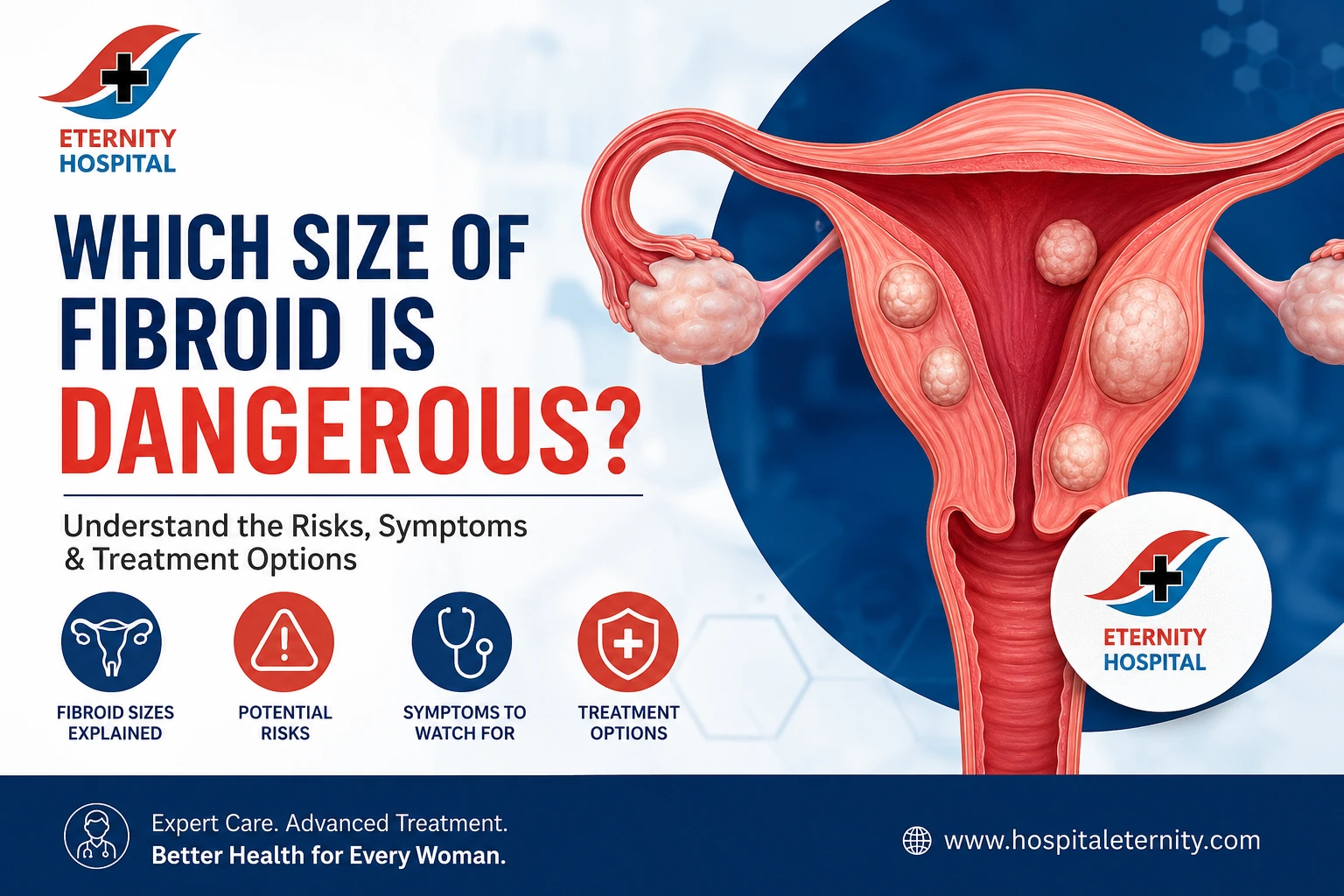
Which Size of Fibroid Is Dangerous?
Hearing that you have a uterine fibroid can feel overwhelming, especially when your doctor mentions its size. Many women immediately ask, “Which size of fibroid is dangerous?” The answer isn’t always straightforward because a fibroid’s impact depends on more than just how big it is. Factors such as its location, the number of fibroids, the symptoms it causes, and your age or pregnancy plans all play important roles. Some women live comfortably with large fibroids for years, while others experience severe symptoms from much smaller ones.
Fibroids are among the most common non-cancerous tumors affecting women during their reproductive years. Medical research suggests that up to 70–80% of women may develop fibroids by the age of 50, although many never experience symptoms. While fibroids are usually benign, they can interfere with daily life by causing heavy menstrual bleeding, pelvic pain, fertility problems, and pressure on nearby organs. Understanding what fibroid size means and when it becomes concerning can help you make informed decisions about treatment and seek medical attention before complications arise.
What Are Uterine Fibroids?
Uterine fibroids, medically known as leiomyomas, are non-cancerous growths that develop from the muscular wall of the uterus. They vary significantly in size, ranging from tiny seed-like nodules that cannot be seen without imaging to massive growths that enlarge the uterus to the size of a full-term pregnancy. Fibroids may appear individually or as multiple tumors, and they often grow slowly over several years.
Although the exact cause remains unclear, doctors believe hormones such as estrogen and progesterone stimulate fibroid growth. Genetics, obesity, family history, and hormonal changes also contribute to their development. Fibroids are not cancerous, and the likelihood of a fibroid becoming cancerous is extremely low. However, they can still create serious health problems if left untreated. The symptoms depend on their size, location, and number rather than their benign nature.
Many women discover fibroids accidentally during routine pelvic examinations or ultrasound scans. Others seek medical attention because of heavy menstrual bleeding, prolonged periods, pelvic discomfort, or difficulty conceiving. Early diagnosis allows doctors to monitor growth and recommend appropriate treatment before symptoms worsen.
Types of Fibroids
Not every fibroid behaves the same way. Their location inside or around the uterus greatly influences the symptoms they produce and the treatment approach required.
Intramural fibroids develop within the muscular wall of the uterus. They are the most common type and often cause heavy periods, pelvic pain, and enlargement of the uterus.
Submucosal fibroids grow just beneath the uterine lining and protrude into the uterine cavity. Even small submucosal fibroids can trigger excessive menstrual bleeding and fertility issues because they interfere with implantation.
Subserosal fibroids form on the outer surface of the uterus. These fibroids usually press against surrounding organs, including the bladder or bowel, leading to urinary frequency, constipation, or lower back pain.
Pedunculated fibroids are attached to the uterus by a thin stalk. They can twist on their stalk, causing sudden, severe pain that requires immediate medical attention.
Knowing the fibroid type helps doctors predict symptoms more accurately than size alone. For example, a 3 cm submucosal fibroid may require treatment sooner than an 8 cm subserosal fibroid that causes no symptoms.
Understanding Fibroid Sizes
Doctors measure fibroids in centimeters using ultrasound or MRI scans. Understanding these measurements helps patients better appreciate the potential health impact.
Fibroid Size: Approximate Comparison
Less than 2 cm Seed or pea
2–5 cm Grape to plum
5–10 cm Orange to grapefruit
Over 10 cm Melon or larger
Small fibroids generally remain unnoticed unless they develop in sensitive areas. Medium-sized fibroids may begin producing noticeable symptoms depending on their position. Large fibroids can significantly enlarge the uterus, compress nearby organs, and interfere with normal body functions.
Some rare cases involve fibroids larger than 20 centimeters, occupying much of the abdomen. These giant fibroids almost always require surgical removal because they severely affect quality of life and may impair kidney or bowel function.
Which Size of Fibroid Is Considered Dangerous?
There is no single measurement that automatically makes a fibroid dangerous. Instead, doctors evaluate several factors before recommending treatment.
Fibroids smaller than 2 centimeters are usually monitored unless they cause heavy bleeding or infertility.
Fibroids between 3 and 5 centimeters may begin producing symptoms depending on where they develop. Some women require medication, while others undergo regular follow-up imaging.
Fibroids measuring 5 to 10 centimeters are more likely to cause pelvic pressure, prolonged menstrual bleeding, frequent urination, constipation, and abdominal enlargement. Treatment becomes increasingly common at this stage.
Fibroids larger than 10 centimeters deserve careful medical evaluation because they can compress nearby organs, reduce blood flow, cause severe anemia through excessive menstrual bleeding, and complicate pregnancy. Although not every large fibroid requires surgery, many eventually need removal due to worsening symptoms.
Rather than focusing solely on size, gynecologists ask several important questions. Is the fibroid growing rapidly? Is it causing severe pain? Is it affecting fertility? Does it interfere with the bladder or bowel? These questions often determine whether treatment is necessary.
Symptoms According to Fibroid Size
Fibroid symptoms usually become more noticeable as tumors enlarge, although location remains equally important.
Small fibroids often produce no symptoms and are discovered incidentally during routine scans. Women may never know they have them unless imaging is performed for another reason.
Medium-sized fibroids commonly cause heavier menstrual bleeding, longer periods, pelvic discomfort, mild pressure, painful intercourse, and occasional lower back pain. Many women also notice increasing fatigue because chronic blood loss can lead to iron-deficiency anemia.
Large fibroids frequently create more serious symptoms. Patients often report visible abdominal swelling, constant pelvic pressure, difficulty emptying the bladder, constipation, severe menstrual cramps, lower back pain, pain during intercourse, and fertility problems. Extremely large fibroids may even make the abdomen appear pregnant.
When symptoms begin interfering with daily activities, work, sleep, or reproductive health, professional medical evaluation becomes essential regardless of the fibroid’s exact measurement.
Factors More Important Than Size
Although size attracts the most attention, experienced gynecologists consider several additional factors before deciding on treatment.
Location remains one of the most important considerations. A small fibroid inside the uterine cavity may cause repeated miscarriages, while a much larger fibroid on the outer uterine wall causes no symptoms at all.
Growth rate is another key factor. Rapid enlargement may indicate hormonal stimulation or, in very rare cases, another underlying condition requiring further investigation.
Age also influences treatment recommendations. Women nearing menopause may avoid surgery because fibroids often shrink naturally as hormone levels decline. Younger women hoping to conceive usually require treatment plans that preserve fertility.
Finally, symptom severity often outweighs measurements. Two women with identically sized fibroids can experience completely different health outcomes depending on individual anatomy and hormone levels.
Complications of Large Fibroids
Large uterine fibroids can lead to several health complications if they are left untreated. While fibroids are almost always non-cancerous, their increasing size can interfere with the normal functioning of the uterus and nearby organs. One of the most common complications is heavy menstrual bleeding, which may continue for several days longer than a normal period. Excessive blood loss over time can cause iron-deficiency anemia, leading to fatigue, dizziness, weakness, headaches, and shortness of breath. Many women do not realize that their constant tiredness is actually related to untreated fibroids until blood tests reveal low hemoglobin levels.
Another serious complication occurs when fibroids press against nearby organs. Large fibroids located at the front of the uterus may compress the bladder, causing frequent urination, urgency, or difficulty emptying the bladder. Fibroids growing toward the back of the uterus can place pressure on the rectum, leading to constipation and painful bowel movements. In severe cases, extremely large fibroids may even affect the kidneys by blocking the normal flow of urine. Some women also experience chronic pelvic pain, lower back pain, and discomfort while walking or exercising because of the constant pressure created by large fibroids. Although rare, a fibroid can outgrow its blood supply and begin to degenerate, resulting in sudden, severe pain that requires immediate medical evaluation. Recognizing these complications early helps prevent long-term health issues and improves overall quality of life.
Fibroids During Pregnancy
Pregnancy and uterine fibroids can sometimes coexist without causing significant problems, but larger fibroids may increase the risk of pregnancy-related complications. During pregnancy, hormone levels rise dramatically, especially estrogen and progesterone, which may stimulate fibroid growth in some women. Although many fibroids remain stable throughout pregnancy, others enlarge during the first trimester before shrinking later. The effect of fibroids depends largely on their size and location within the uterus.
Fibroids located near the placenta or inside the uterine cavity may increase the risk of miscarriage, preterm labor, abnormal fetal position, and placental complications. Very large fibroids can reduce the available space inside the uterus, making it difficult for the baby to move into the ideal head-down position before delivery. This sometimes increases the likelihood of requiring a cesarean section. Fibroids may also contribute to pelvic pain during pregnancy because they compete with the growing uterus for space. Despite these risks, many women with fibroids experience completely healthy pregnancies and deliver healthy babies. Regular prenatal ultrasounds allow doctors to monitor both fetal growth and fibroid size throughout pregnancy. Women planning to conceive should discuss fibroid treatment options with their gynecologist beforehand, particularly if they have large or symptomatic fibroids that may interfere with fertility or pregnancy outcomes.
How Doctors Diagnose Fibroids
Diagnosing uterine fibroids usually begins with a detailed discussion of symptoms followed by a pelvic examination. During the physical examination, a gynecologist may notice that the uterus feels enlarged or irregular in shape. While this examination provides useful clues, imaging tests are necessary to confirm the diagnosis and determine the number, size, and exact location of the fibroids.
Ultrasound is the most commonly used imaging test because it is safe, painless, widely available, and highly effective at identifying fibroids. Transabdominal ultrasound provides a broad overview of the uterus, while transvaginal ultrasound offers greater detail for smaller fibroids. In more complex cases, doctors may recommend an MRI scan, which creates highly detailed images of the uterus and surrounding tissues. MRI is especially useful when planning surgery or evaluating multiple fibroids. Additional procedures such as hysteroscopy, sonohysterography, or hysterosalpingography may be recommended for women experiencing infertility or recurrent miscarriages because these tests evaluate whether fibroids are affecting the uterine cavity. Blood tests are also commonly performed to assess anemia caused by heavy menstrual bleeding. Accurate diagnosis allows physicians to develop personalized treatment plans based on symptoms, reproductive goals, and overall health rather than relying solely on fibroid size.
Fibroid Size Comparison Table
Fibroid Size, Common Symptoms, Risk Level, Typical Treatment
Less than 2 cm, usually none, Low Observation and regular follow-up
2–5 cm Mild bleeding or pelvic discomfort Low to Moderate Medication or monitoring
5–10 cm Heavy periods, pelvic pressure, urinary symptoms Moderate Medication or minimally invasive procedures
More than 10 cm Severe pain, anemia, fertility issues, organ compression High Surgical evaluation often recommended
This table serves as a general guide. Individual treatment decisions always depend on symptoms, location, age, fertility goals, and overall health.
Treatment Options
Modern medicine offers several effective treatments for uterine fibroids, allowing doctors to tailor therapy according to each patient’s symptoms and reproductive plans. Women with small, symptom-free fibroids often require no immediate treatment beyond regular ultrasound monitoring. Many fibroids remain stable for years and never require intervention.
Medications are frequently the first treatment option for symptomatic fibroids. Hormonal therapies can reduce heavy menstrual bleeding and temporarily shrink fibroids by lowering estrogen levels. Pain relievers help manage pelvic discomfort, while iron supplements correct anemia caused by excessive blood loss. Although medications improve symptoms, they usually do not eliminate fibroids permanently.
Minimally invasive procedures have transformed fibroid treatment in recent years. Uterine artery embolization blocks the blood supply feeding fibroids, causing them to shrink gradually. MRI-guided focused ultrasound uses sound waves to destroy fibroid tissue without surgical incisions. Myomectomy removes fibroids while preserving the uterus, making it an excellent option for women planning future pregnancies. Hysterectomy, the complete removal of the uterus, provides a permanent cure for women with severe symptoms who no longer wish to have children. Advances in laparoscopic and robotic surgery have significantly reduced recovery time compared with traditional open surgery, allowing many patients to return to normal activities much sooner.
Lifestyle Changes That May Help
Although lifestyle changes cannot eliminate uterine fibroids, healthy habits may help manage symptoms and support overall reproductive health. Maintaining a healthy body weight is particularly important because excess body fat contributes to higher estrogen levels, which may encourage fibroid growth. A balanced diet rich in fruits, vegetables, whole grains, legumes, and lean proteins provides essential nutrients that support hormonal balance and reduce inflammation.
Iron-rich foods such as spinach, lentils, beans, red meat, and fortified cereals are especially beneficial for women experiencing heavy menstrual bleeding. Vitamin C improves iron absorption, making citrus fruits, strawberries, and bell peppers valuable additions to the diet. Regular physical activity supports healthy hormone regulation, improves circulation, and helps maintain an ideal weight. Managing stress through meditation, yoga, deep breathing exercises, or sufficient sleep may also contribute to better hormonal health. While natural remedies and herbal supplements are widely promoted online, scientific evidence supporting their effectiveness remains limited. Women should always consult a qualified gynecologist before trying alternative therapies, particularly if they are planning pregnancy or taking prescription medications.
When Surgery Is Needed
Not every fibroid requires surgery, but certain situations make surgical treatment the safest and most effective option. Women experiencing severe menstrual bleeding leading to anemia, persistent pelvic pain, rapid fibroid growth, infertility, repeated pregnancy loss, or significant pressure on the bladder or bowel are often advised to consider surgery. The decision depends not only on fibroid size but also on the patient’s age, symptoms, future pregnancy plans, and overall health.
Myomectomy is commonly recommended for women wishing to preserve fertility because it removes only the fibroids while leaving the uterus intact. Depending on the number and location of fibroids, the procedure may be performed through hysteroscopy, laparoscopy, robotic surgery, or open abdominal surgery. Hysterectomy remains the only permanent cure because it completely removes the uterus, eliminating the possibility of future fibroid growth. Advances in minimally invasive surgery have dramatically improved patient outcomes by reducing blood loss, shortening hospital stays, minimizing postoperative pain, and accelerating recovery. Consulting an experienced gynecologic surgeon ensures that patients receive individualized treatment based on their specific condition rather than a one-size-fits-all approach.
Recovery After Treatment
Recovery varies depending on the type of treatment received. Women treated with medications usually continue their normal daily activities while monitoring symptom improvement. Minimally invasive procedures often require only a few days of recovery, allowing patients to return to work relatively quickly. Mild pelvic discomfort, fatigue, or light bleeding may occur temporarily but generally resolve within a short period.
Recovery after myomectomy depends on whether the surgery was performed laparoscopically or through an open abdominal incision. Laparoscopic procedures often allow patients to resume normal activities within two to four weeks, while open surgery may require six to eight weeks for complete healing. Women undergoing hysterectomy generally experience similar recovery timelines depending on the surgical technique used. During recovery, following the doctor’s instructions regarding physical activity, wound care, medications, and follow-up appointments is essential for optimal healing. Regular monitoring also helps identify any recurrence in women who undergo uterus-preserving procedures.
Can Fibroids Be Prevented?
There is no guaranteed way to prevent uterine fibroids because genetics and hormonal influences play major roles in their development. However, maintaining a healthy lifestyle may reduce certain risk factors associated with fibroid growth. Eating a nutritious diet, exercising regularly, limiting highly processed foods, maintaining a healthy weight, and managing chronic conditions such as high blood pressure contribute to overall reproductive wellness.
Routine gynecological checkups are equally important because early detection allows fibroids to be monitored before they become problematic. Women with a family history of fibroids should remain especially vigilant about regular pelvic examinations and ultrasound screenings when recommended by their healthcare provider.
When to Visit a Gynecologist
You should seek medical attention if you experience heavy menstrual bleeding lasting longer than normal, severe pelvic pain, persistent pressure in the lower abdomen, difficulty urinating, constipation that does not improve, unexplained anemia, pain during intercourse, or difficulty becoming pregnant. Sudden severe abdominal pain accompanied by fever or rapid enlargement of the abdomen also requires immediate medical evaluation.
Early consultation allows doctors to diagnose fibroids before complications develop. Delaying treatment may lead to worsening symptoms, larger fibroids, and more complex surgical procedures. Prompt medical care often provides more treatment options and better long-term outcomes.
Why Choose Hospital Eternity?
When it comes to diagnosing and treating uterine fibroids, choosing the right healthcare provider makes a significant difference. Hospital Eternity offers comprehensive women’s healthcare services supported by experienced gynecologists, advanced diagnostic technology, and personalized treatment plans. Whether a patient requires routine monitoring, medication, minimally invasive procedures, or advanced fibroid surgery, the medical team focuses on delivering evidence-based care tailored to individual needs.
Patients benefit from modern imaging facilities, expert consultation, compassionate care, and advanced surgical techniques designed to minimize discomfort and accelerate recovery. The hospital emphasizes patient education so that every woman understands her diagnosis, available treatment options, and expected outcomes before making healthcare decisions. To learn more about fibroid diagnosis and treatment or to schedule a consultation, visit https://www.hospitaleternity.com/ and explore the comprehensive women’s health services available.
Conclusion
Understanding which size of fibroid is dangerous requires looking beyond measurements alone. While fibroids larger than 10 centimeters are more likely to cause significant health problems, even small fibroids can produce serious symptoms if they grow in sensitive areas of the uterus. Heavy menstrual bleeding, pelvic pain, fertility concerns, bladder pressure, constipation, and pregnancy complications often guide treatment decisions more than size itself.
Modern medicine offers highly effective options ranging from careful observation and medications to minimally invasive procedures and advanced surgery. Early diagnosis remains the best strategy for preventing complications and preserving reproductive health. If you experience symptoms suggestive of uterine fibroids, consulting an experienced gynecologist without delay can help you receive the most appropriate care. With timely medical attention and individualized treatment, most women successfully manage fibroids and continue to enjoy healthy, active lives.