

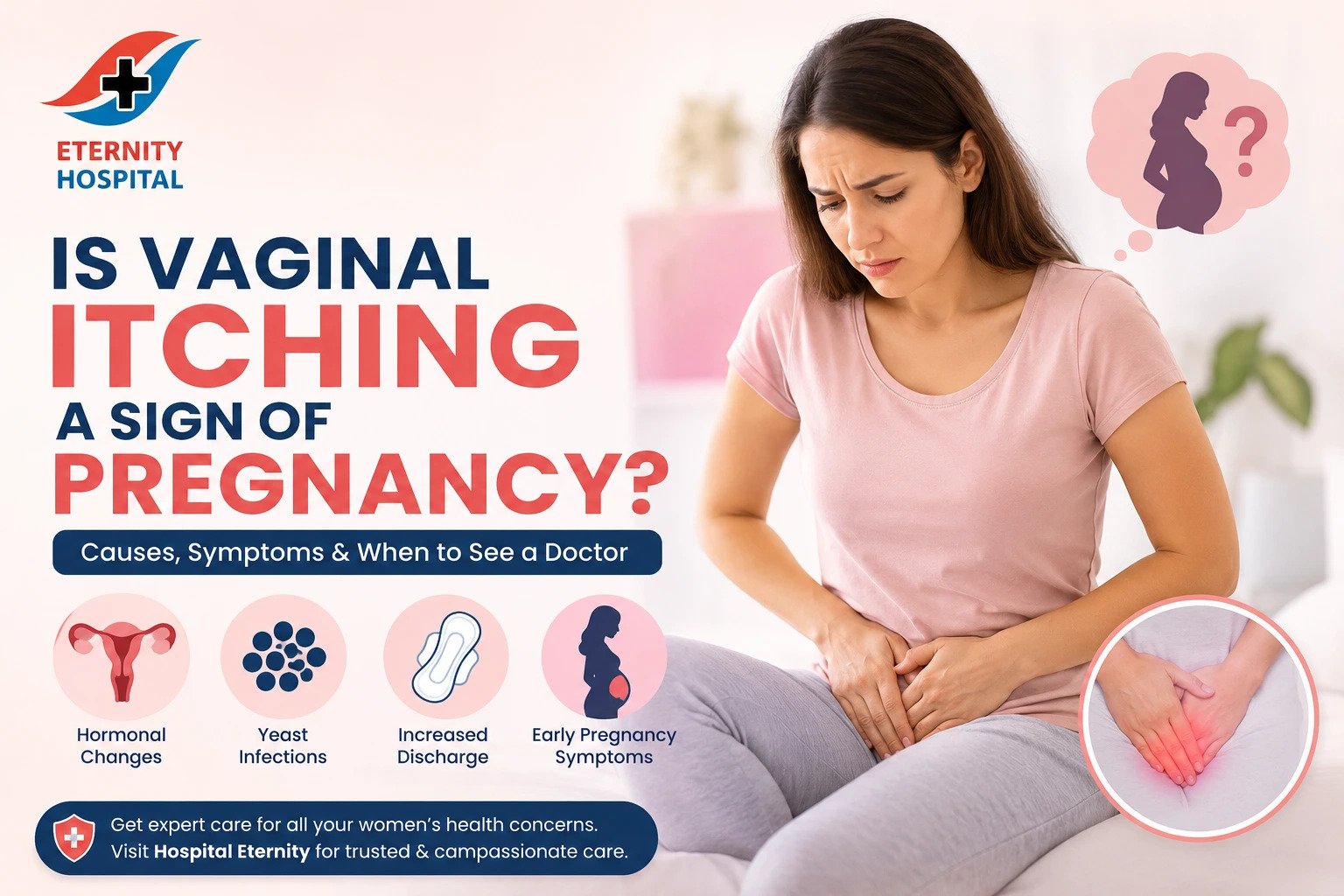
Many women notice unexpected changes in their bodies while trying to conceive or during the early weeks of pregnancy. One common concern is vaginal itching, leading many to ask, “Is vaginal itching a sign of pregnancy?” The simple answer is not necessarily. Although hormonal changes during pregnancy can contribute to vaginal itching, itching by itself is not considered a reliable or definitive early sign of pregnancy. Medical experts explain that vaginal itching is more commonly associated with infections, skin irritation, allergies, or changes in the vaginal environment rather than pregnancy alone.
Pregnancy brings dramatic hormonal shifts, increased blood flow, and changes in vaginal pH. These natural changes can make the vaginal area more sensitive and increase the likelihood of developing yeast infections or bacterial vaginosis, both of which frequently cause itching. Because several different conditions can produce similar symptoms, it is important not to assume pregnancy based solely on vaginal discomfort. Instead, if pregnancy is suspected, taking a home pregnancy test after a missed period and consulting a qualified gynecologist is the most accurate approach. This comprehensive guide explains the relationship between vaginal itching and pregnancy, explores the most common causes, discusses available treatments, and highlights when professional medical care becomes necessary.
Understanding Vaginal Itching
Vaginal itching refers to irritation, discomfort, or a persistent urge to scratch the vulva or the inside of the vagina. The severity varies from mild irritation to intense itching that interferes with daily activities or sleep. While occasional itching may result from temporary irritation, persistent itching usually indicates an underlying issue that deserves medical evaluation.
Many women experience vaginal itching at some point in their lives. During pregnancy, hormonal fluctuations increase vaginal discharge and alter the natural balance of bacteria and yeast, making infections more likely. Medical literature reports that itching is a relatively common complaint during pregnancy, although generalized itching is more common than isolated vaginal itching. Studies estimate that 23–38% of pregnant women experience itching somewhere on the body during pregnancy, though vaginal itching specifically is less common and often linked to identifiable causes such as infection.
Can Vaginal Itching Be an Early Sign of Pregnancy?
Many women searching online wonder whether vaginal itching is one of the earliest pregnancy symptoms. The truth is that vaginal itching alone is not recognized as a typical early pregnancy symptom. Pregnancy hormones such as estrogen and progesterone begin increasing shortly after conception, changing the vaginal environment. These hormonal changes can indirectly contribute to itching by increasing vaginal discharge or encouraging yeast overgrowth.
Most women who experience early pregnancy notice symptoms such as:
| Common Early Pregnancy Symptoms | Less Reliable Symptoms |
|---|---|
| Missed period | Mild itching |
| Breast tenderness | Temporary irritation |
| Fatigue | Slight increase in discharge |
| Morning sickness | Mild vaginal discomfort |
| Frequent urination | Occasional dryness |
Although itching can occur, doctors emphasize that it should never be used as a way to diagnose pregnancy. If itching develops without a missed period or other pregnancy symptoms, the cause is more likely related to infection, allergies, hygiene products, or skin sensitivity.
Common Causes of Vaginal Itching During Pregnancy
Yeast Infection
One of the most common reasons for vaginal itching during pregnancy is a vaginal yeast infection (Candida infection). Pregnancy hormones increase glycogen levels within vaginal tissues, creating an environment where yeast grows more easily. Symptoms often include severe itching, redness, burning, swelling, and thick white discharge resembling cottage cheese.
Fortunately, yeast infections are usually treatable with pregnancy-safe antifungal medications prescribed by a healthcare provider. Self-treatment without diagnosis should be avoided because symptoms of bacterial vaginosis or sexually transmitted infections can closely resemble a yeast infection.
Bacterial Vaginosis
Bacterial vaginosis develops when the normal balance of vaginal bacteria changes. Besides itching, women may notice a thin gray discharge accompanied by a strong fishy odor. Untreated bacterial vaginosis during pregnancy has been associated with complications such as premature birth and low birth weight, making prompt diagnosis especially important.
Increased Vaginal Discharge
Normal pregnancy causes increased vaginal discharge called leukorrhea. While this discharge helps protect against infections, excessive moisture can sometimes irritate sensitive skin around the vulva, leading to itching. Maintaining good hygiene and wearing breathable cotton underwear usually helps reduce irritation.
Allergies and Skin Irritation
Sometimes itching has nothing to do with pregnancy itself. Scented soaps, detergents, bubble baths, sanitary pads, tight clothing, or synthetic underwear may irritate delicate genital skin. Pregnancy often increases skin sensitivity, making products that were previously tolerated suddenly irritating.
Other Pregnancy Symptoms to Watch For
If you are wondering whether you might be pregnant, doctors recommend looking for a combination of symptoms rather than relying on vaginal itching. Early pregnancy commonly includes:
- Missed menstrual period
- Breast swelling and tenderness
- Fatigue
- Morning sickness
- Food cravings or aversions
- Frequent urination
- Mild cramping
- Light implantation spotting
- Increased vaginal discharge
Taking a home pregnancy test after a missed period provides much greater accuracy than relying on symptoms alone. Blood tests performed by a gynecologist can confirm pregnancy even earlier.
When Vaginal Itching Could Be a Medical Concern
Although mild itching may not always indicate a serious condition, some symptoms require prompt medical attention. Contact your doctor if vaginal itching occurs with:
- Thick white discharge
- Green, yellow, or gray discharge
- Strong unpleasant odor
- Fever
- Burning while urinating
- Pain during intercourse
- Vaginal bleeding
- Pelvic pain
- Persistent redness or swelling
Ignoring these symptoms can delay treatment of infections that may affect both maternal and fetal health during pregnancy. Early diagnosis allows safe treatment with medications appropriate for pregnancy.
Diagnosis and Treatment Options
A gynecologist typically diagnoses the cause of vaginal itching through medical history, physical examination, and laboratory testing of vaginal discharge. Identifying the exact cause is important because treatments differ significantly.
Depending on the diagnosis, treatment may include:
- Pregnancy-safe antifungal creams for yeast infections
- Antibiotics for bacterial vaginosis
- Treatment for sexually transmitted infections if present
- Avoiding scented hygiene products
- Wearing loose cotton underwear
- Keeping the genital area dry
- Maintaining proper hygiene without excessive washing
Healthcare providers generally advise avoiding over-the-counter medications unless specifically recommended during pregnancy.
Tips to Prevent Vaginal Itching
Preventing vaginal itching often involves maintaining a healthy vaginal environment. Helpful preventive measures include:
- Wear breathable cotton underwear.
- Change out of wet clothing promptly.
- Avoid scented soaps and feminine hygiene sprays.
- Wipe from front to back after using the restroom.
- Avoid douching.
- Stay well hydrated.
- Maintain balanced blood sugar levels.
- Follow your doctor’s prenatal care recommendations.
Simple lifestyle adjustments can significantly reduce irritation and lower the risk of developing vaginal infections.
Why Choose Hospital Eternity for Women’s Healthcare
If you are experiencing vaginal itching, unusual discharge, pregnancy concerns, or any gynecological symptoms, receiving timely expert care is essential. Hospital Eternity provides comprehensive women’s healthcare services, including pregnancy care, fertility consultation, gynecology, obstetrics, prenatal screening, and treatment for vaginal infections.
The experienced medical team focuses on accurate diagnosis, personalized treatment plans, and compassionate care for women at every stage of life. Whether you are planning a pregnancy, expecting a baby, or seeking expert gynecological advice, Hospital Eternity offers advanced diagnostic facilities and patient-centered treatment to help you maintain optimal reproductive health.
Visit https://www.hospitaleternity.com/ to learn more about their women’s healthcare services, book an appointment, and receive expert guidance from experienced specialists.
Conclusion
Vaginal itching can certainly occur during pregnancy, but it should not be considered a reliable sign of pregnancy by itself. Hormonal changes may increase the likelihood of yeast infections, bacterial vaginosis, or skin sensitivity, all of which can produce itching. When accompanied by unusual discharge, odor, pain, or persistent irritation, professional medical evaluation becomes important to identify the underlying cause and begin appropriate treatment.
If pregnancy is suspected, rely on a pregnancy test and consultation with a qualified gynecologist rather than symptoms alone. Seeking early medical advice ensures both maternal comfort and a healthy pregnancy. Hospitals like Hospital Eternity provide comprehensive women’s healthcare services, helping patients receive accurate diagnosis, safe treatment, and ongoing pregnancy support from experienced specialists.
https://www.hospitaleternity.com/gynaecological-problems-treatment-in-ghaziabad/