

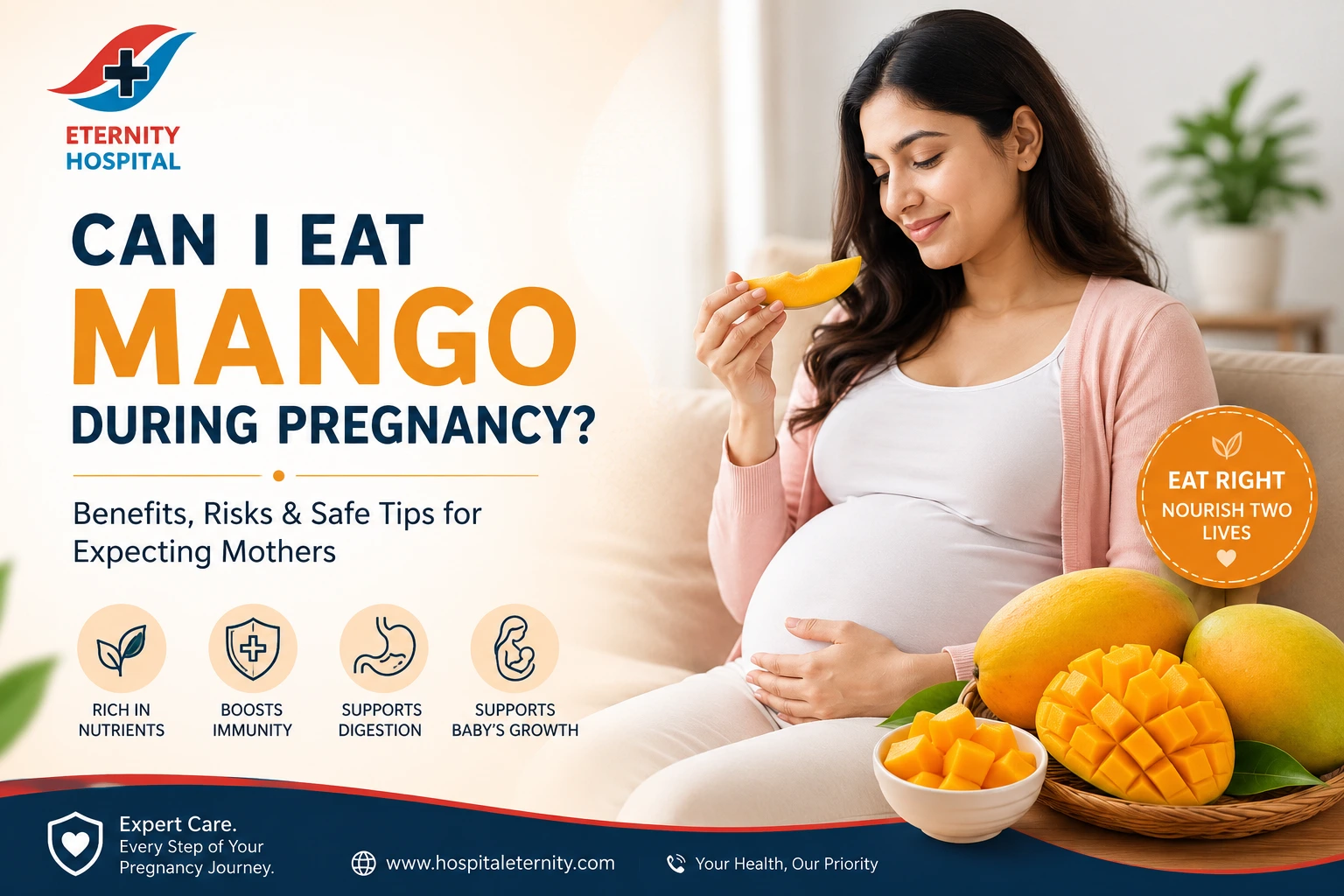
Can I Eat Mango During Pregnancy?
Pregnancy is one of the most exciting phases of a woman’s life, but it also comes with countless questions about food choices. Among the most common concerns is, “Can I eat mango during pregnancy?” The simple answer is yes. Fresh, ripe mangoes can be a healthy addition to a balanced pregnancy diet when consumed in moderation. Packed with vitamins, minerals, antioxidants, and dietary fiber, mangoes provide several nutritional benefits for both the mother and the developing baby.
Many pregnant women crave sweet fruits, especially during the summer season when mangoes are widely available. Since mangoes are naturally sweet and flavorful, they often become a favorite snack. However, confusion arises from several myths suggesting that mangoes generate excessive body heat or may adversely affect pregnancy. Modern medical evidence does not support these claims. Instead, healthcare professionals recommend eating seasonal fruits, including mangoes, as part of a nutritious diet, provided they are thoroughly washed and consumed in appropriate quantities.
Choosing fresh mangoes instead of artificially ripened ones is equally important. Fruits that ripen naturally contain their full nutritional value, whereas chemically ripened mangoes may contain harmful residues. Pairing mangoes with other healthy foods like yogurt, oats, or nuts can also help balance blood sugar levels and improve overall nutrition during pregnancy.
Understanding the Nutritional Value of Mango
Mango is often called the “King of Fruits,” and for good reason. It contains a rich combination of nutrients that support maternal health and fetal development. One medium-sized mango provides vitamin C, vitamin A, folate, potassium, dietary fiber, copper, magnesium, and several plant-based antioxidants. These nutrients contribute to a healthy immune system, improved digestion, and proper growth of the baby.
Essential Vitamins and Minerals
Vitamin C helps improve iron absorption, which is essential during pregnancy because the body’s iron requirements increase significantly. Better iron absorption reduces the likelihood of anemia, a common condition among pregnant women. Vitamin A plays a crucial role in fetal eye development, skin formation, and immune function. Folate supports healthy brain and spinal cord development, reducing the risk of neural tube defects.
Mangoes are also a good source of potassium, which helps regulate blood pressure and reduces muscle cramps that many women experience during pregnancy. Dietary fiber promotes healthy bowel movements and prevents constipation, one of the most common digestive complaints during pregnancy.
Why Pregnant Women Crave Mangoes
Pregnancy hormones often alter taste preferences and increase cravings for sweet or tangy foods. Mangoes satisfy both cravings while providing valuable nutrients instead of empty calories. Their refreshing taste can also help women experiencing nausea or loss of appetite, particularly during the first trimester.
Is Mango Safe During Pregnancy?
Yes, ripe mangoes are generally safe during pregnancy when consumed in moderation. Obstetricians and nutritionists commonly recommend including seasonal fruits in pregnancy diets because they supply essential vitamins, minerals, antioxidants, and hydration. The key lies in portion control and choosing naturally ripened fruit.
The biggest concern isn’t the mango itself but how it is prepared. Always wash mangoes thoroughly before cutting them to remove dirt, bacteria, and pesticide residues. Avoid pre-cut mango sold in unhygienic conditions because it may increase the risk of foodborne infections.
What Doctors Recommend
Doctors usually advise pregnant women to eat a variety of fruits instead of depending heavily on a single fruit. Mango can certainly be part of that variety. A serving of one cup of sliced mango is generally considered appropriate for most healthy pregnancies, although women with gestational diabetes or specific dietary restrictions should consult their healthcare provider regarding portion sizes.
Common Myths About Eating Mango
| Mango causes miscarriage | There is no scientific evidence supporting this claim. |
| Mango creates excessive body heat | Moderate consumption of ripe mangoes is considered safe. |
| Pregnant women should avoid sweet fruits | Natural sugars from fruits are different from refined sugars when consumed in recommended portions. |
| Mango harms the baby | Mango provides valuable nutrients that support fetal development. |
Health Benefits of Eating Mango During Pregnancy
Including mangoes in a balanced pregnancy diet offers numerous health benefits for both mother and baby. The combination of vitamins, minerals, antioxidants, and fiber makes mango one of the healthiest seasonal fruits available.
Supports Baby’s Growth
Vitamin A and folate found in mangoes contribute significantly to fetal growth and development. These nutrients support healthy vision, nervous system development, and proper organ formation. Antioxidants present in mangoes also help protect cells from oxidative stress during pregnancy.
Improves Digestion
Constipation is a common complaint among pregnant women because hormonal changes slow down digestion. Mangoes contain dietary fiber that promotes smoother bowel movements and improves digestive health naturally. Eating mango with sufficient water further enhances digestive comfort.
Boosts Immunity
Pregnancy naturally changes the immune system, making women more susceptible to infections. Mangoes contain vitamin C and antioxidant compounds that strengthen immune defenses and help the body fight common illnesses.
Helps Prevent Anemia
Iron deficiency anemia is common during pregnancy. Although mango is not rich in iron, its high vitamin C content improves iron absorption from foods like spinach, lentils, beans, and lean meat, making it a valuable addition to meals.
Are There Any Risks of Eating Too Much Mango?
Like every healthy food, mango should be enjoyed in moderation. Excessive consumption may lead to unnecessary calorie intake and higher sugar consumption.
High Natural Sugar Content
Mango naturally contains fruit sugar. Eating multiple mangoes every day may contribute to elevated blood sugar levels, especially in women with gestational diabetes or insulin resistance.
Weight Gain Concerns
Pregnancy requires additional calories, but consuming excessive sweet fruits along with other high-calorie foods may contribute to unnecessary weight gain. Maintaining a healthy weight gain during pregnancy reduces complications during delivery.
Gestational Diabetes Considerations
Women diagnosed with gestational diabetes do not necessarily have to avoid mango completely. Instead, they should monitor portion sizes, pair mango with protein-rich foods like yogurt or nuts, and follow individualized dietary advice provided by their obstetrician or dietitian.
Best Time to Eat Mango During Pregnancy
First Trimester
During the first trimester, many women experience nausea and morning sickness. Small portions of chilled mango can sometimes improve appetite and provide hydration. However, women with severe nausea should introduce fruits gradually based on their tolerance.
Second Trimester
The second trimester is often the most comfortable phase of pregnancy. Nutritional requirements increase as the baby grows rapidly, making mango an excellent addition to snacks, smoothies, salads, or breakfast bowls.
Third Trimester
During the final months, fiber-rich foods become increasingly important because constipation is more common. Moderate mango intake combined with adequate hydration supports digestive health while supplying essential vitamins.
Tips to Eat Mango Safely During Pregnancy
Following simple precautions ensures you receive maximum nutritional benefits while minimizing potential risks.
- Always choose ripened mangoes naturally.
- Wash the fruit thoroughly before peeling.
- Avoid chemically ripened mangoes.
- Eat fresh mango instead of processed mango desserts with added sugar.
- Do not consume spoiled or overripe fruit.
- Practice portion control.
- Pair mango with protein-rich foods for better blood sugar balance.
- Store cut mangoes properly in the refrigerator.
- Drink enough water throughout the day.
These habits not only improve food safety but also contribute to better maternal nutrition during pregnancy.
When Should You Avoid Mango?
Although mango is healthy for most pregnancies, certain situations require caution. Women with gestational diabetes should discuss appropriate serving sizes with their doctor. Individuals who have mango allergies should avoid the fruit entirely. If eating mango causes itching, swelling, stomach discomfort, or difficulty breathing, immediate medical attention is necessary.
Women advised to follow specialized medical diets due to pregnancy complications should also seek guidance before making significant dietary changes. Every pregnancy is unique, and personalized nutritional advice always offers the best outcomes.
Why Choose Hospital Eternity for Pregnancy Care?
A healthy pregnancy involves much more than eating nutritious foods. Regular prenatal check-ups, fetal monitoring, diagnostic testing, and expert medical guidance are equally important. Hospital Eternity provides comprehensive maternity services designed to support mothers throughout every stage of pregnancy.
The experienced team focuses on personalized pregnancy care, routine health monitoring, nutritional counseling, high-risk pregnancy management, painless delivery options, and postnatal care. Expectant mothers receive compassionate support from qualified specialists using modern medical facilities to ensure the best possible outcomes for both mother and baby.
If you are planning a pregnancy or expecting a baby, visit https://www.hospitaleternity.com/ to learn more about maternity services, women’s healthcare, fertility treatments, and expert obstetric care.
Conclusion
Mango is one of the healthiest seasonal fruits that pregnant women can enjoy as part of a balanced diet. Rich in vitamins A and C, folate, potassium, antioxidants, and dietary fiber, it supports immunity, digestion, fetal development, and overall maternal well-being. The key is moderation, proper hygiene, and choosing naturally ripened fruit.
Pregnancy nutrition does not require avoiding delicious fruits for medical reasons. Instead, focusing on variety, portion control, and regular prenatal care creates the foundation for a healthy pregnancy. Whether you enjoy mango slices, smoothies, fruit salads, or yogurt bowls, this flavorful fruit can safely become part of your pregnancy meal plan when recommended by your healthcare provider.
Along with healthy eating, regular medical check-ups remain essential. Consulting experienced obstetricians ensures both mother and baby receive the care they deserve throughout pregnancy.
https://www.hospitaleternity.com/gynaecological-problems-treatment-in-ghaziabad/
https://www.hospitaleternity.com/best-normal-delivery-in-ghaziabad/