

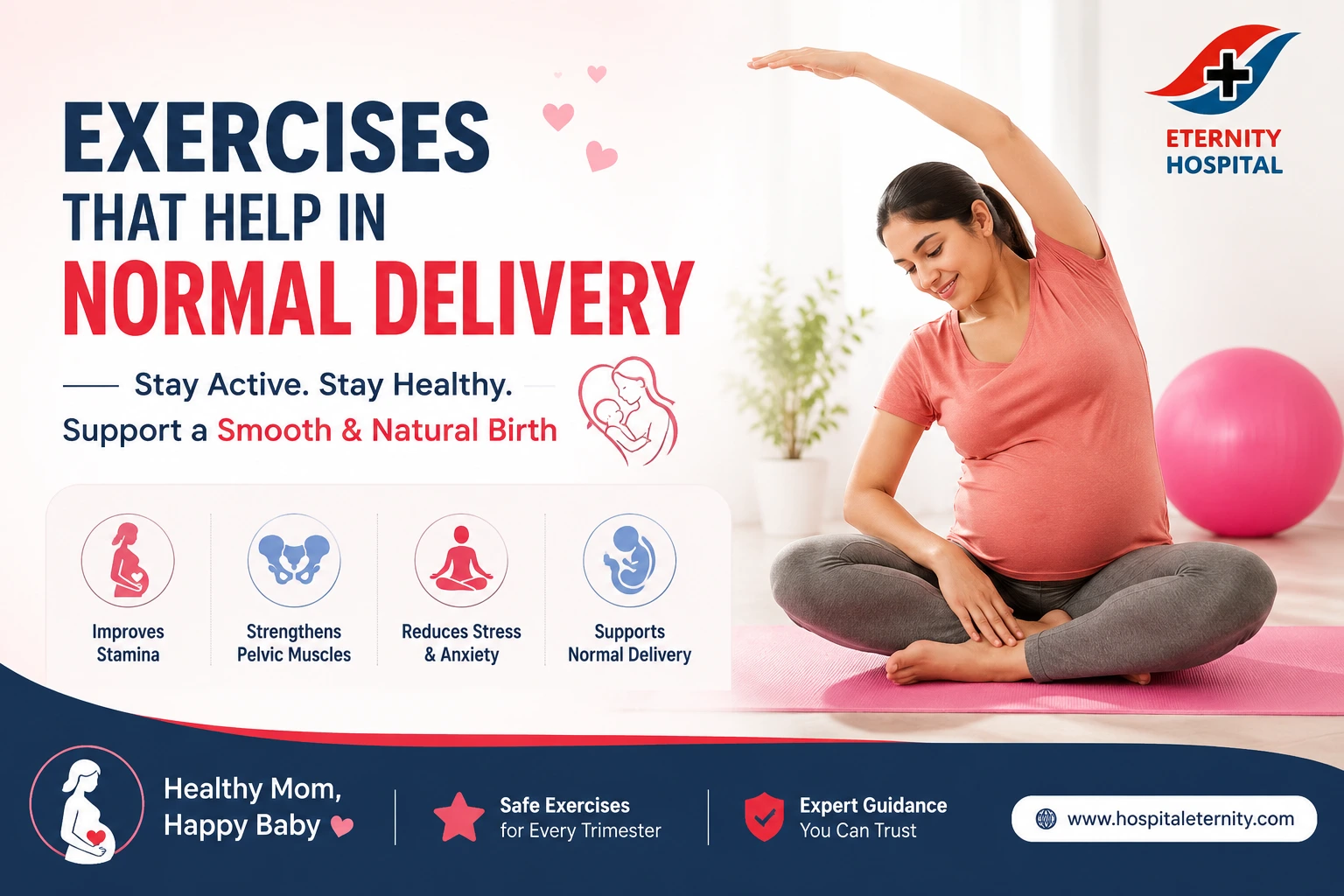
Exercises That Help in Normal Delivery
Pregnancy is one of the most beautiful journeys in a woman’s life, but let’s be honest—it also comes with anxiety, physical discomfort, and countless questions about labor and childbirth. One of the most common concerns among expectant mothers is whether they can have a smooth and normal delivery. The good news is that staying active during pregnancy can significantly improve the chances of a natural childbirth. Many gynecologists and prenatal experts recommend specific exercises that support a normal delivery by preparing the body physically and mentally for labor.
Exercise during pregnancy is not about maintaining a perfect figure or following a strict fitness routine. It is about strengthening your body, improving flexibility, increasing stamina, and preparing your pelvic muscles for childbirth. Studies from global health organizations show that women who remain physically active during pregnancy often experience shorter labor duration, reduced back pain, and better emotional well-being. Safe prenatal exercises can also help control excessive weight gain and reduce the risk of gestational diabetes and hypertension.
At Hospital Eternity, experienced maternity specialists encourage safe pregnancy workouts tailored to each trimester. With proper medical guidance and regular monitoring, simple daily exercises can make a remarkable difference in labor outcomes. If you are looking for natural ways to prepare for childbirth, this detailed guide covers the most effective and safest exercises to support a normal delivery.
Why Exercise During Pregnancy Matters
Pregnancy changes the body in incredible ways. Hormonal shifts, weight gain, and growing pressure on muscles and joints can create physical stress. Regular exercise acts like a support system for your body during this transformation. It improves blood circulation, boosts energy levels, reduces swelling, and enhances overall strength. Think of it as training your body for a marathon because labor itself requires endurance, stamina, and controlled breathing.
Women who stay active during pregnancy often report reduced muscle cramps and better posture. This happens because prenatal exercises strengthen the core and lower back muscles that support the spine. Improved posture becomes extremely important during the third trimester when the baby bump places extra pressure on the back. Exercise also encourages better sleep quality, which many pregnant women struggle with because of discomfort and hormonal changes.
Another major advantage is emotional health. Pregnancy can bring mood swings, anxiety, and emotional stress. Physical activity releases endorphins, commonly known as “feel-good hormones,” which naturally reduce stress and improve mood. This emotional balance is valuable during labor because a calm, confident mind often contributes to a smoother delivery.
How Exercise Supports Normal Delivery
The body uses multiple muscle groups during labor and childbirth. Pelvic, abdominal, thigh, hip, and lower back muscles all work together to help push the baby during delivery. Exercises that target these areas can improve muscle tone and flexibility, making labor easier and potentially reducing complications.
One of the biggest benefits of prenatal exercise is improved pelvic flexibility. The pelvis needs to expand during childbirth, and flexible muscles around this area can help facilitate a smoother delivery. Exercises like squats and butterfly stretches gently open the pelvic region and increase mobility. When pelvic muscles are strong yet flexible, pushing during labor becomes more effective.
Stamina also plays a major role in childbirth. Labor can last several hours, and exhaustion may interfere with effective contractions and pushing. Cardio-based activities like walking and prenatal aerobics improve cardiovascular endurance, allowing mothers to maintain energy throughout labor. Controlled breathing exercises further support oxygen flow, relaxation, and pain management during contractions.
Doctors at Hospital Eternity often advise combining physical exercises with relaxation techniques for better childbirth preparation. A balanced routine can increase confidence and help mothers feel more prepared mentally and physically.
Best Time to Start Pregnancy Exercises
Many women wonder when they should begin exercising during pregnancy. In most healthy pregnancies, light exercise can begin as early as the first trimester, with medical approval. The key is to choose safe, low-impact movements suited to each stage of pregnancy.
During the first trimester, fatigue and nausea are common. Gentle stretching, breathing exercises, and short walks are usually recommended during this stage. The focus should remain on maintaining movement rather than intense workouts. Women who exercised before pregnancy may continue moderate routines after consulting their doctor.
The second trimester is often considered the best phase for prenatal exercise because energy levels usually improve. This is the ideal time to practice squats, pelvic tilts, butterfly exercises, and prenatal yoga. These exercises strengthen muscles needed for labor while improving flexibility and posture.
In the third trimester, movements should become slower and more controlled. Balance can become challenging with a growing belly, so exercises must focus on safety and stability. Walking, breathing exercises, and gentle stretching are generally preferred during this stage. Avoiding strain is essential as the body prepares for childbirth.
Top Exercises That Help in Normal Delivery
Walking During Pregnancy
Walking is one of the safest and most effective forms of exercise during pregnancy. It is simple, low-impact, and suitable for almost every trimester. Walking improves blood circulation, strengthens leg muscles, and boosts stamina without putting excessive pressure on joints. Even a 20 to 30-minute daily walk can significantly improve overall fitness during pregnancy.
Regular walking helps maintain a healthy body weight, which may reduce the risk of pregnancy complications associated with excessive weight gain. Walking also keeps pelvic muscles active and encourages optimal fetal positioning before labor. Many experts believe that staying mobile during late pregnancy may help the baby naturally move into the correct birth position.
Another benefit is stress reduction. Fresh air and light movement improve mental clarity and emotional balance. Walking can also help reduce swelling in the feet and ankles, which is common during the later stages of pregnancy.
Squats for Easier Labor
Squats are widely recommended as one of the best exercises for normal delivery because they strengthen the lower body and open the pelvis. This exercise targets the thighs, hips, and pelvic floor muscles, all of which are heavily involved during childbirth.
Regular squatting can improve pelvic flexibility and create more space for the baby to descend during labor. It may also strengthen muscles needed for pushing during delivery. Many women practice supported squats by holding onto a chair or wall for balance and safety.
Here’s a simple comparison of squat benefits during pregnancy:
Benefit: How It Helps During Labor
Strengthens pelvic muscles, improves pushing efficiency
Opens the pelvic area, supports easier baby movement
Improves lower-body strength. Reduces fatigue during labor
Enhances flexibility, supports smoother contractions
Butterfly Exercise
The butterfly exercise is another popular prenatal workout. It stretches the inner thighs and pelvic muscles, helping improve flexibility in the hip area. Pregnant women usually perform this exercise by sitting on the floor with feet together and knees bent outward.
This gentle movement increases blood flow to the pelvic region and can help reduce hip stiffness. Flexible hip muscles become highly beneficial during labor because they support comfortable positioning and movement while delivering the baby.
Pelvic Tilts
Pelvic tilts are excellent for reducing lower back pain and strengthening abdominal muscles. They also improve posture, which becomes increasingly important as pregnancy progresses. During labor, stronger abdominal muscles assist with pushing efforts.
This exercise is commonly performed on hands and knees, with the pelvis gently tilted forward and backward. It helps relieve spinal pressure and encourages proper baby positioning for birth.
Kegel Exercises
Kegel exercises specifically strengthen the pelvic floor muscles. These muscles support the bladder, uterus, and bowel. During childbirth, strong pelvic floor muscles improve control and postpartum recovery.
Women who practice Kegels regularly may experience reduced urinary leakage during pregnancy and better postpartum healing. Since these exercises are simple and discreet, they can be performed almost anywhere.
Prenatal Yoga
Prenatal yoga combines stretching, breathing, and relaxation techniques into one powerful routine. It improves flexibility, balance, and mental calmness. Many yoga poses are specifically designed to support pregnancy and prepare the body for labor.
Breathing exercises practiced during yoga can become extremely valuable during contractions. Controlled breathing reduces anxiety and helps mothers remain focused during labor.
Breathing Exercises
Breathing techniques may sound simple, but they can make a major difference during childbirth. Deep breathing improves oxygen supply to both mother and baby while promoting relaxation.
Regularly practicing rhythmic breathing can help mothers manage pain and maintain focus during contractions. Many childbirth educators teach breathing patterns specifically designed for labor support.
Exercises to Avoid During Pregnancy
While exercise is beneficial, not every workout is safe during pregnancy. High-impact activities, heavy lifting, and exercises with a high risk of falling should generally be avoided. Contact sports, intense jumping exercises, and activities requiring lying flat on the back for long periods can place unnecessary stress on the body.
Pregnant women should also avoid overheating during exercise. Staying hydrated and wearing comfortable clothing is essential. Any exercise causing dizziness, bleeding, chest pain, or severe discomfort should be stopped immediately.
Always consult qualified maternity experts before beginning any fitness routine during pregnancy. Personalized medical guidance ensures both mother and baby remain safe throughout the journey.
Diet and Hydration Along With Exercise
Exercise alone is not enough for a healthy pregnancy and a successful normal delivery—nutrition and hydration are equally important. The body requires extra nutrients to support the growing baby and maintain maternal health.
Protein-rich foods help muscle repair and growth, while calcium supports bone health. Iron-rich foods are essential for preventing anemia during pregnancy. Staying hydrated improves circulation and reduces the risk of cramps and fatigue during exercise.
A balanced combination of healthy eating and regular movement creates the strongest foundation for natural childbirth preparation. Doctors at Hospital Eternity often recommend personalized pregnancy diet plans based on individual health needs.
Signs to Stop Exercising Immediately
Although prenatal exercise is generally safe, certain warning signs require immediate medical attention. Pregnant women should stop exercising and consult a doctor if they experience:
- Vaginal bleeding
- Severe abdominal pain
- Dizziness or fainting
- Chest pain
- Difficulty breathing
- Reduced fetal movement
- Strong contractions before the due date
Listening to the body is extremely important during pregnancy. Exercise should feel comfortable and energizing rather than painful or exhausting.
Expert Pregnancy Care at Hospital Eternity
Choosing the right maternity hospital can make a huge difference in the pregnancy and delivery experience. Hospital Eternity offers expert prenatal care, advanced maternity services, and personalized pregnancy guidance for expecting mothers.
The hospital focuses on safe motherhood practices and supports natural childbirth whenever medically possible. Experienced gynecologists and maternity specialists guide mothers through nutrition, prenatal fitness, labor preparation, and postpartum recovery. Modern facilities combined with compassionate care create a comfortable environment for mothers and babies alike.
Women seeking professional guidance on exercises to support a normal delivery can consult specialists at Hospital Eternity for customized recommendations tailored to their health condition and pregnancy stage.
Conclusion
Pregnancy is a transformative journey that requires care, preparation, and confidence. Staying physically active with safe prenatal exercises can significantly improve the chances of a healthy, normal, and smooth delivery. From walking and squats to breathing exercises and prenatal yoga, every movement contributes toward building strength, flexibility, and endurance for childbirth.
The key is consistency and safety. Exercises should always be performed under proper guidance and at a level of comfort for the body. Combined with balanced nutrition, hydration, and regular medical checkups, prenatal workouts can help mothers feel stronger and more prepared for labor.
If you are planning for a healthy pregnancy and natural childbirth, expert support from Hospital Eternity can help ensure the best care for both mother and baby
https://www.hospitaleternity.com/gynaecological-problems-treatment-in-ghaziabad/
https://www.hospitaleternity.com/cervical-cancer-screening-in-ghaziabad/
https://www.hospitaleternity.com/menopausal-problems-treatment-in-ghaziabad/
https://www.hospitaleternity.com/adolescent-issues-treatment-in-ghaziabad/
https://www.hospitaleternity.com/best-medical-abortion-in-ghaziabad/
.https://www.hospitaleternity.com/caesarean-delivery-in-ghaziabad/
https://www.hospitaleternity.com/best-normal-delivery-in-ghaziabad/
https://www.hospitaleternity.com/best-pregnancy-care-in-ghaziabad/