

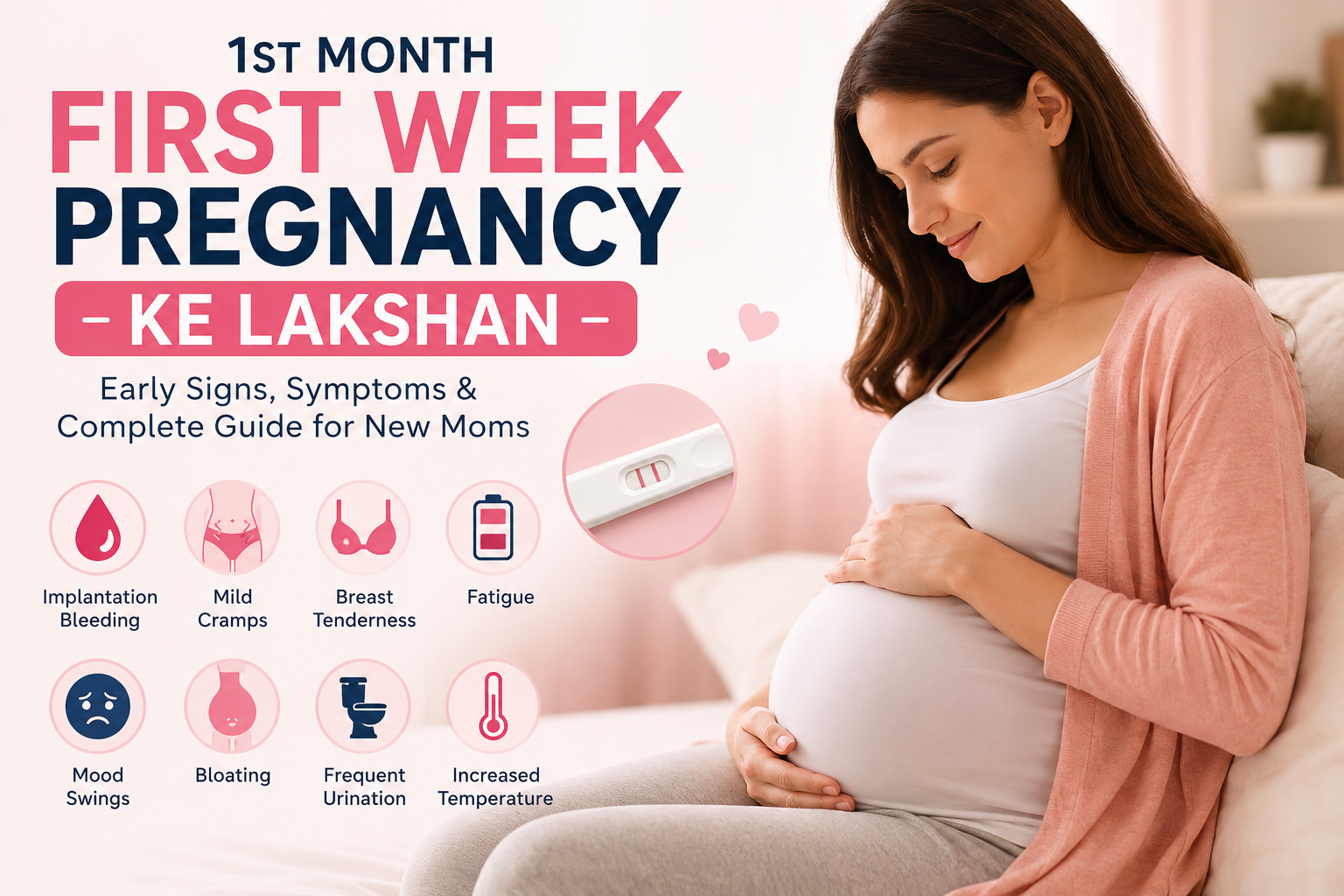
1st Month First Week Pregnancy Ke Lakshan
1st Month First Week Pregnancy Symptoms Discovering a pregnancy can be one of the most emotional and exciting moments in a woman’s life. Many women begin searching for 1st month, first week pregnancy ke lakshan as soon as they suspect they might be pregnant. The challenge is that during the very first week, symptoms are often subtle and can easily be mistaken for regular premenstrual changes. Some women notice changes immediately, while others may not experience any obvious symptoms until several weeks later.
Pregnancy begins with a series of remarkable biological events. After fertilization, the embryo starts its journey toward the uterus, where implantation occurs. During this time, the body begins producing hormones that prepare the uterus and support the growing embryo. These hormonal changes are responsible for many early pregnancy symptoms such as fatigue, breast tenderness, and mood fluctuations. According to medical experts, implantation generally occurs around 6–12 days after ovulation, and some women may experience mild symptoms during this stage. Research also shows that hormone levels such as hCG begin rising rapidly after implantation, helping pregnancy tests detect pregnancy. While symptoms alone cannot confirm pregnancy, understanding these early signs can help women recognize a possible pregnancy sooner.
Understanding the First Week of Pregnancy
The first week of pregnancy often creates confusion because doctors calculate pregnancy from the first day of the last menstrual period rather than the day of conception. This means that technically, many women are not actually pregnant during what is medically referred to as “week one.” However, when people search for first-week pregnancy symptoms, they are usually referring to the first week after conception or fertilization.
During this period, the fertilized egg begins dividing into multiple cells while traveling through the fallopian tube toward the uterus. Once implantation occurs, the body starts releasing pregnancy hormones that trigger various physical changes. Although many women do not notice symptoms immediately, others report feeling unusual tiredness, mild cramping, or breast sensitivity. Every pregnancy is unique, and symptom intensity varies greatly. Some women feel dramatic changes, while others have a completely symptom-free early pregnancy. Understanding these biological processes helps reduce anxiety and prevent unnecessary worry if symptoms are absent. Early pregnancy is a gradual process, and the body’s response can differ significantly from one person to another.
How Pregnancy is Calculated
Doctors use the first day of the last menstrual period to estimate pregnancy duration and due dates. This standardized method allows healthcare providers to monitor fetal development accurately throughout pregnancy. Although conception usually occurs about two weeks after the last period in a typical cycle, medical dating remains the global standard used by obstetricians and gynecologists.
What Happens After Conception
After fertilization, the embryo travels toward the uterus and eventually implants into the uterine lining. This implantation process marks the true beginning of pregnancy and triggers the release of hCG hormones that support fetal development. These hormonal shifts are responsible for many of the earliest pregnancy symptoms women experience.
Can Pregnancy Symptoms Start in the First Week?
One of the most common questions women ask is whether pregnancy symptoms can actually start during the first week. The answer is yes, but not for everyone. Some women are highly sensitive to hormonal changes and may notice subtle signs shortly after implantation. Others may not experience any noticeable symptoms until several weeks later.
The earliest signs usually result from hormonal changes rather than the baby’s physical growth. Hormones such as progesterone and hCG begin influencing the body almost immediately after implantation. These hormonal shifts can cause unusual tiredness, emotional changes, digestive disturbances, and breast tenderness. It is important to understand that experiencing no symptoms does not indicate a problem. Many healthy pregnancies begin without any noticeable early signs. Because early pregnancy symptoms closely resemble PMS symptoms, confirmation through a pregnancy test remains essential. Medical professionals recommend waiting until after a missed period for the most accurate test results.
Why Every Woman Experiences Different Symptoms
Genetics, hormone sensitivity, overall health, age, stress levels, and previous pregnancies all influence symptom patterns. This is why one woman may experience strong nausea and fatigue while another feels perfectly normal during the same stage of pregnancy.
Early Pregnancy Symptoms During the First Week
Light Spotting or Implantation Bleeding
One of the earliest and most commonly discussed signs is implantation bleeding. This occurs when the fertilized egg attaches itself to the uterine lining. Unlike a normal menstrual period, implantation bleeding is usually very light and may appear pink, light red, or brown in color. It often lasts only a few hours to a couple of days and is significantly lighter than menstrual bleeding.
Many women mistake implantation bleeding for an early period and never realize it could be an early pregnancy sign. Research suggests that only a portion of pregnant women experience implantation bleeding, meaning its absence does not indicate a problem. The bleeding typically occurs around the time a woman expects her period, making it easy to confuse with normal menstruation. Women who notice light spotting combined with other symptoms such as fatigue or breast tenderness may consider taking a pregnancy test after a missed period.
Mild Abdominal Cramping
Mild cramping is another early symptom that can appear during implantation. These cramps are generally lighter than menstrual cramps and may feel like pulling, tingling, or slight pressure in the lower abdomen. The sensation occurs because the embryo is embedding itself into the uterine lining.
Although mild cramping is considered normal, severe pain should never be ignored. Women experiencing intense abdominal pain, heavy bleeding, or dizziness should seek medical evaluation immediately. For most women, implantation cramps are temporary and disappear within a few days. Understanding the difference between normal implantation discomfort and concerning symptoms is important for ensuring a healthy pregnancy journey.
Breast Tenderness and Changes
Breast changes are often among the first noticeable pregnancy symptoms. Hormonal changes increase blood flow and prepare breast tissue for future milk production. Women may experience tenderness, swelling, tingling sensations, or increased sensitivity around the nipples.
Some women also notice that the areolas become darker and more prominent. These changes can occur even before a missed period and often continue throughout the first trimester. Because breast tenderness is also common before menstruation, it should not be considered a definitive sign of pregnancy on its own. When combined with other symptoms, however, it becomes a stronger indicator of possible pregnancy.
Extreme Fatigue
Feeling unusually tired is one of the most frequently reported early pregnancy symptoms. Rising progesterone levels can make women feel exhausted even after getting adequate sleep. Some women describe the fatigue as overwhelming and unlike normal tiredness.
The body is working hard behind the scenes to support embryo development, increase blood production, and prepare the uterus for pregnancy. These physiological changes require significant energy. Fatigue may appear very early and continue throughout the first trimester. Prioritizing rest, maintaining hydration, and consuming nutrient-rich foods can help manage early pregnancy exhaustion effectively.
Mood Swings
Hormonal fluctuations can create emotional ups and downs that seem to appear without warning. One moment, a woman may feel excited and energetic, while the next she may feel emotional or irritable. These mood changes are completely normal and are largely driven by rising pregnancy hormones.
Emotional sensitivity often increases during early pregnancy because the body is adapting to significant hormonal changes. Support from family members and open communication can help women manage these emotional fluctuations more comfortably. Regular exercise, adequate sleep, and stress reduction techniques can also contribute to emotional well-being during pregnancy.
Bloating and Digestive Changes
Many women experience bloating very early in pregnancy. Increased progesterone levels slow digestion, causing gas, bloating, and feelings of fullness. These symptoms can make clothing feel tighter even before any actual pregnancy weight gain occurs.
Digestive changes may also include constipation and mild stomach discomfort. Drinking plenty of water, consuming fiber-rich foods, and staying physically active can help reduce digestive symptoms. Although bloating can be uncomfortable, it is generally considered a normal response to hormonal changes during early pregnancy.
Frequent Urination
Some women notice increased urination earlier than expected. Hormonal changes increase blood flow to the kidneys, resulting in more frequent trips to the bathroom. While this symptom becomes more common later in pregnancy, some women experience it surprisingly early.
Increased Body Temperature
A slightly elevated basal body temperature that remains high for several days after ovulation can sometimes indicate pregnancy. This temperature increase results from sustained progesterone production and may be one of the earliest physiological clues of pregnancy.
Signs That Are Often Confused with PMS
PMS Symptoms: Early Pregnancy Symptoms
Mild cramps, implantation cramps
Breast soreness, breast tenderness, and swelling
Mood changes, Hormonal mood swings
Fatigue Persistent exhaustion
Bloating Hormonal digestive changes
Because the symptoms overlap significantly, distinguishing PMS from pregnancy can be challenging without testing. A missed period remains one of the strongest indicators of pregnancy. Women attempting to conceive should pay attention to symptom timing, severity, and duration.
When Should You Take a Pregnancy Test?
Taking a pregnancy test too early may result in a false negative because hCG levels may not yet be high enough for detection. Most healthcare providers recommend waiting until after a missed period for the most reliable results.
Home pregnancy tests work by detecting hCG in urine. Research indicates that hCG levels rise rapidly following implantation, often increasing significantly during the first week after detection. Testing after a missed period provides the best balance between accuracy and convenience. If the first test is negative but symptoms persist, repeating the test a few days later may provide a more accurate result.
What to Do During the First Month of Pregnancy
The first month of pregnancy is a crucial period for fetal development. Healthy habits established early can positively influence pregnancy outcomes. Women who suspect pregnancy should begin taking prenatal vitamins containing folic acid, which supports neural tube development and reduces the risk of congenital disabilities.
Nutrition plays an essential role during early pregnancy. A balanced diet rich in fruits, vegetables, lean proteins, whole grains, and healthy fats provides the nutrients needed for both mother and baby. Hydration is equally important because increased blood volume requires adequate fluid intake. Avoiding alcohol, smoking, and unnecessary medications is recommended unless specifically approved by a healthcare provider. Gentle exercise, stress management, and adequate sleep further support maternal health during this important developmental stage.
Nutrition Tips
- Take folic acid daily.
- Eat protein-rich foods.
- Stay hydrated.
- Include iron-rich foods.
- Limit processed foods and excess sugar.
Lifestyle Changes
- Avoid smoking and alcohol.
- Get adequate sleep.
- Stay physically active.
- Attend regular prenatal appointments.
- Follow medical advice consistently.
Why Regular Pregnancy Checkups Matter
Regular prenatal care allows healthcare professionals to monitor fetal growth, identify potential complications early, and guide mothers throughout pregnancy. Early checkups help establish accurate due dates, assess overall health, and ensure that both mother and baby receive appropriate care.
Prenatal visits also provide opportunities to discuss symptoms, nutritional needs, vaccination recommendations, and pregnancy-related concerns. Consistent medical supervision improves pregnancy outcomes and gives mothers confidence throughout their journey. Whether it is a first pregnancy or a subsequent one, professional guidance remains invaluable.
Why Choose Hospital Eternity for Pregnancy Care
For women looking for expert maternity and gynecology services, Hospital Eternity offers comprehensive pregnancy care, prenatal consultations, fertility support, women’s health services, and personalized maternity guidance. Experienced specialists focus on both maternal and fetal well-being, ensuring that every stage of pregnancy is carefully monitored.
From early pregnancy diagnosis to delivery planning, Hospital Eternity provides modern healthcare facilities and compassionate support for expecting mothers. Timely prenatal checkups, advanced diagnostic services, and patient-centered care make it a trusted choice for women seeking quality maternity care.
Conclusion
Recognizing 1st month, the first week of pregnancy‘s signs can help women identify a potential pregnancy earlier and prepare for the journey ahead. Common early signs include implantation bleeding, mild cramping, breast tenderness, fatigue, mood swings, bloating, and increased urination. Every woman experiences pregnancy differently so that symptoms may vary significantly from person to person. While these signs can provide clues, only a pregnancy test and medical confirmation can accurately determine pregnancy. Early prenatal care, healthy lifestyle choices, and professional medical guidance create the strongest foundation for a healthy pregnancy and a healthy baby
https://www.hospitaleternity.com/menopausal-problems-treatment-in-ghaziabad/
https://www.hospitaleternity.com/gynaecological-problems-treatment-in-ghaziabad/
https://www.hospitaleternity.com/caesarean-delivery-in-ghaziabad/
https://www.hospitaleternity.com/best-normal-delivery-in-ghaziabad/
.https://www.hospitaleternity.com/best-pregnancy-care-in-ghaziabad/