

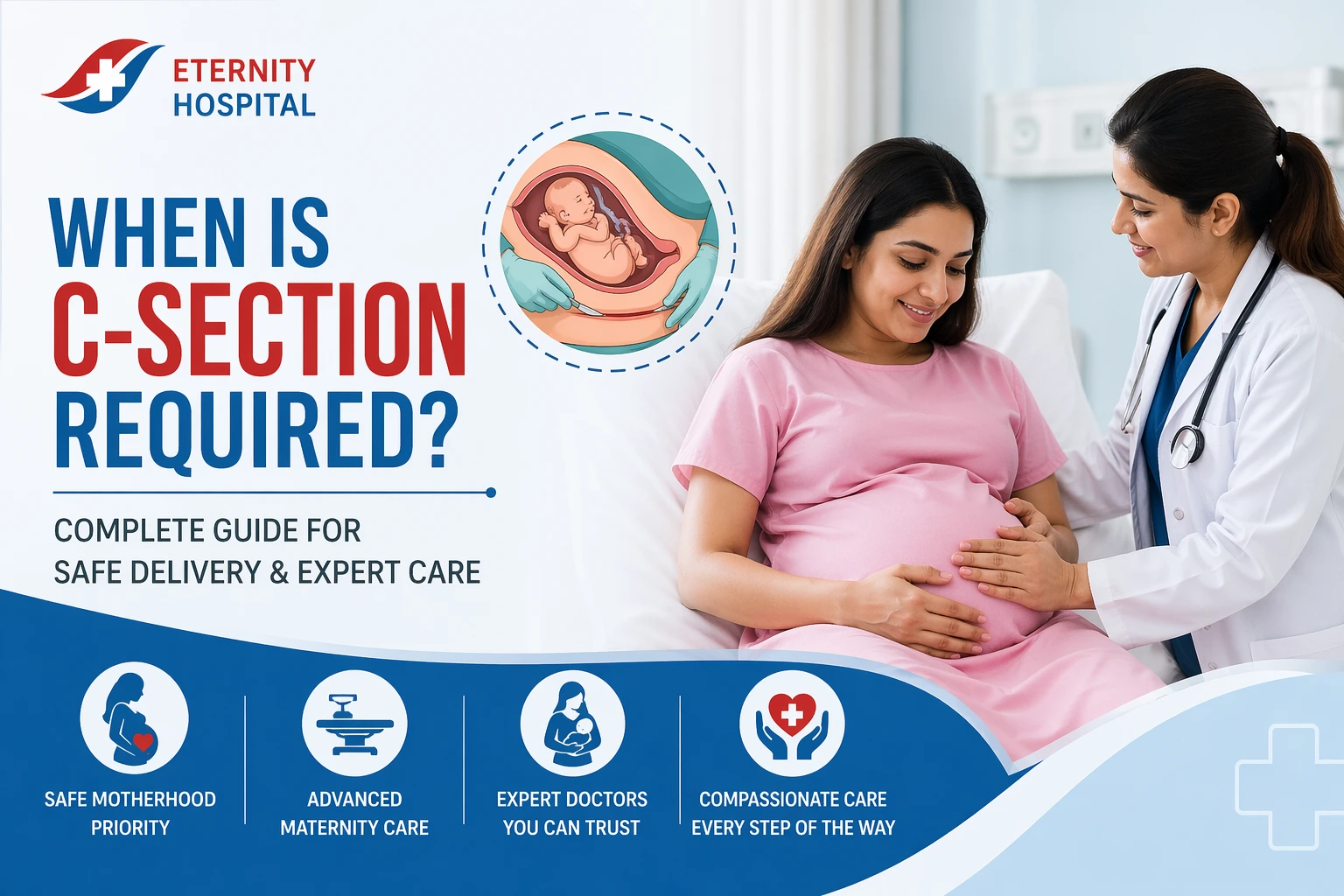
Understanding What a C-Section Is
When is a C-Section Required ? A C-section (Cesarean delivery) is a surgical procedure used to deliver a baby through incisions made in the abdomen and uterus. While many women plan for a natural vaginal delivery, certain situations arise where a C-section becomes the safest option for both the mother and the baby. It’s not just another medical procedure—it often acts as a life-saving intervention when complications develop during pregnancy or labor.
Globally, the number of C-sections has been increasing steadily over the years. According to recent global data, the rate has grown from 6% in 1990 to over 21% in recent years, and it is expected to reach nearly 30% by 2030. This rise reflects modern lifestyle changes, increasing maternal age, improved medical technology, and better diagnosis of pregnancy-related risks. In India, the trend is even more significant, with some regions reporting close to 50% of births happening through C-section deliveries, highlighting the growing reliance on this procedure for safer childbirth outcomes.
Difference Between Normal Delivery and C-Section
A normal delivery involves the baby passing through the birth canal, while a C-section is a surgical method. The difference isn’t just physical—it impacts recovery time, hospital stay, and future pregnancies. Vaginal delivery is usually quicker in recovery, but a C-section becomes necessary when risks outweigh benefits.
Why C-Sections Are Increasing Globally
Modern medicine has improved diagnostic tools, allowing doctors to identify risks earlier. Factors like delayed pregnancies, lifestyle diseases, and increased awareness also play a role. Sometimes, even patient preference contributes, though medical necessity remains the primary reason.
Medical Reasons for C-Section
A C-section is never the first choice unless medically required. Doctors carefully evaluate multiple factors before recommending it.
Maternal Health Conditions
Certain health issues in the mother can make vaginal delivery risky. Conditions like high blood pressure, gestational diabetes, or infections can complicate labor. For instance, severe preeclampsia can lead to life-threatening complications if not managed properly.
High Blood Pressure and Diabetes
These conditions can reduce oxygen supply to the baby or lead to complications during labor. A planned C-section often becomes the safest route in such cases, ensuring controlled delivery conditions.
Fetal Complications
Sometimes the baby itself shows signs that vaginal delivery might not be safe.
Fetal Distress Explained
One of the most common reasons for a C-section is fetal distress, where the baby isn’t getting enough oxygen. Studies show fetal distress accounts for around 24% of C-section cases. In such cases, immediate delivery is crucial to prevent complications.
Labor-Related Complications
Labor doesn’t always progress as expected. If the cervix doesn’t dilate or the baby doesn’t descend properly, doctors may recommend a C-section. This is known as failure to progress in labor and is a common indication.
Emergency vs Planned C-Section
Not all C-sections are sudden. Some are planned, while others happen in emergencies.
When an Emergency C-Section is Needed
Emergency C-sections occur when unexpected complications arise during labor. Examples include:
- Sudden drop in the baby’s heart rate
- Umbilical cord prolapse
- Heavy bleeding
In these situations, time is critical, and immediate surgical intervention can save lives.
When Doctors Recommend Planned C-Section
Planned or elective C-sections are scheduled in advance when risks are already known. This includes cases like previous uterine surgery or placenta previa. Planning allows better preparation and reduces emergency risks.
Common Situations Where a C-Section is Required
Previous C-Section
If a woman has had a previous C-section, doctors often recommend another one due to the risk of uterine rupture. In fact, previous uterine surgery accounts for over 50% of C-section cases in some studies.
Multiple Pregnancy
Carrying twins or triplets increases the complexity of delivery. While vaginal delivery is possible in some cases, a C-section is often safer, especially if babies are not positioned correctly.
Breech Position
If the baby is positioned feet-first instead of head-first, it’s called a breech position. Vaginal delivery becomes risky, making C-section the safer option.
Placenta Issues
Conditions like placenta previa (placenta covering the cervix) can cause severe bleeding during vaginal delivery. In such cases, a C-section is mandatory.
Risks and Benefits of C-Section
Benefits for Mother and Baby
A C-section can prevent complications like birth injuries, oxygen deprivation, and prolonged labor stress. It’s often the safest route in high-risk pregnancies, ensuring both mother and baby remain stable.
Potential Risks to Consider
Like any surgery, C-section carries risks such as infection, longer recovery time, and complications in future pregnancies. According to health experts, risks can extend for even years after the procedure.
AspectVaginal DeliveryC-Section
Recovery Time Faster Longer
Pain Level: Natural labor pain, Surgical pain
Risk Level Lower (if normal) Higher (surgery risks)
Hospital Stay Short Longer
Recovery After C-Section
Recovery from a C-section is different from a normal delivery. It usually takes around 4 to 6 weeks for complete healing. During this time, mothers need proper rest, nutrition, and medical care. Activities like lifting heavy objects or intense physical work should be avoided.
Pain management is also important. Doctors prescribe medications and suggest gentle movement to prevent complications like blood clots. Emotional recovery is equally important, as a surgical birth can be overwhelming for some mothers.
Choosing the Right Hospital for Delivery
The hospital you choose plays a crucial role in your delivery experience. A well-equipped facility with experienced doctors ensures safety, comfort, and proper postnatal care.
Look for hospitals that offer:
- Advanced maternity care
- Emergency support
- Experienced gynecologists
- Neonatal care units
Why Choose Hospital Eternity for Safe Delivery
If you are looking for expert maternity care, https://www.hospitaleternity.com/ stands out as a trusted choice. The hospital offers advanced facilities, experienced doctors, and personalized care for both normal and C-section deliveries.
What makes it reliable?
- Experienced obstetricians and surgeons
- Modern operation theatres
- Comprehensive prenatal and postnatal care
- Patient-focused approach
Choosing the right hospital ensures peace of mind during one of the most important moments of your life.
Cost of C-Section in India
The cost of a C-section in India varies depending on the hospital, city, and medical complexity. On average, it ranges between ₹50,000 to ₹2,00,000 or more. Private hospitals may charge higher due to advanced facilities and personalized care.
Factors affecting cost include:
- Doctor’s expertise
- Hospital infrastructure
- Room category
- Additional complications
Tips to Reduce the Chances of C-Section
While not all C-sections can be avoided, some lifestyle choices can reduce the risk:
- Maintain a healthy weight
- Attend regular prenatal check-ups
- Stay physically active (as advised by your doctor)
- Avoid unnecessary inductions
A healthy pregnancy increases the chances of a normal delivery.
Emotional & Mental Preparation for Delivery
Pregnancy isn’t just physical—it’s emotional too. Many women feel anxious about delivery, especially when facing the possibility of surgery. Understanding the process helps reduce fear.
Talk openly with your doctor, ask questions, and prepare mentally for all possibilities. Whether it’s a normal delivery or C-section, the ultimate goal is a healthy mother and baby.
Conclusion
A C-section is required when vaginal delivery poses risks to the mother or baby. From medical conditions to unexpected labor complications, there are many scenarios where this procedure becomes essential. While it may seem daunting, it’s a safe and often life-saving option when handled by experienced professionals.
Choosing the right healthcare provider, like Hospital Eternity, ensures you receive the best care, guidance, and support throughout your pregnancy journey. At the end of the day, the method of delivery matters less than the health and safety of both mother and child
https://www.hospitaleternity.com/best-pregnancy-care-in-ghaziabad/
https://www.hospitaleternity.com/best-normal-delivery-in-ghaziabad/
.https://www.hospitaleternity.com/caesarean-delivery-in-ghaziabad/