

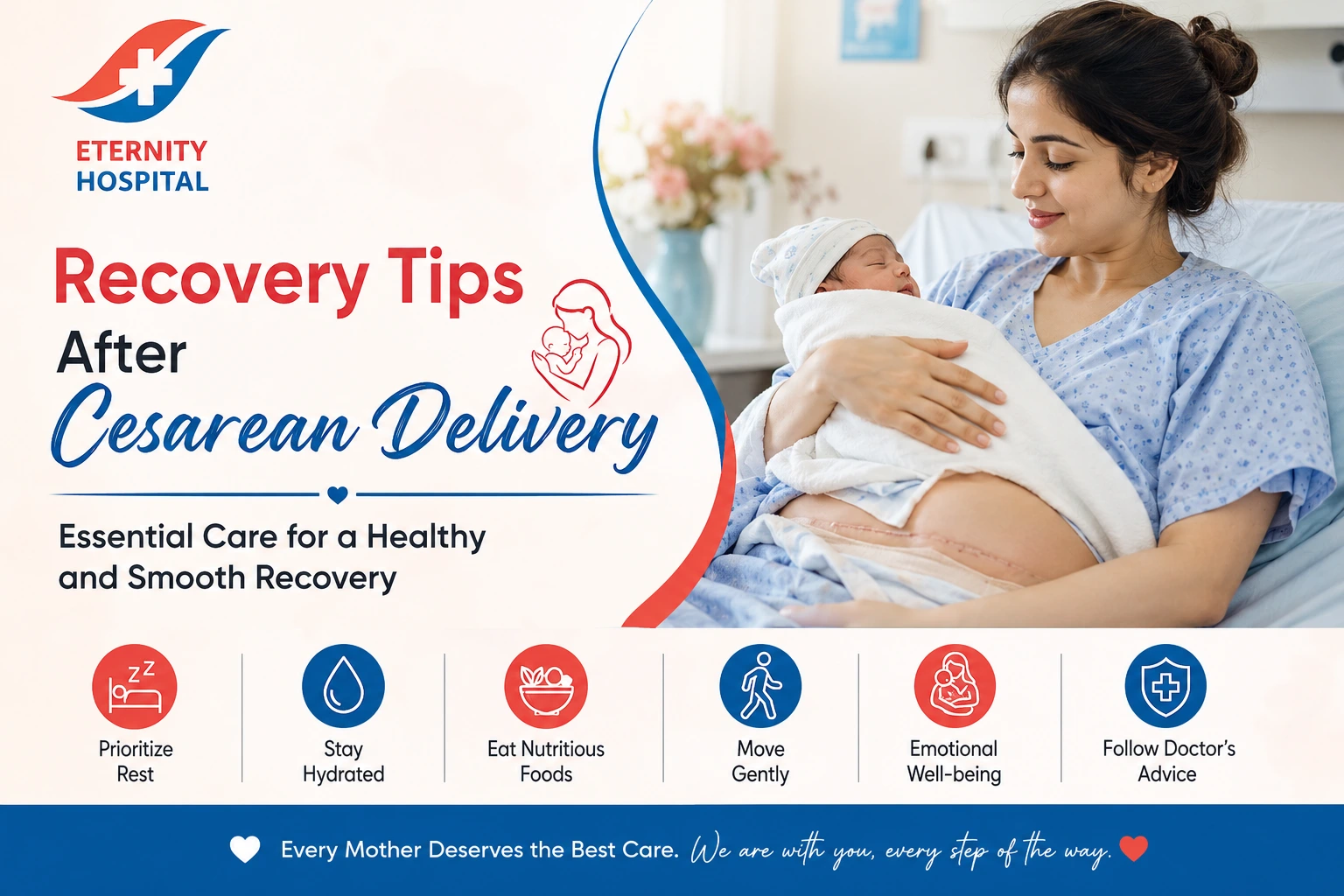
Understanding Cesarean Delivery Recovery
What Happens to Your Body After a C-Section
Recovery tips after cesarean delivery become crucial because a C-section is not just childbirth—it’s a major abdominal surgery. Your body undergoes multiple layers of healing, from the skin incision to the uterus. During the procedure, doctors carefully move muscles aside and make an incision in the uterus to deliver the baby, which means internal tissues need time to repair themselves.
After delivery, you may experience pain, fatigue, vaginal discharge, and emotional fluctuations. According to medical experts, it’s common to feel soreness and discomfort for several weeks, especially around the incision site. Your hormones also shift dramatically, which can affect your mood, sleep, and overall well-being.
Think of your body like a house undergoing renovation—you can’t rush the rebuilding process. Every layer needs time to settle, repair, and regain strength. Ignoring this can delay healing or even cause complications.
Average Healing Timeline
Most women take around 6 weeks to recover from a cesarean delivery, although full internal healing may take longer. In the first few days, you’ll likely stay in the hospital for monitoring. Within two weeks, basic movement becomes easier, but lifting heavy objects or strenuous activity is still restricted.
By weeks 3–6, energy levels improve, and pain reduces significantly. However, complete healing of the scar and internal tissues may take months. Understanding this timeline helps you set realistic expectations and prevents frustration during recovery.
First 48 Hours After Surgery
Hospital Stay and Immediate Care
The first two days after delivery are often the most challenging. You’ll be monitored closely for pain, bleeding, and signs of infection. Nurses assist with mobility, feeding your baby, and managing medications.
Doctors emphasize early movement—even small steps help prevent complications like blood clots. Though it may feel uncomfortable, this gentle activity is essential for recovery. Most women stay in the hospital for 2 to 4 days after a C-section.
Managing Pain and Mobility
Pain management is a top priority during this phase. Doctors usually prescribe medications such as ibuprofen or acetaminophen, which are safe during breastfeeding. Controlled pain allows you to move, rest, and care for your baby more comfortably.
Simple actions like sitting up, walking a few steps, or adjusting your posture may feel like a big task—but each movement strengthens your recovery journey. Think of it as slowly rebooting your body after a major reset.
Essential Recovery Tips After Cesarean Delivery
Prioritize Rest and Sleep
One of the most important recovery tips after cesarean delivery is simple: rest as much as possible. Your body is healing from surgery while also adjusting to motherhood, which can be exhausting.
Doctors recommend sleeping whenever your baby sleeps. Even short naps can significantly improve healing and energy levels. Don’t hesitate to ask family members for help with daily tasks.
Proper Wound Care
Keeping your incision clean and dry is essential. Watch for warning signs like redness, swelling, or discharge. These could indicate infection and require immediate medical attention.
Daily hygiene, gentle cleaning, and avoiding tight clothing can prevent irritation. Treat your incision like a delicate stitch in fabric—it needs protection to heal properly.
Gentle Movement and Walking
While rest is important, complete inactivity can slow recovery. Light walking improves blood circulation, reduces the risk of clots, and helps digestion.
Avoid lifting anything heavier than your baby for the first few weeks. Gradually increase activity based on your comfort level.
Pain Management Strategies
Managing pain effectively allows you to focus on recovery and bonding with your baby. Use prescribed medications and try supportive tools like pillows while sitting or feeding.
Ignoring pain can lead to unnecessary stress and slower healing. Always follow your doctor’s advice regarding medication and activity.
Diet and Nutrition for Faster Healing
Foods That Boost Recovery
Your diet plays a huge role in recovery. Focus on foods rich in:
- Protein (eggs, lentils, chicken)
- Iron (spinach, beetroot)
- Fiber (fruits, whole grains)
These nutrients help repair tissues, restore blood loss, and prevent constipation—a common issue after surgery.
Importance of Hydration
Staying hydrated supports digestion, milk production, and overall healing. Aim for at least 8–10 glasses of water daily. Hydration is like oil for a machine—it keeps everything running smoothly.
Emotional and Mental Health After C-Section
Baby Blues vs Postpartum Depression
Mood swings are common after delivery. Many women experience “baby blues,” which include anxiety, crying spells, and irritability. These usually resolve within two weeks.
However, persistent sadness or lack of interest in daily life may indicate postpartum depression. This requires medical attention and support.
When to Seek Help
If you feel overwhelmed, unable to care for your baby, or experience negative thoughts, seek professional help immediately. Mental health is just as important as physical recovery.
Breastfeeding After Cesarean Delivery
Comfortable Positions
Breastfeeding after a C-section can be challenging due to abdominal pain. Positions like the football hold or side-lying hold reduce pressure on the incision.
Common Challenges
You may face issues like delayed milk flow or discomfort while holding the baby. With proper guidance and support, these challenges can be managed effectively.
Do’s and Don’ts After C-Section
Activities to Avoid
- Heavy lifting
- Intense exercise
- Driving (initial weeks)
- Climbing stairs frequently
These activities can strain your incision and delay healing.
Safe Activities to Follow
- Light walking
- Gentle stretching (after doctor approval)
- Relaxation techniques
Balancing rest and activity is key to recovery.
Signs of Complications You Should Never Ignore
Watch for symptoms such as:
- Fever above 38°C
- Severe pain or swelling
- Heavy bleeding
- Pus or discharge from the incision
These may indicate infection or complications and require immediate medical attention.
Why Choosing the Right Hospital Matters
Your recovery journey doesn’t depend only on home care—it starts with the quality of medical support you receive. Choosing a trusted healthcare provider ensures proper surgical care, pain management, and postnatal guidance.
For expert maternity care and personalized recovery support, visit https://www.hospitaleternity.com/. A good hospital doesn’t just deliver your baby—it supports your entire recovery journey with professional care and compassion.
Conclusion
Recovering from a cesarean delivery is a gradual process that requires patience, care, and support. By following the right recovery tips after cesarean delivery, you can heal faster and reduce the risk of complications. Focus on rest, proper nutrition, gentle movement, and emotional well-being.
Every mother’s journey is unique, so listen to your body and consult your doctor whenever needed. With the right care and mindset, you’ll regain your strength and fully enjoy the beautiful experience of motherhood
https://www.hospitaleternity.com/gynaecological-problems-treatment-in-ghaziabad/.
https://www.hospitaleternity.com/best-pregnancy-care-in-ghaziabad/
https://www.hospitaleternity.com/best-normal-delivery-in-ghaziabad/
https://www.hospitaleternity.com/caesarean-delivery-in-ghaziabad/