

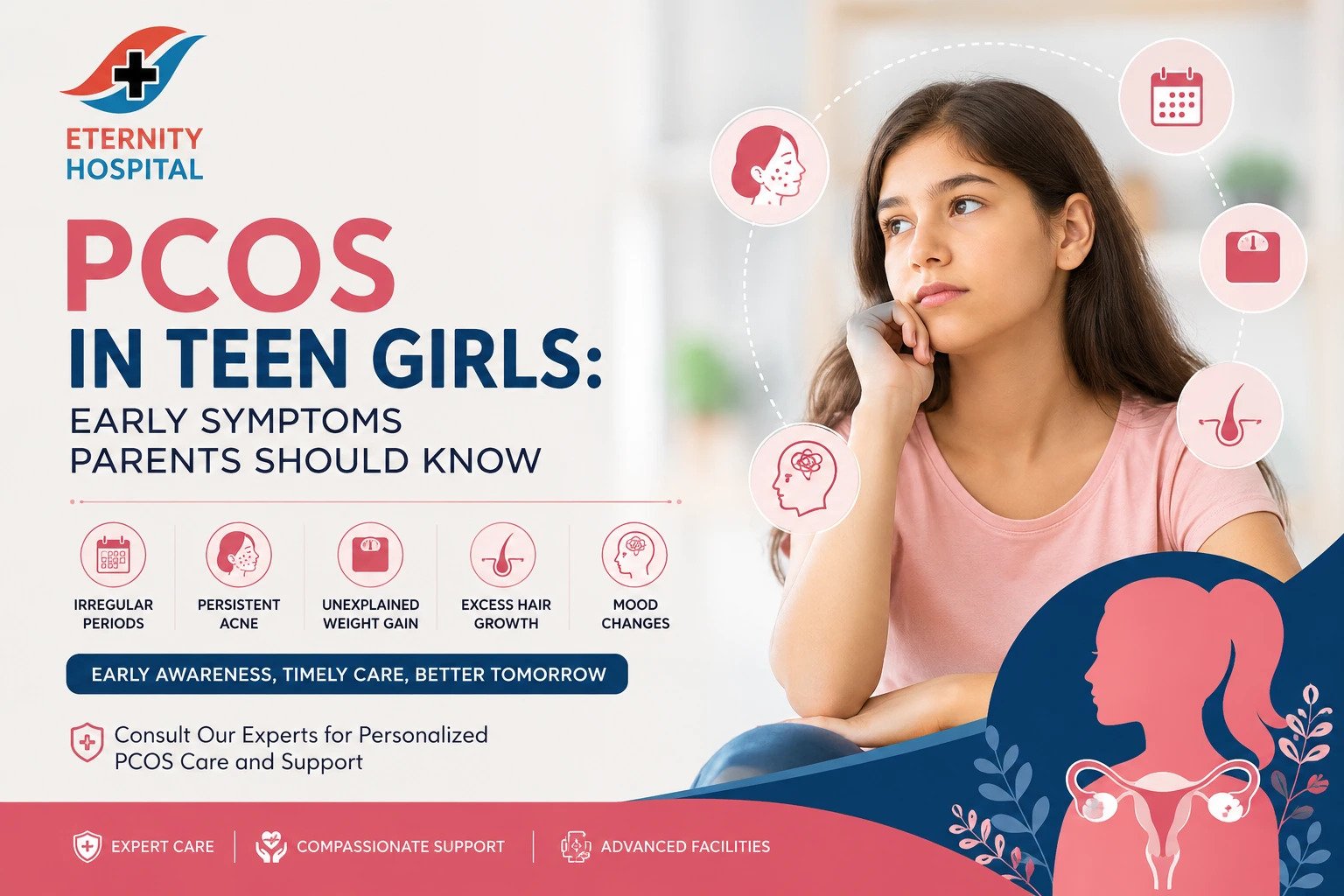
PCOS in Teen Girls: Early Symptoms Parents Should Know
Parenting a teenage daughter comes with many changes, from growth spurts and mood swings to the beginning of menstrual cycles. While many of these developments are a normal part of adolescence, some symptoms should not be ignored. One of the most common hormonal disorders affecting teenage girls today is Polycystic Ovary Syndrome (PCOS). Unfortunately, many parents mistake its early signs for ordinary teenage changes, allowing the condition to go undiagnosed for years.
PCOS is more than just an issue related to periods. It is a complex hormonal and metabolic disorder that can impact a girl’s reproductive health, emotional well-being, weight, skin, and long-term health. Research suggests that PCOS affects approximately 6% to 18% of adolescent girls globally, depending on the population studied. Some studies in India have reported prevalence rates approaching one in five adolescent girls, highlighting the growing importance of awareness among parents.
Early recognition can make a significant difference. Identifying symptoms during adolescence allows doctors to manage hormonal imbalances, reduce future complications, and improve quality of life. Understanding what to look for can help parents seek timely medical advice and ensure their daughters receive the support they need.
Understanding PCOS in Adolescence
What Is PCOS?
PCOS is a hormonal condition that affects how the ovaries function. In girls with PCOS, the body often produces higher-than-normal levels of androgens, commonly known as male hormones. These hormones are naturally present in females, but excessive amounts can disrupt ovulation and lead to a range of symptoms.
The condition is also closely linked to insulin resistance, a metabolic problem in which the body’s cells do not respond effectively to insulin. As a result, insulin levels rise, which can further increase androgen production and worsen symptoms. This creates a cycle that affects reproductive health, metabolism, and overall well-being.
Unlike what many people believe, PCOS is not just an adult condition. Medical experts now recognize adolescence as a critical period for identifying and managing PCOS. Recent international guidelines emphasize the importance of monitoring persistent menstrual irregularities and signs of androgen excess during teenage years.
Why PCOS Often Begins During Teenage Years
Puberty triggers major hormonal changes in a girl’s body. During this period, androgen levels naturally increase, and insulin sensitivity temporarily decreases. For girls who have a genetic predisposition to PCOS, these normal changes can act like a switch that activates symptoms.
Think of genetics as a loaded camera and puberty as the button that takes the picture. The condition may have existed as a possibility for years, but adolescence is often when symptoms become visible. This explains why many girls first experience irregular periods, severe acne, or unusual hair growth during their teenage years.
The challenge is that many symptoms of PCOS overlap with normal puberty. Irregular periods and acne are common among teenagers, making it difficult for parents to know when something is wrong. Understanding the difference between normal development and warning signs is crucial for early diagnosis.
How Common Is PCOS in Teen Girls?
Global and Indian Statistics
PCOS is one of the most common endocrine disorders among adolescent girls. According to international evidence-based guidelines, approximately 8% of adolescents may be affected by PCOS.
In India, the numbers can be even more concerning. A systematic review examining Indian adolescent girls found that the prevalence of PCOS was approximately 17.7%, meaning nearly one in five girls may be affected.
Recent research has also shown that over 27% of adolescents may fall into an “at-risk” category, displaying some symptoms associated with PCOS but not yet meeting full diagnostic criteria.
These figures highlight why awareness among parents, teachers, and healthcare providers is so important. The earlier symptoms are recognized, the sooner intervention can begin.
The Importance of Early Detection
Long-Term Health Risks of Ignoring Symptoms
Many parents focus primarily on the impact of PCOS on fertility, but the condition affects much more than reproductive health. When left unmanaged, PCOS can contribute to a wide range of long-term health problems.
Teenagers with PCOS are at increased risk of developing insulin resistance, obesity, type 2 diabetes, high cholesterol, and cardiovascular issues later in life. Studies have also shown a higher prevalence of metabolic syndrome among adolescents with PCOS.
The emotional impact can be equally significant. Girls struggling with unwanted facial hair, persistent acne, weight gain, or irregular periods often experience low self-confidence and social anxiety. These challenges can affect academic performance, friendships, and mental health during crucial developmental years.
Early diagnosis allows healthcare professionals to implement lifestyle changes and treatment strategies that can reduce these risks and improve long-term outcomes.
Early Symptoms of PCOS Parents Should Watch For
Irregular Menstrual Cycles
One of the earliest and most noticeable signs of PCOS is irregular periods. While some menstrual irregularity is normal during the first couple of years after menstruation begins, persistent irregularity should not be ignored.
Parents should pay attention if their daughter’s periods frequently occur more than 45 days apart, become absent for months at a time, or remain highly unpredictable years after menstruation starts. Consistent irregularity beyond the expected adjustment period may indicate an underlying hormonal imbalance.
Tracking menstrual cycles through a calendar or mobile application can help identify patterns that may warrant medical evaluation.
Excessive Facial and Body Hair
Excess androgen levels often cause excessive hair growth, known as hirsutism. This may appear on the upper lip, chin, chest, abdomen, or back.
Parents may notice their daughter becoming increasingly self-conscious about unwanted hair growth. What begins as a few dark hairs can gradually become more noticeable over time. This symptom is one of the strongest indicators of androgen excess and should prompt consultation with a healthcare professional.
Persistent Acne
Teenage acne is common, but PCOS-related acne tends to be more severe, persistent, and resistant to standard treatments.
Girls with PCOS often experience acne along the jawline, chin, and lower face. If multiple skincare products fail to improve the condition or acne continues well beyond the expected teenage years, hormonal causes should be investigated.
Unexplained Weight Gain
Many teenagers experience some weight fluctuations during growth and development. However, sudden or persistent weight gain, especially around the abdomen, may be associated with insulin resistance linked to PCOS.
Parents may notice that despite healthy eating and physical activity, their daughter struggles to maintain a healthy weight. This is not simply a matter of willpower. Hormonal imbalances can significantly influence metabolism and fat distribution.
Hair Thinning and Hair Loss
While excess body hair is common in PCOS, hair on the scalp may become thinner. This paradox occurs because elevated androgen levels affect different parts of the body differently.
Hair thinning at the crown of the head or increased hair shedding during brushing may indicate a hormonal imbalance. This symptom can be particularly distressing for teenage girls and deserves prompt medical attention.
Dark Patches on the Skin
Dark, velvety patches of skin, especially around the neck, underarms, or groin, can signal insulin resistance. This condition, known as acanthosis nigricans, is commonly associated with PCOS.
Parents often mistake these patches for poor hygiene, but they are actually a warning sign that the body may be struggling to regulate insulin effectively.
Emotional and Psychological Signs of PCOS
Anxiety, Low Self-Esteem, and Mood Changes
The emotional effects of PCOS are often overlooked. Teenage years are already challenging, and physical symptoms can significantly impact self-image.
Girls with PCOS may become withdrawn, avoid social situations, or express concerns about their appearance. Mood swings, anxiety, frustration, and reduced self-confidence are common experiences. Many teenagers report feeling different from their peers due to symptoms such as facial hair, acne, or weight gain.
Parents should approach these concerns with empathy and support rather than criticism. Open communication can help teenagers feel understood and encourage them to seek appropriate medical care.
Causes and Risk Factors
Genetics and Family History
PCOS often runs in families. If a mother, sister, aunt, or grandmother has been diagnosed with PCOS, a teenage girl may have an increased risk of developing the condition.
Genetics does not guarantee that a girl will develop PCOS, but it increases susceptibility. Understanding family medical history can help healthcare providers assess risk more effectively.
Insulin Resistance
Insulin resistance is considered one of the key drivers of PCOS. Elevated insulin levels stimulate the ovaries to produce more androgens, which contribute to many of the symptoms associated with the condition.
This connection explains why maintaining a healthy lifestyle plays such a significant role in managing PCOS. Even modest improvements in diet and physical activity can have meaningful benefits.
How PCOS Is Diagnosed in Teenagers
Medical Evaluation and Tests
Diagnosing PCOS in adolescents requires careful evaluation because many symptoms overlap with normal puberty. Healthcare providers typically review medical history, menstrual patterns, symptoms, and family history before ordering tests.
Diagnostic MethodPurpose
Physical Examination: Assess visible symptoms
Hormone Blood Tests Measure androgen levels
Blood Sugar Testing: Evaluate insulin resistance
Lipid Profile: Assess cholesterol levels
Thyroid Function Tests Rule out other conditions
Doctors follow specific adolescent guidelines to avoid overdiagnosis and ensure accurate assessment.
Treatment Options for Teen Girls
Lifestyle Modifications
Lifestyle changes are often the first step in managing PCOS. A balanced diet rich in whole grains, fruits, vegetables, lean proteins, and healthy fats can help regulate insulin levels.
Regular physical activity supports weight management, improves insulin sensitivity, and enhances overall health. These habits can significantly reduce symptoms and improve long-term outcomes.
Medical Management
Depending on individual needs, doctors may recommend medications to regulate menstrual cycles, manage acne, reduce excessive hair growth, or improve insulin sensitivity.
Treatment plans are highly personalized. The goal is not only symptom management but also prevention of future complications.
Why Parents Should Consult Specialists Early
Early consultation with a qualified gynecologist or endocrinologist can make a tremendous difference. Parents should seek professional advice if symptoms persist or interfere with daily life.
Delaying evaluation can allow symptoms to worsen and increase the risk of long-term metabolic complications. Early intervention provides an opportunity to develop healthy habits, monitor health risks, and support emotional well-being.
Why Choose Eternity Hospital for PCOS Care
When it comes to adolescent PCOS management, expert care is essential. Eternity Hospital offers comprehensive women’s healthcare services with a patient-centered approach.
The hospital provides specialized gynecological consultations, advanced diagnostic facilities, hormonal evaluations, and personalized treatment plans tailored to each patient’s unique needs. The experienced medical team focuses on early diagnosis, effective management, and long-term wellness, helping teenage girls navigate PCOS with confidence and proper support.
Parents looking for trusted guidance and compassionate care can rely on Eternity Hospital for comprehensive PCOS assessment and treatment.
Conclusion
PCOS is one of the most common hormonal disorders affecting teenage girls, yet many cases remain undiagnosed because its symptoms are often mistaken for normal puberty. Irregular periods, excessive hair growth, persistent acne, weight gain, hair thinning, and dark skin patches are among the most important warning signs parents should recognize.
Awareness is the first step toward prevention and effective management. Early diagnosis can reduce the risk of diabetes, cardiovascular disease, fertility challenges, and emotional distress later in life. By paying attention to subtle changes and seeking timely medical advice, parents can help their daughters achieve better health and confidence during adolescence and beyond.
https://www.hospitaleternity.com/cervical-cancer-screening-in-ghaziabad/
https://www.hospitaleternity.com/menopausal-problems-treatment-in-ghaziabad/
https://www.hospitaleternity.com/adolescent-issues-treatment-in-ghaziabad/
https://www.hospitaleternity.com/gynaecological-problems-treatment-in-ghaziabad/
https://www.hospitaleternity.com/best-medical-abortion-in-ghaziabad/
https://www.hospitaleternity.com/caesarean-delivery-in-ghaziabad/
https://www.hospitaleternity.com/best-pregnancy-care-in-ghaziabad/
https://www.hospitaleternity.com/best-pregnancy-care-in-ghaziabad/