

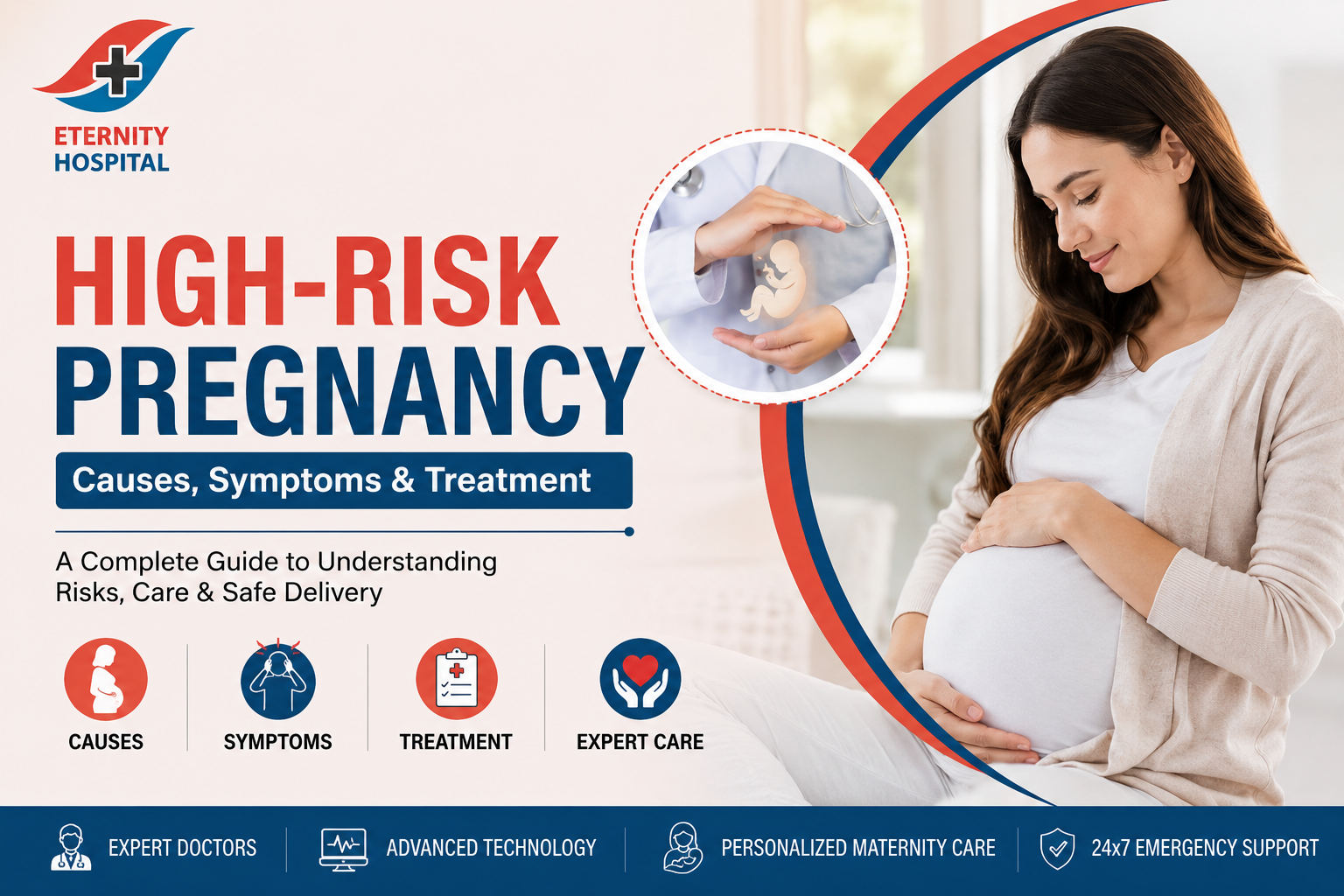
High-Risk Pregnancy: Causes, Symptoms & Treatment
High-Risk Pregnancy is a condition where the health of the mother, baby, or both faces increased chances of complications during pregnancy, labor, or delivery. While pregnancy is usually a beautiful and life-changing journey, certain medical conditions or pregnancy-related complications can make it more challenging and require specialized care. Many women hear the term “high-risk pregnancy” and instantly panic. However, the truth is that with early diagnosis, proper treatment, and expert monitoring, most high-risk pregnancies can still lead to healthy deliveries and healthy babies.
According to the World Health Organization, more than 700 women die every day worldwide due to preventable pregnancy and childbirth complications. Most of these complications can be managed with timely medical care and regular monitoring. This is exactly why awareness about High-Risk Pregnancy is extremely important. Understanding the causes, symptoms, risks, and treatment options can help expecting mothers take quick action before complications become severe.
At Hospital Eternity, experienced gynecologists and maternity specialists provide advanced care for women experiencing complicated pregnancies. From prenatal screening to emergency obstetric support, the hospital focuses on protecting both mother and baby throughout the pregnancy journey.
What Is a High-Risk Pregnancy?
A High-Risk Pregnancy refers to a pregnancy in which the mother or baby has a higher chance of developing health complications compared to a normal pregnancy. These complications may exist before pregnancy or may develop during pregnancy itself. Conditions like diabetes, hypertension, obesity, thyroid disorders, or carrying twins can increase pregnancy risks significantly. Sometimes, even age becomes a major factor. Women younger than 18 or older than 35 are often monitored more carefully because the chances of complications are higher.
Pregnancy is like driving on a highway. Most journeys are smooth, but certain conditions create dangerous curves or unexpected obstacles. In such situations, you need an experienced driver and a safer route. Similarly, high-risk pregnancies require expert supervision, advanced medical technology, and continuous monitoring to ensure safe delivery outcomes.
Doctors classify pregnancies as high-risk when they notice warning signs during prenatal checkups or medical tests. The goal is not to scare the patient but to prevent complications before they become dangerous. Modern maternity care has improved dramatically over the years, making it possible for women with high-risk pregnancies to deliver healthy babies successfully.
Why Some Pregnancies Need Extra Monitoring
Extra monitoring becomes necessary because complications can affect blood flow, fetal growth, maternal health, or labor progression. Conditions such as preeclampsia, gestational diabetes, placenta previa, or preterm labor require close medical observation. Doctors may recommend frequent ultrasounds, blood tests, fetal monitoring, and additional prenatal visits to track both maternal and fetal health.
How Doctors Classify Pregnancy Risks
Doctors evaluate several factors before classifying a pregnancy as high-risk. They examine the mother’s medical history, current health conditions, age, pregnancy history, lifestyle habits, and fetal development. If a woman has had previous miscarriages, cesarean deliveries, or premature births, she may require additional care during future pregnancies.
Major Causes of High-Risk Pregnancy
Several medical and lifestyle factors contribute to High-Risk Pregnancy. Some women already have existing health problems before conception, while others develop complications during pregnancy itself. Understanding these causes can help expecting mothers reduce risks early.
Maternal Age and Pregnancy Risks
Age is one of the biggest contributors to pregnancy complications. Women over 35 are at greater risk for gestational diabetes, hypertension, chromosomal abnormalities, and miscarriage. Women under 18 may also experience nutritional deficiencies, premature labor, or low birth-weight babies.
Studies show that advanced maternal age increases the risk of pregnancy-related complications significantly. Many women today delay pregnancy because of career goals or personal choices, making age-related pregnancy concerns more common than before.
Pre-Existing Medical Conditions
Women with chronic medical conditions require special care during pregnancy. Common conditions associated with high-risk pregnancies include:
Medical Condition: Possible Pregnancy Risk
Diabetes High birth weight and premature delivery
Hypertension Preeclampsia, placental issues
Thyroid Disorders: Developmental problems in a baby
Heart Disease: Reduced oxygen supply
Kidney Disease: Maternal Complications
Obesity, Gestational diabetes, C-section
These conditions need continuous medical supervision to avoid severe complications during pregnancy and childbirth.
Lifestyle-Related Risk Factors
Lifestyle choices also play a major role in pregnancy health. Smoking, alcohol consumption, drug use, poor diet, stress, and lack of sleep can affect fetal development. Obesity has become one of the fastest-growing causes of complicated pregnancies worldwide.
A mother’s body acts like the first home for the baby. If the environment is unhealthy, the baby’s growth can also be affected. Maintaining healthy habits during pregnancy dramatically improves maternal and fetal outcomes.
Multiple Pregnancies and Genetic Concerns
Pregnancies involving twins, triplets, or more babies naturally carry higher risks. Multiple pregnancies increase the chances of premature birth, anemia, high blood pressure, and delivery complications. Genetic abnormalities or inherited disorders can also make a pregnancy high-risk and require specialized prenatal testing.
Common Symptoms of High-Risk Pregnancy
Recognizing symptoms early can save lives. Many pregnancy complications begin with mild symptoms that women often ignore. Knowing the warning signs helps ensure timely treatment.
Warning Signs You Should Never Ignore
Some common symptoms of High-Risk Pregnancy include:
- Severe abdominal pain
- Heavy vaginal bleeding
- Persistent headaches
- Blurred vision
- Swelling in the hands or face
- Reduced fetal movement
- High fever
- Severe nausea or vomiting
These symptoms may indicate serious conditions like preeclampsia, placental abruption, or fetal distress.
Symptoms That Require Emergency Medical Care
Certain symptoms need immediate hospitalization because they may threaten the life of the mother or baby. Emergency symptoms include seizures, chest pain, breathing difficulty, severe bleeding, or sudden fluid leakage before term. Immediate medical intervention can prevent major complications and improve survival rates.
Complications Associated With High-Risk Pregnancy
High-risk pregnancies can affect both the mother and the baby in several ways. Complications may occur during pregnancy, labor, or even after delivery.
Risks for the Mother
Maternal complications may include:
- High blood pressure
- Severe bleeding
- Organ damage
- Gestational diabetes
- Emergency cesarean delivery
- Infections
- Preterm labor
The World Health Organization reports that severe bleeding, infections, and hypertension remain among the leading causes of maternal deaths globally.
Risks for the Baby
Babies born from high-risk pregnancies may face complications such as:
- Low birth weight
- Premature birth
- Breathing difficulties
- Growth restriction
- Congenital abnormalities
- Neonatal intensive care admission
Early diagnosis and medical support significantly reduce these risks.
Diagnosis and Medical Evaluation
Doctors use several advanced diagnostic tools to monitor high-risk pregnancies closely. These tests help identify complications before they become dangerous.
Important Tests During Pregnancy
Common diagnostic tests include:
- Blood pressure monitoring
- Blood sugar tests
- Urine analysis
- Fetal heart monitoring
- Genetic screening
- Doppler scans
These tests provide valuable information about the health of both mother and baby.
Role of Ultrasound and Prenatal Screening
Ultrasound scans help doctors examine fetal growth, placental position, and amniotic fluid levels. Prenatal screening identifies genetic abnormalities or developmental issues early. Early detection allows doctors to create customized treatment plans for safer pregnancy outcomes.
Treatment Options for High-Risk Pregnancy
Treatment depends on the underlying cause and severity of the condition. Every pregnancy is unique, which is why personalized care plans are essential.
Medication and Lifestyle Management
Doctors may prescribe medications to control blood pressure, diabetes, infections, or hormonal imbalances. Lifestyle changes also play a major role in managing high-risk pregnancies. Patients are usually advised to:
- Eat nutritious food
- Maintain a healthy weight
- Avoid smoking and alcohol
- Stay physically active
- Reduce stress
- Follow sleep schedules
Simple daily habits can greatly improve pregnancy outcomes.
Advanced Monitoring and Hospital Care
Women with severe complications may need frequent hospital visits or bed rest. Advanced fetal monitoring helps track oxygen supply, heartbeat patterns, and fetal movement. Specialized maternity hospitals provide emergency care facilities that are critical during complicated pregnancies.
At Hospital Eternity, experienced obstetricians use modern diagnostic technology and personalized maternity care plans to manage complicated pregnancies effectively. The hospital focuses on early diagnosis, maternal safety, and neonatal support to ensure better delivery outcomes.
Emergency Interventions and Delivery Planning
Sometimes doctors recommend induced labor or cesarean delivery if continuing the pregnancy becomes risky. Delivery planning is extremely important in high-risk pregnancies because emergencies can develop rapidly. Having a skilled medical team available 24/7 improves both maternal and newborn survival rates.
Tips to Manage a High-Risk Pregnancy Safely
Managing a high-risk pregnancy requires teamwork between the mother, family, and healthcare providers. Emotional support and consistent medical care make a huge difference.
Diet, Exercise, and Emotional Health
Healthy nutrition supports fetal growth and maternal health. Foods rich in iron, calcium, protein, and folic acid are especially important during pregnancy. Gentle exercise, such as walking or prenatal yoga, improves circulation and reduces stress levels.
Emotional health also matters. Anxiety and stress can negatively affect pregnancy outcomes. Many women benefit from counseling, meditation, family support, or pregnancy support groups during difficult pregnancies.
Importance of Regular Prenatal Visits
Prenatal appointments are not just routine formalities. They help doctors detect complications early and provide timely treatment. Missing appointments can delay diagnosis and increase risks. Women with high-risk pregnancies may need more frequent visits compared to normal pregnancies.
Why Choosing the Right Hospital Matters
The hospital you choose can directly impact pregnancy outcomes, especially in complicated cases. Specialized maternity hospitals provide advanced diagnostic tools, neonatal intensive care units, emergency obstetric services, and expert gynecologists trained in handling critical pregnancies.
Specialized Care at Hospital Eternity
Hospital Eternity offers advanced maternity and gynecology care for women dealing with High-Risk Pregnancy complications. The hospital provides personalized treatment plans, fetal monitoring services, emergency obstetric care, and experienced medical specialists focused on maternal and newborn safety.
Whether the pregnancy involves diabetes, hypertension, twins, or previous pregnancy complications, expert monitoring and modern medical support can make the journey much safer and more comfortable.
Conclusion
A High-Risk Pregnancy does not mean a healthy delivery is impossible. It simply means the pregnancy needs extra care, specialized monitoring, and timely treatment. Modern medicine has made it possible to manage even complex pregnancies successfully when complications are diagnosed early.
Understanding the causes, symptoms, and treatment options empowers women to make informed decisions about their health and their baby’s future. Regular prenatal checkups, healthy lifestyle habits, emotional support, and expert medical care remain the foundation of safe motherhood.
Choosing an experienced maternity center like Hospital Eternity can provide expecting mothers with the confidence, support, and advanced medical care needed throughout their pregnancy journey
https://www.hospitaleternity.com/gynaecological-problems-treatment-in-ghaziabad/
https://www.hospitaleternity.com/menopausal-problems-treatment-in-ghaziabad/
https://www.hospitaleternity.com/best-medical-abortion-in-ghaziabad/
https://www.hospitaleternity.com/caesarean-delivery-in-ghaziabad/
https://www.hospitaleternity.com/best-normal-delivery-in-ghaziabad/
https://www.hospitaleternity.com/best-pregnancy-care-in-ghaziabad/