

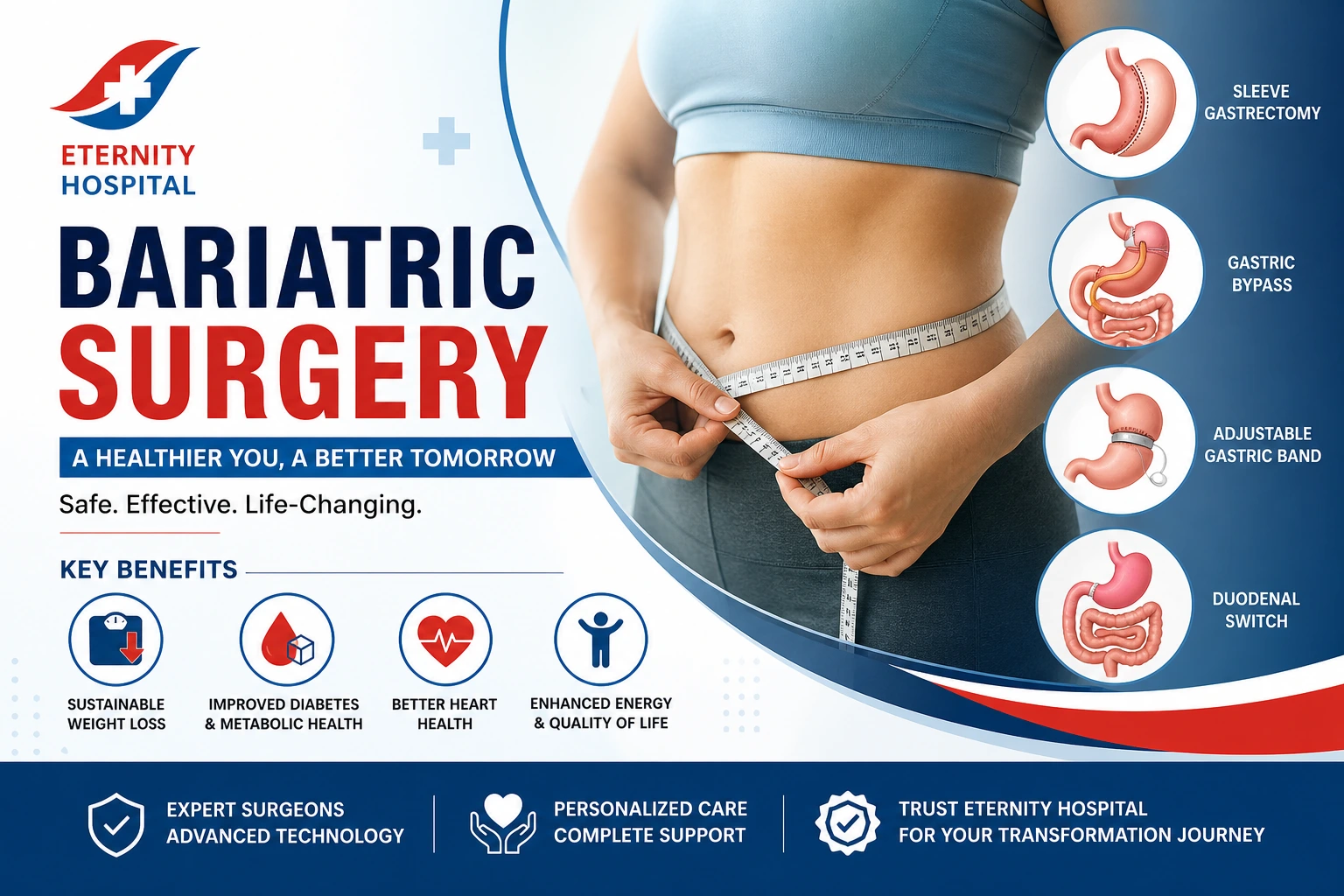
What is Bariatric Surgery?
Bariatric surgery is not just about looking slimmer—it’s about reclaiming your health and life. Often referred to as weight loss surgery, it involves surgical procedures that modify your digestive system to help you lose significant weight when diet and exercise alone are no longer effective. Imagine your body as a machine that has been overloaded for years; bariatric surgery works like a reset button, helping your metabolism function more efficiently and restoring balance. This transformative approach doesn’t just reduce body weight—it improves overall health, boosts energy levels, and enhances quality of life in ways that go far beyond physical appearance.
At its core, bariatric surgery works in two main ways: by restricting how much food your stomach can hold and by altering how your body absorbs nutrients. This dual approach creates a powerful impact, helping patients lose weight sustainably. Modern techniques are minimally invasive, often performed laparoscopically, meaning smaller cuts, faster recovery, and reduced pain.
What makes this surgery truly transformative is its effect on hormones. It doesn’t just shrink your stomach—it changes how your body regulates hunger, insulin, and metabolism. Many patients experience improvements in conditions like diabetes within days of surgery, even before significant weight loss begins. This is why doctors often call bariatric surgery a metabolic surgery, not just a cosmetic one.
Rising Obesity Crisis in India
India is currently facing a silent epidemic—obesity. Over the past three decades, obesity rates have tripled, with nearly one in four adults now overweight or obese. That’s not a small number—it represents millions of people struggling with serious health risks every day.
The problem goes far beyond appearance. Obesity is closely linked to chronic diseases like type 2 diabetes, hypertension, heart disease, and sleep apnea. In fact, abdominal obesity alone affects nearly one in three adults in India, making it a widespread public health concern. The modern lifestyle—sedentary jobs, processed foods, stress, and lack of physical activity—has created the perfect storm.
Here’s the reality: for many individuals, lifestyle changes alone are not enough. When obesity reaches a certain level, the body resists weight loss due to hormonal and metabolic changes. That’s where bariatric surgery becomes a medically recommended solution. It’s not a shortcut—it’s a scientifically proven intervention for a chronic disease.
Types of Bariatric Surgery
Sleeve Gastrectomy
Procedure & Outcomes
Sleeve gastrectomy is one of the most commonly performed bariatric procedures today. In this surgery, about 70–80% of the stomach is removed, leaving behind a tube-shaped “sleeve.” This significantly reduces how much food you can eat and lowers the hunger hormone ghrelin.
Patients typically lose 60–70% of excess weight within the first year. The simplicity and effectiveness of this procedure make it a popular choice. It doesn’t involve rerouting the intestines, which reduces the risk of complications compared to more complex surgeries.
What’s fascinating is how quickly patients feel the difference. Smaller portions become satisfying, cravings reduce, and energy levels improve. It’s like your body finally aligns with your goals instead of fighting against them.
Gastric Bypass (Roux-en-Y)
Mechanism & Benefits
Gastric bypass is considered the gold standard for treating severe obesity and related metabolic conditions. In this procedure, a small pouch is created from the stomach and directly connected to the small intestine, bypassing a large portion of the digestive system.
This means you eat less and absorb fewer calories. The results are powerful—patients often lose 65–77% of excess weight and experience diabetes remission rates up to 80–98%.
Think of it as taking a shortcut in your digestive system. Food skips the longer route, leading to reduced calorie absorption and improved insulin sensitivity. For patients struggling with diabetes, this surgery can be life-changing.
Adjustable Gastric Band
Pros & Limitations
The adjustable gastric band involves placing a silicone band around the upper part of the stomach, creating a small pouch. It’s less invasive and reversible, which makes it appealing to some patients.
However, its popularity has declined because weight loss results are generally lower, around 40–50% of excess weight loss. It also requires regular adjustments and has a higher chance of reoperation.
While it may sound like an easy fix, it demands strict discipline and frequent follow-ups, making it less convenient in the long run.
Biliopancreatic Diversion (Duodenal Switch)
Who Should Consider It
This is one of the most complex but effective bariatric procedures. It combines stomach reduction with significant intestinal bypass, leading to maximum weight loss.
Patients can lose up to 70–80% of excess weight, and diabetes remission rates can reach up to 95%. However, the trade-off is a higher risk of nutritional deficiencies and complications.
This surgery is usually recommended for individuals with very high BMI (above 50) or severe metabolic conditions.
Comparison of Bariatric Surgery Types
Procedure Weight Loss (1 Year)Diabetes Remission Complexity Risk Level
Sleeve Gastrectomy 60–70% Moderate Medium Low
Gastric Bypass 65–77% High High Moderate
Gastric Band 40–50% Low Low Moderate
Duodenal Switch 70–80% Very High Very High High
Benefits of Bariatric Surgery
Weight Loss Results
Bariatric surgery delivers something that most diets fail to achieve—sustained weight loss. Studies show that patients can lose 50–70% of excess body weight within the first year, with long-term maintenance in most cases. This isn’t temporary—it’s life-changing.
Diabetes & Metabolic Improvements
One of the biggest breakthroughs is its impact on diabetes. Many patients experience remission of type 2 diabetes, sometimes within days after surgery. Blood pressure, cholesterol levels, and heart health also improve significantly.
Psychological & Lifestyle Benefits
Weight loss is just the beginning. Patients often report:
- Increased confidence
- Better mobility
- Improved mental health
- Higher energy levels
Life becomes more active, social, and fulfilling.
Risks & Complications
Short-Term Risks
Like any surgery, bariatric procedures carry risks such as:
- Infection
- Bleeding
- Blood clots
- Anesthesia complications
However, modern techniques have made these risks relatively low.
Long-Term Complications
Long-term risks may include:
- Nutritional deficiencies
- Dumping syndrome
- Gallstones
- Acid reflux
Proper follow-up and lifestyle changes can minimize these risks significantly.
Who is Eligible for Bariatric Surgery?
Doctors typically recommend bariatric surgery for individuals with:
- BMI above 35 with health conditions
- BMI above 40, regardless of conditions
- Failed weight loss through diet and exercise
It’s not a quick fix—it’s a medical decision made after thorough evaluation.
Preparation Before Surgery
Preparation involves more than just medical tests. Patients undergo:
- Nutritional counseling
- Psychological evaluation
- Lifestyle changes
This ensures long-term success, not just short-term weight loss.
Recovery & Post-Surgery Lifestyle
Recovery is faster than most people expect. Patients often return to normal activities within 1–2 weeks. However, long-term success depends on:
- Healthy eating habits
- Regular exercise
- Vitamin supplementation
Think of surgery as a tool—your lifestyle determines the results.
Cost of Bariatric Surgery in India
In India, bariatric surgery typically costs between ₹3 lakh and ₹6 lakh, depending on the hospital and procedure. Compared to global standards, this is highly affordable while maintaining high-quality care.
Why Choose Hospital Eternity for Bariatric Surgery
If you’re considering bariatric surgery, choosing the right hospital is just as important as the procedure itself. https://www.hospitaleternity.com/ offers advanced bariatric care with a patient-centric approach.
Here’s what sets it apart:
- Experienced bariatric surgeons
- Advanced laparoscopic & robotic techniques
- Comprehensive pre- and post-surgery care
- Personalized treatment plans
The focus isn’t just on surgery—it’s on long-term transformation and health.
Conclusion
Bariatric surgery is not about taking the easy way out—it’s about taking the right step toward a healthier life. With rising obesity rates and related health risks, it has become one of the most effective medical solutions available today. From significant weight loss to diabetes remission and improved quality of life, the benefits are undeniable.
Yes, there are risks—but with modern advancements and proper care, they are manageable and often outweighed by the long-term health gains. The key lies in choosing the right procedure, the right surgeon, and committing to lifestyle changes.
https://www.hospitaleternity.com/best-liposuction-surgery-in-ghaziabad/
https://www.hospitaleternity.com/best-tummy-tuck-surgery-in-ghaziabad/
https://www.hospitaleternity.com/body-lift-surgery-in-ghaziabad/