

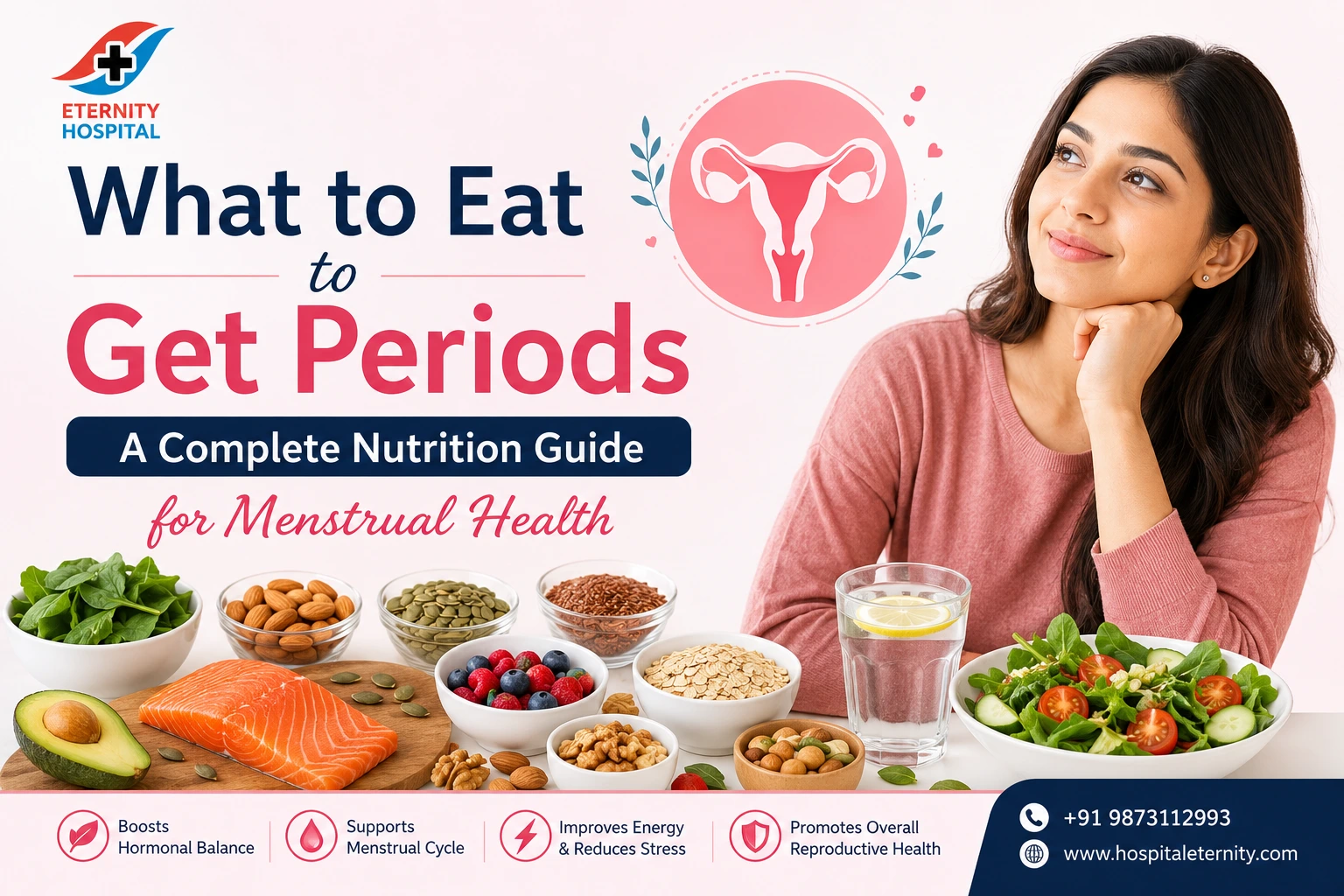
Staring at a calendar and counting the days since your last period is a special kind of stressful, isn’t it? Maybe you’ve got a trip planned, a big event coming up, or you’re just tired of the uncertainty. Whatever the reason, if you’ve landed here searching for what to eat to get periods, you’re definitely not alone — this is one of the most searched menstrual health questions online. The good news is that food genuinely can play a supporting role in helping your cycle find its rhythm again, even though it’s rarely a magic switch you can flip overnight.
Before we get into the specifics, it helps to understand that your menstrual cycle is basically a conversation between your brain, your hormones, and your body’s energy reserves. When any part of that conversation gets disrupted — by stress, poor sleep, undereating, or overtraining — your body can hit pause on ovulation as a kind of self-protective measure. Food won’t override every cause of a delayed period, but it can absolutely help correct the nutritional gaps that are often part of the problem. Think of it less like a quick fix and more like giving your body the raw materials it needs to do its job properly.
Why Your Period Might Be Late in the First Place
Common Lifestyle Triggers
Before reaching for papaya or ginger tea, it’s worth asking why your period is late to begin with, because the answer changes what actually helps. Sudden weight changes, whether from crash dieting or rapid weight gain, can throw your hormonal signaling off balance almost immediately. Intense exercise routines, the kind marathon runners or competitive athletes often follow, can also suppress ovulation because your body interprets the calorie deficit as a signal that it isn’t safe to reproduce right now. Emotional stress deserves a mention too, since cortisol and reproductive hormones share some of the same regulatory pathways in your brain, meaning a stressful few weeks at work can genuinely nudge your period later than usual.
Beyond lifestyle factors, things like weight loss, obesity, excessive workouts, poor nutrition, thyroid disorders, breastfeeding, perimenopause, and hormonal contraceptives can all affect menstrual timing. Traveling across time zones, switching up your sleep schedule, or even just going through a particularly demanding semester at school can also be enough to push your cycle a few days later than expected. None of this means something is seriously wrong, but it does mean your body is picking up on signals from your environment and adjusting accordingly. That’s actually a sign your reproductive system is working as intended, protecting you from a pregnancy your body doesn’t feel ready for, rather than malfunctioning. Eternity Hospital
When It’s Actually a Medical Concern
Medical conditions such as PCOS are among the most common reasons for persistent irregular periods in reproductive-age women, and many women experience occasional irregular cycles without any serious health problems. That said, there’s a line between “my period is a few days late” and “something needs medical attention,” and it’s important not to blur the two. If your period is more than 90 days late, becomes unusually heavy, or is associated with severe pain, medical evaluation is recommended, since ignoring repeated menstrual irregularities may delay the diagnosis of hormonal disorders that can affect fertility and long-term health. We’ll come back to this later in the article, but keep it in mind as you read through the food suggestions — diet is a support tool, not a replacement for a doctor’s opinion when something feels genuinely off. Eternity HospitalEternity Hospital
Can Food Really Bring On Your Period?
The Science vs. The Folklore
Here’s where I want to be honest with you rather than just feeding you a list of trendy foods. A lot of the foods traditionally associated with “bringing on” a period come from folk medicine and generations of anecdotal use, not from large randomized clinical trials. Take papaya, for example — although there is no strong clinical evidence proving that papaya induces menstruation, it remains a nutritious fruit rich in vitamin A, vitamin C, fiber, and antioxidants that contribute to overall reproductive health. That doesn’t mean these foods are useless; it just means we should think of them as supportive rather than guaranteed. Eternity Hospital
What does have firmer backing is the connection between overall nutritional status and menstrual regularity. A nutrient-rich diet provides the body with the building blocks needed for hormonal balance, ovulation, and uterine health, and deficiencies in vitamins like B6, D, or iron can lead to menstrual irregularities or delayed periods. So rather than obsessing over one “magic” food, the smarter approach is filling in the nutritional gaps that might be quietly holding your cycle back. That’s really the throughline of this entire article — specific ingredients can help, but they work best as part of a genuinely well-rounded diet rather than a one-time remedy you try the night before an important event. Medium
Top Foods That May Help Support a Regular Cycle
Papaya and Pineapple
Papaya is probably the single most talked-about food when people search for period-inducing remedies, and there’s a reason it keeps coming up across cultures. It’s believed to increase body heat and support uterine contractions, which may help trigger menstruation, making it the most commonly recommended fruit for women trying to get their periods early. Pineapple gets similar attention thanks to bromelain, an enzyme thought to have a mild softening effect on the uterine lining. Neither fruit is going to work like a switch, but eating them regularly as part of a fruit-forward diet certainly won’t hurt, and you get the added bonus of fiber, vitamin C, and antioxidants along the way. HEALTHIANS
Ginger and Turmeric
If your kitchen has a spice rack, chances are you already own two of the most recommended period-support ingredients. Ginger is widely used in Traditional Chinese Medicine to improve blood circulation and stimulate menstruation, and a warm cup of ginger tea is honestly one of the most soothing things you can sip on during an uncertain cycle anyway. Turmeric works alongside it in a similar way — it’s believed to affect estrogen and progesterone levels, although there is still limited scientific research to support this claim, and you can easily work it into curries, rice dishes, or a warm turmeric milk in the evening. These two spices are inexpensive, easy to find, and low-risk additions to almost anyone’s diet. Ayoub’s Dried Fruits & NutsVinmec
Sesame Seeds and Jaggery
Sesame seeds are rich in calcium, magnesium, iron, zinc, and healthy fats, which is basically a greatest-hits list of the minerals your hormonal system relies on. In many South Asian households, sesame seeds are traditionally paired with jaggery, an unrefined sugar believed to generate body heat and support blood flow. A small handful of toasted sesame seeds sprinkled over a salad, or blended into a homemade energy ball with jaggery, is an easy way to work this combination into your week without it feeling like a chore. Eternity Hospital
Dates and Dried Fruits
Dates have earned a devoted following among people trying to nudge their cycle along, and there’s actually a fairly specific tradition behind how they’re used. There isn’t a medically prescribed number, but traditionally, eating a handful of dates — about five to six pieces, around 100 grams — daily is believed to help improve blood circulation and increase body heat, which may support the onset of menstruation. Dried apricots, figs, and raisins offer a similar dense package of natural sugars, iron, and fiber, making them a genuinely satisfying snack rather than an empty-calorie treat. Keep a small container of mixed dried fruit at your desk, and you’ve got an easy, portable way to work this into your routine without any special preparation. MedicineNet
Iron-Rich Foods
If you take away just one category from this whole list, make it iron. Consuming spinach, lentils, beans, chickpeas, lean meat, eggs, and leafy vegetables helps replenish iron stores and supports healthy menstrual cycles, while also improving energy levels and reducing fatigue during menstruation. Low iron doesn’t just make you tired; it can genuinely interfere with the hormonal signaling your body needs for a predictable cycle, which is why so many nutrition-focused approaches to period regularity circle back to iron sooner or later. Pair plant-based iron sources with a source of vitamin C, like citrus or bell peppers, since that combination helps your body absorb the iron more efficiently. Eternity Hospital
Nutrients Your Cycle Depends On
Magnesium, Zinc, and Vitamin B6
Zooming out from individual foods for a second, it’s worth understanding the nutrients doing the heavy lifting behind the scenes. To regulate your menstrual cycle, focus on a balanced diet rich in essential nutrients such as magnesium, vitamin B6, vitamin D, zinc, and omega-3 fatty acids, which can be found in foods like spinach, nuts, oily fish, bananas, and various fruits. Magnesium in particular tends to fly under the radar, but it plays a quiet, essential role in regulating the stress hormones that can otherwise delay ovulation. Think of these nutrients as the stagehands of a theater production — you don’t see them during the show, but nothing happens without them. MedicineNet
Healthy Fats and Omega-3s
Your body actually needs a certain amount of dietary fat to produce reproductive hormones in the first place, which is one reason very low-fat diets are sometimes linked to irregular cycles. Incorporating omega-3s, found in salmon, flaxseeds, and walnuts, helps support hormone balance, and these same fats double as anti-inflammatory allies that may ease cramping once your period does arrive. If you’ve been avoiding fats out of habit or an old diet mentality, your cycle might genuinely be one of the things quietly paying the price. Medium
Foods and Habits That Might Be Working Against You
Just as some foods support a healthy cycle, others can work against it, and it’s worth knowing what’s on that list too. Excess salt can cause bloating and water retention, while refined sugar spikes insulin levels in a way that may disrupt hormones over time if it becomes a daily habit rather than an occasional treat. On the lifestyle side, crash diets and sudden calorie restriction can halt ovulation and delay periods, which is exactly the opposite of what you’re going for if you’re trying to get your cycle back on track. It’s a helpful reminder that “eating less” is almost never the answer here — your body needs enough fuel, not less of it, to feel safe enough to menstruate on schedule. Ayoub’s Dried Fruits & NutsMedium
| Food/Nutrient Category | Examples | Believed Benefit |
|---|---|---|
| Fruits | Papaya, pineapple, dates | May support uterine activity and blood flow |
| Spices | Ginger, turmeric, cinnamon | Traditionally used to ease circulation and hormonal balance |
| Iron sources | Spinach, lentils, lean meat, eggs | Replenishes iron lost during menstruation |
| Healthy fats | Salmon, flaxseeds, walnuts | Supports hormone production |
| Minerals | Sesame seeds, nuts, jaggery | Provides magnesium, zinc, and calcium |
| Foods to limit | Excess salt, refined sugar, alcohol | May worsen bloating and hormonal disruption |
Lifestyle Habits That Pair Well With a Period-Friendly Diet
Food is powerful, but it works even better when it’s paired with a few supporting habits rather than treated as a standalone fix. Certain yoga poses may improve blood flow to the pelvis and encourage menstruation, with child’s pose, cat-cow stretch, and seated forward bends being popular choices among people trying this approach. A warm compress on your lower abdomen can relax tense muscles in the same way it soothes period cramps once they arrive, and it costs nothing but ten quiet minutes on the couch. Managing stress matters just as much as anything on your plate, since your hormonal system genuinely doesn’t distinguish between “stressed about a deadline” and “stressed about survival” — it just responds with the same protective delay either way. Try building in small pockets of downtime, whether that’s a short walk, a few pages of a book, or simply going to bed twenty minutes earlier, and give your diet changes a few weeks to actually show up in your cycle rather than expecting overnight results. Ayoub’s Dried Fruits & Nuts
When to See a Doctor Instead of Waiting on Food
I want to be straightforward with you here, because I think it matters more than any food list. If your period is more than two weeks late or you experience symptoms like severe pain or unusual discharge, it’s time to see a doctor, who can rule out conditions like endometriosis, PCOS, or thyroid disorders and guide you toward appropriate treatment. Diet is a genuinely useful, low-risk tool for supporting a healthy cycle, but it isn’t a substitute for a proper diagnosis when something more significant is going on. If your periods have been irregular for several months in a row, or you’re also noticing symptoms like unexplained weight changes, excessive hair growth, or persistent fatigue, a gynecologist can run the right tests to figure out what’s actually happening. For readers looking for a more detailed clinical breakdown of menstrual nutrition, Hospital Eternity’s guide on foods that support menstrual health is a useful resource written from a gynecological perspective. Ayoub’s Dried Fruits & Nuts
Conclusion
There’s no single food that acts like a light switch for your period, and honestly, anyone promising that is oversimplifying how your body actually works. What genuinely helps is treating your plate as a long-term investment in hormonal balance — iron-rich vegetables, healthy fats, warming spices like ginger and turmeric, and naturally sweet staples like dates all play a supporting role in keeping your cycle predictable. Pair that with stress management, reasonable exercise, and enough overall calories, and you’re giving your body exactly what it needs to do its job without being forced into it. And if weeks turn into months without your period showing up, that’s your cue to loop in a doctor rather than continuing to experiment with your grocery list alone
https://www.hospitaleternity.com/menopausal-problems-treatment-in-ghaziabad/
.https://www.hospitaleternity.com/gynaecological-problems-treatment-in-ghaziabad/