

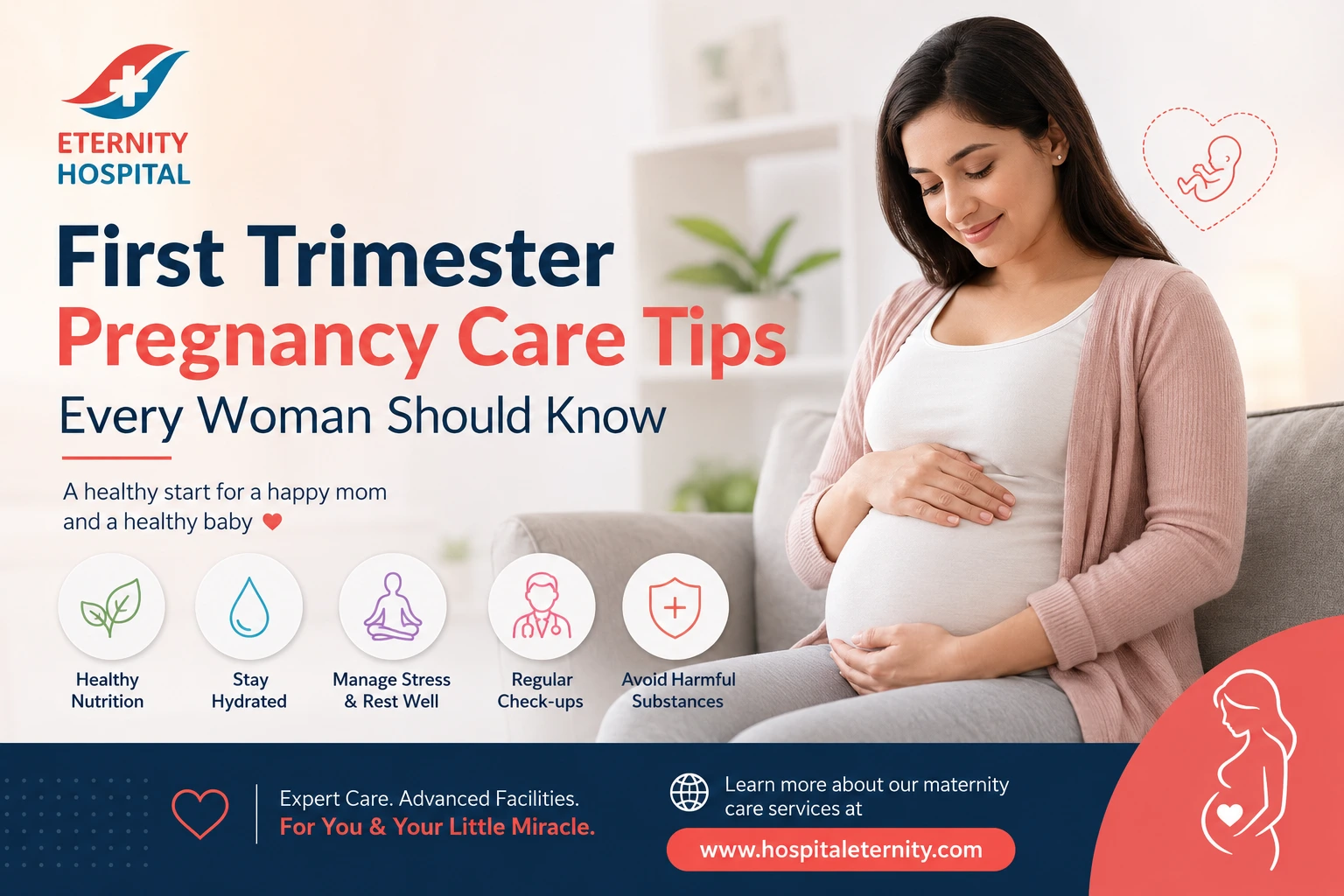
Understanding the First Trimester
First Trimester Pregnancy Care Tips is one of the most exciting journeys a woman can experience, and the first trimester sets the foundation for the months ahead. The first trimester spans from week 1 to week 12 of pregnancy and is considered one of the most critical stages for both mother and baby. During this period, your baby’s organs, brain, spinal cord, and heart begin to develop rapidly. Even though your baby may be tiny, enormous developmental changes are taking place every single day.
Many women experience symptoms such as nausea, fatigue, mood swings, breast tenderness, and food cravings during these early weeks. While these symptoms can feel overwhelming, they are often signs that your body is adapting to support a growing baby. Understanding what is happening inside your body helps reduce anxiety and allows you to make informed decisions about your health.
The first trimester is also the period when the risk of pregnancy complications is highest. This is why healthcare professionals emphasize early prenatal care. According to the World Health Organization (WHO), antenatal care should begin as early as possible, and regular contact with healthcare providers is recommended throughout pregnancy. WHO currently recommends at least eight antenatal contacts during pregnancy to support positive maternal and fetal outcomes.
Think of the first trimester as laying the foundation of a house. If the foundation is strong, everything built on top becomes more stable and secure. Proper nutrition, timely medical care, healthy lifestyle choices, and emotional well-being all contribute to creating that strong foundation for your growing baby.
Why the First 12 Weeks Are So Important
The first 12 weeks represent a period of extraordinary growth. During these weeks, your baby’s major organs begin to form. The heart starts beating, the nervous system develops, and the placenta begins functioning as the baby’s lifeline. Because organ development occurs so rapidly, exposure to harmful substances, nutritional deficiencies, or untreated medical conditions can significantly impact fetal growth.
Research consistently shows that women who receive early prenatal care are more likely to experience healthier pregnancies and improved birth outcomes. Early visits allow doctors to identify existing health conditions such as diabetes, hypertension, thyroid disorders, or anemia before they create complications.
Many women underestimate the importance of the first trimester because the baby is still small and the pregnancy may not yet be visible. However, the decisions made during these weeks can influence the health of both mother and child throughout pregnancy and beyond.
A proactive approach can make a tremendous difference. Scheduling appointments promptly, maintaining a healthy diet, and following medical advice help ensure that your baby receives the best possible start in life.
Confirming Pregnancy and Scheduling Your First Prenatal Visit
One of the first things every woman should do after receiving a positive pregnancy test is schedule a prenatal appointment. While home pregnancy tests are highly accurate, confirmation by a qualified healthcare provider ensures proper assessment and planning.
Your first prenatal visit usually includes a complete medical history review, physical examination, blood tests, urine tests, and discussions about your lifestyle, medications, and family health history. Healthcare providers use this information to identify any potential risks and create a personalized pregnancy care plan.
The WHO recommends that pregnancy confirmation, routine blood tests, and initial assessments should occur during the first trimester whenever possible. Early screening helps detect infections, nutritional deficiencies, and other conditions that could affect maternal or fetal health.
Many women delay their first prenatal appointment due to uncertainty, busy schedules, or misconceptions about timing. However, experts emphasize that early care allows healthcare providers to identify potential concerns before they become serious problems. The earlier you begin prenatal care, the better equipped your healthcare team will be to guide you through a healthy pregnancy journey.
Essential First Trimester Tests
TestPurpose
Blood Tests: Check blood group, anemia, infections, and overall health
Urine Test Detect infections and monitor kidney health
Ultrasound Scan to confirm pregnancy and estimate gestational age
Blood Pressure Check Monitor maternal cardiovascular health
Weight Assessment Track healthy pregnancy weight gain
Screening Tests Assess potential genetic or chromosomal conditions
These tests provide valuable information that helps doctors monitor both maternal and fetal well-being throughout pregnancy.
Nutrition During the First Trimester
Nutrition is one of the most powerful tools available during pregnancy. Everything you eat directly supports your baby’s growth and development. During the first trimester, your body requires additional nutrients even though calorie requirements may not increase dramatically.
A balanced pregnancy diet should include lean proteins, fruits, vegetables, whole grains, dairy products, nuts, seeds, and healthy fats. These foods provide essential vitamins and minerals needed for healthy fetal development. Colorful fruits and vegetables are particularly valuable because they contain antioxidants that support cellular growth and immune health.
The WHO recommends nutritional counseling beginning at the first prenatal visit and continuing throughout pregnancy. Proper nutrition reduces the risk of complications and promotes healthy maternal weight gain.
Many women struggle with food aversions and nausea during the first trimester. If this happens, focus on eating smaller, more frequent meals rather than forcing large portions. Even simple, nutrient-rich snacks can contribute significantly to meeting your nutritional needs.
Remember, you are not just eating for two—you are nourishing an entirely new life that depends on you for every nutrient required to grow and thrive.
Nutrients Every Pregnant Woman Needs
NutrientBenefits
Folic Acid Supports brain and spinal cord development
Iron helps prevent anemia
Calcium supports bone development
Protein is essential for tissue growth
Vitamin D supports immune and bone health
Omega-3 Fatty Acids support brain and eye development
The Importance of Folic Acid and Prenatal Vitamins
Folic acid is often called the superstar nutrient of early pregnancy, and for good reason. This B vitamin plays a crucial role in preventing neural tube defects, which affect the baby’s brain and spinal cord. Health organizations worldwide recommend folic acid supplementation before conception and during early pregnancy.
Prenatal vitamins are designed to fill nutritional gaps that may exist in your regular diet. They typically contain folic acid, iron, calcium, vitamin D, and other essential nutrients required during pregnancy. While vitamins should never replace healthy eating, they provide important support during a time when nutritional demands increase significantly.
Healthcare providers generally recommend beginning prenatal vitamins as soon as pregnancy is confirmed. Consistent use helps ensure that both mother and baby receive adequate nutritional support throughout pregnancy.
Because the baby’s neural tube develops very early, often before a woman realizes she is pregnant, early supplementation becomes particularly important. This simple daily habit can contribute significantly to healthy fetal development.
Managing Morning Sickness Naturally
Morning sickness affects a large percentage of pregnant women during the first trimester. Despite its name, nausea can occur at any time of day. Hormonal changes are largely responsible for these symptoms, and the severity varies from woman to woman.
Eating small, frequent meals can help stabilize blood sugar levels and reduce nausea. Many women find relief by keeping crackers or dry toast nearby and eating a small snack before getting out of bed in the morning. Ginger tea, ginger candies, and ginger supplements may also help alleviate symptoms.
Staying hydrated is equally important. Sipping water throughout the day, rather than drinking large amounts at once, can be easier for women experiencing nausea. Avoiding strong odors and greasy foods may also reduce discomfort.
While morning sickness is usually harmless, severe vomiting can lead to dehydration and nutritional deficiencies. If symptoms become extreme, consult your healthcare provider promptly for evaluation and treatment options.
Staying Hydrated Throughout Pregnancy
Water plays an essential role in maintaining a healthy pregnancy. Adequate hydration supports increased blood volume, helps transport nutrients to the baby, regulates body temperature, and prevents common pregnancy issues such as constipation.
Many women underestimate how much fluid they need during pregnancy. Hormonal changes and increased metabolic demands make hydration more important than ever. Water remains the best choice, although milk, soups, and certain fruits can also contribute to fluid intake.
Dehydration may cause headaches, dizziness, fatigue, and even contractions in some cases. Keeping a reusable water bottle nearby serves as a simple reminder to drink regularly throughout the day.
Think of water as the transportation system that delivers vital nutrients to your baby. Without proper hydration, that transportation network cannot operate efficiently.
Safe Physical Activity During Early Pregnancy
Exercise during pregnancy is generally safe and beneficial for most women. Physical activity improves circulation, supports healthy weight management, boosts mood, and may reduce pregnancy discomfort.
Recommended activities often include walking, prenatal yoga, swimming, and light stretching. These exercises place minimal stress on joints while promoting overall fitness. Women who exercised regularly before pregnancy can often continue their routines with appropriate modifications approved by their healthcare provider.
The key is listening to your body. Pregnancy is not the time to pursue extreme fitness goals. Instead, focus on maintaining movement and supporting overall health. Moderate activity performed consistently often provides greater benefits than intense workouts performed occasionally.
Regular movement also helps prepare the body for labor and delivery while contributing to improved emotional well-being during pregnancy.
Foods and Habits to Avoid
Pregnancy requires extra caution regarding food safety and lifestyle choices. Certain foods can increase the risk of infections that may harm the developing baby. Raw seafood, undercooked meat, unpasteurized dairy products, and high-mercury fish should generally be avoided.
Lifestyle habits also play a major role in pregnancy outcomes. Smoking, alcohol consumption, and recreational drug use can significantly increase risks for both mother and baby. Even exposure to secondhand smoke should be minimized whenever possible.
Excessive caffeine intake may also warrant attention. Most healthcare providers recommend limiting caffeine consumption during pregnancy. Reading labels carefully and discussing dietary concerns with your doctor can help ensure safer choices.
Pregnancy often requires adjustments, but these temporary changes contribute to a healthier environment for your baby’s growth and development.
Managing Stress and Emotional Well-Being
Pregnancy brings excitement, anticipation, and sometimes anxiety. Emotional changes are common due to hormonal fluctuations and the life adjustments that accompany pregnancy. Taking care of your mental health is just as important as caring for your physical health.
Support from family, friends, and healthcare providers can make a significant difference. Sharing concerns, asking questions, and seeking reassurance when needed can reduce stress and improve confidence throughout pregnancy.
Relaxation techniques such as deep breathing, meditation, gentle yoga, and adequate sleep may help manage emotional challenges. Many women also benefit from joining pregnancy support groups where they can connect with others experiencing similar journeys.
Remember that emotional well-being influences physical health. A calm, supported mother is better equipped to navigate pregnancy successfully.
Warning Signs That Require Immediate Medical Attention
While many pregnancy symptoms are normal, some warning signs should never be ignored.
Seek medical attention immediately if you experience:
- Heavy vaginal bleeding
- Severe abdominal pain
- Persistent high fever
- Severe dizziness or fainting
- Difficulty breathing
- Severe dehydration
- Continuous vomiting prevents fluid intake.
Prompt medical evaluation can identify complications early and improve outcomes for both mother and baby. Trust your instincts. If something feels wrong, contacting your healthcare provider is always the safest choice.
Choosing the Right Maternity Care Provider
Selecting the right healthcare provider is one of the most important decisions during pregnancy. Look for experienced obstetricians and gynecologists who provide comprehensive prenatal care, clear communication, and individualized attention.
A good maternity care team should answer questions patiently, explain test results clearly, and support informed decision-making throughout pregnancy. Accessibility, emergency support, modern facilities, and patient reviews are also important considerations.
Building a trusting relationship with your healthcare provider creates confidence and peace of mind during every stage of pregnancy.
Why Eternity Hospital Is a Trusted Choice for Pregnancy Care
For women seeking expert maternity and gynecological care, Eternity Hospital offers comprehensive pregnancy services designed to support mothers from conception through delivery. The hospital is known for its experienced specialists, patient-centered approach, advanced diagnostic facilities, and commitment to maternal and newborn health.
Whether you are planning your first prenatal visit, managing a high-risk pregnancy, or preparing for childbirth, the dedicated medical team focuses on providing personalized care tailored to individual needs. Regular monitoring, nutritional guidance, diagnostic testing, and expert consultation help ensure that mothers receive the highest standard of care throughout pregnancy.
Choosing a trusted healthcare provider can make your pregnancy journey smoother, safer, and more enjoyable, allowing you to focus on welcoming your new baby with confidence.
Conclusion
The first trimester is a remarkable period filled with rapid growth, significant changes, and important decisions. From scheduling your first prenatal appointment and taking prenatal vitamins to maintaining healthy nutrition and managing emotional well-being, every step contributes to a healthier pregnancy experience.
Early prenatal care remains one of the most effective ways to support maternal and fetal health. WHO recommends beginning antenatal care early, including nutritional counseling, routine testing, supplementation, and ongoing monitoring throughout pregnancy.
By staying informed, making healthy choices, and partnering with experienced healthcare professionals, you can give your baby the strongest possible start while protecting your own well-being. Pregnancy may be a journey filled with surprises, but proper preparation and support can make all the difference
https://www.hospitaleternity.com/cervical-cancer-screening-in-ghaziabad/
https://www.hospitaleternity.com/menopausal-problems-treatment-in-ghaziabad/
https://www.hospitaleternity.com/adolescent-issues-treatment-in-ghaziabad/
https://www.hospitaleternity.com/gynaecological-problems-treatment-in-ghaziabad/
https://www.hospitaleternity.com/best-medical-abortion-in-ghaziabad/
.https://www.hospitaleternity.com/caesarean-delivery-in-ghaziabad/
https://www.hospitaleternity.com/best-normal-delivery-in-ghaziabad/
https://www.hospitaleternity.com/best-pregnancy-care-in-ghaziabad/