

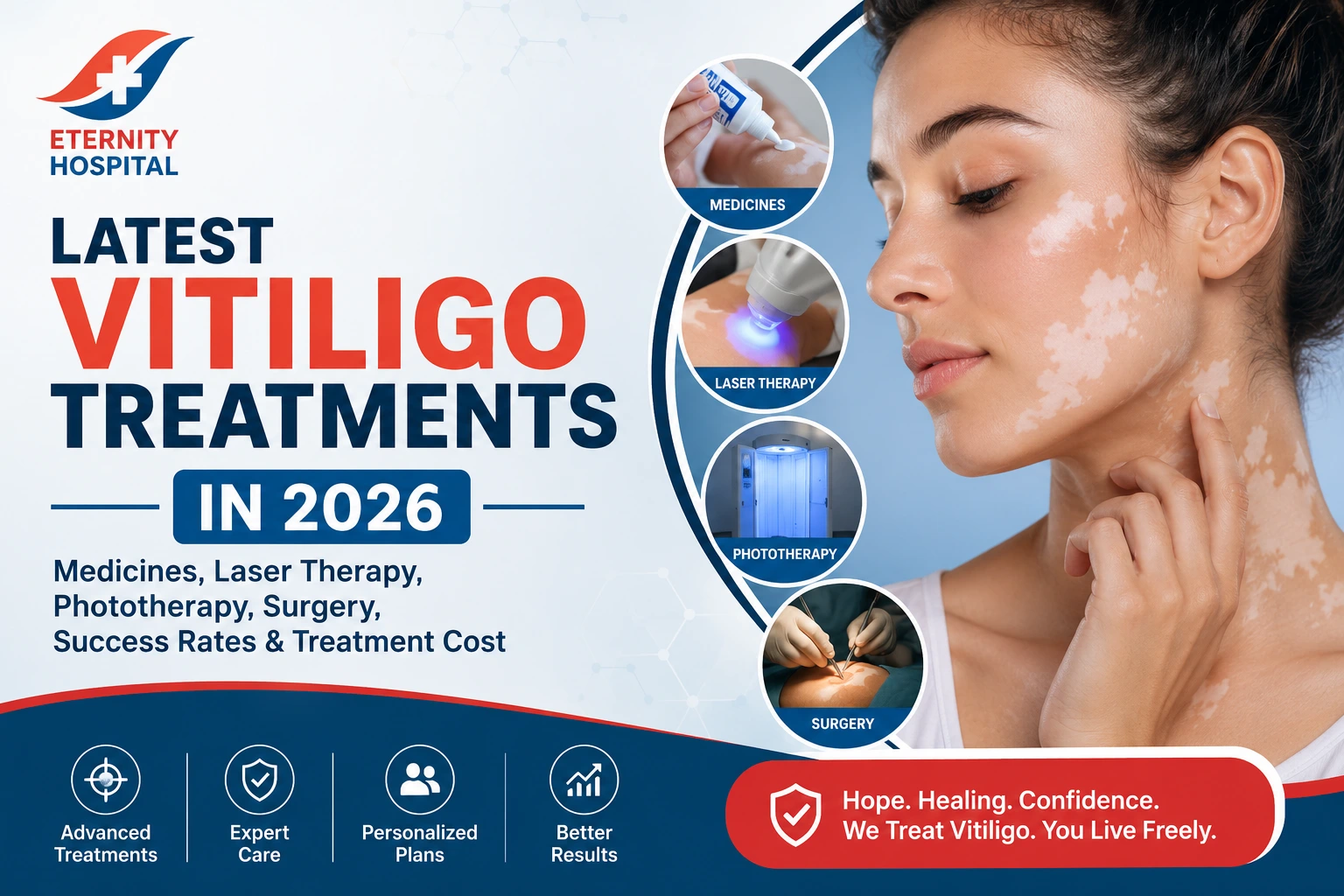
Understanding Vitiligo in 2026
Latest Vitiligo Treatments in 2026 is a chronic autoimmune skin condition that causes the loss of pigmentation, resulting in white patches on different parts of the body. While the condition is not physically dangerous, it can significantly impact confidence, emotional well-being, and quality of life. Millions of people worldwide live with Vitiligo, and the demand for effective treatments has increased dramatically over the past decade. The good news is that 2026 has brought several promising developments, giving patients more options than ever before.
The medical community now understands that Vitiligo is not simply a cosmetic issue. Research has shown that immune system dysfunction plays a central role in the destruction of melanocytes, the cells responsible for producing skin pigment. This deeper understanding has led to targeted therapies that address the root causes rather than just masking symptoms. Modern dermatologists increasingly combine medications, phototherapy, laser treatments, and surgical techniques to maximize repigmentation results.
One of the most exciting breakthroughs involves JAK inhibitors, which specifically target immune pathways involved in vitiligo progression. These treatments are changing how dermatologists manage the disease and are creating hope for patients who previously had limited options. Recent studies have demonstrated improved repigmentation rates when JAK inhibitors are combined with phototherapy.
Patients today also benefit from earlier diagnosis, advanced imaging technologies, and personalized treatment planning. Rather than following a one-size-fits-all approach, dermatologists can now tailor treatment to disease severity, patch location, age, skin type, and treatment response history. This personalized strategy significantly improves outcomes and patient satisfaction.
What Causes Vitiligo?
Vitiligo develops when melanocytes stop functioning or are destroyed by the body’s immune system. Scientists believe multiple factors contribute to the condition, including genetics, autoimmune disorders, oxidative stress, and environmental triggers. Family history can increase risk, but many patients have no known relatives with the condition.
Research conducted over recent years has highlighted the importance of the IFN-γ-JAK-STAT pathway in vitiligo development. This discovery has opened the door to targeted treatments that interrupt the inflammatory process responsible for pigment loss. New therapies focus on preventing immune attacks while encouraging melanocyte regeneration and migration into affected skin areas.
Stress, skin trauma, sunburn, and certain chemical exposures may trigger or worsen Vitiligo in susceptible individuals. However, these factors are generally considered triggers rather than primary causes. Understanding the underlying mechanism allows specialists to design more effective treatment plans and reduce disease progression.
Medicines for Vitiligo in 2026
Medication remains one of the most important components of vitiligo treatment. Depending on the extent and activity of the disease, dermatologists may recommend topical creams, oral medications, or advanced immunomodulating therapies.
Topical Steroids
Topical corticosteroids remain widely used for localized Vitiligo. These medications reduce inflammation and suppress immune activity in affected skin. They are particularly effective in newly diagnosed cases where melanocytes may still be present. Patients often see gradual improvement over several months, especially when treatment begins early.
However, prolonged steroid use can cause side effects such as skin thinning, stretch marks, and increased sensitivity. Because of these risks, dermatologists carefully monitor treatment duration and may alternate steroids with other therapies. Despite newer innovations, topical steroids remain an important first-line treatment option.
Calcineurin Inhibitors
Tacrolimus and pimecrolimus creams are commonly prescribed for sensitive areas such as the face, eyelids, and neck. Unlike steroids, these medications do not cause skin thinning, making them suitable for long-term use. They work by reducing immune activity while preserving skin integrity.
Many dermatologists combine calcineurin inhibitors with phototherapy to improve outcomes. This combination often produces better repigmentation than either treatment alone. Patients with facial Vitiligo frequently achieve favorable cosmetic results using this strategy.
JAK Inhibitors – The Biggest Breakthrough
The most significant advancement in vitiligo treatment is the emergence of JAK inhibitors. Ruxolitinib cream became the first FDA-approved medication specifically designed to promote repigmentation in patients with non-segmental Vitiligo aged 12 years and older. Clinical studies demonstrated significant improvements in facial and body repigmentation with consistent use.
Research published in 2026 suggests that combining JAK inhibitors with Narrowband UVB phototherapy may further enhance repigmentation outcomes. These therapies target the underlying immune pathways responsible for melanocyte destruction, making them more precise than traditional treatments.
Several oral JAK inhibitors, including upadacitinib, povorcitinib, and ritlecitinib, are progressing through advanced clinical trials and may reshape vitiligo treatment over the coming years.
Phototherapy for Vitiligo
Phototherapy remains one of the most effective and widely recommended treatments for Vitiligo. It uses controlled exposure to ultraviolet light to stimulate melanocyte activity and encourage pigment production. Dermatologists often recommend phototherapy for patients with widespread Vitiligo affecting multiple body regions.
Narrowband UVB Therapy
Narrowband UVB (NB-UVB) is considered the gold standard phototherapy treatment. Sessions are typically performed two to three times weekly over several months. The treatment is safe, effective, and suitable for adults and children under professional supervision.
Clinical evidence indicates that many patients experience noticeable repigmentation within six to twelve months. Facial lesions tend to respond best, while hands and feet often require longer treatment periods. Studies published in 2026 report that approximately 40–60% of treated lesions achieve significant repigmentation with modern phototherapy protocols.
Combination Therapy
The trend in 2026 is combining phototherapy with medications such as tacrolimus or JAK inhibitors. These combinations enhance treatment response and improve long-term outcomes. Research shows that patients receiving combined treatment often achieve higher rates of repigmentation than those receiving phototherapy alone.
Laser Treatment for Vitiligo
Laser therapy has become increasingly popular because it delivers targeted treatment directly to affected areas while minimizing exposure to healthy skin.
Excimer Laser Therapy
The 308-nm excimer laser is one of the most effective laser treatments for Vitiligo. It emits a concentrated beam of ultraviolet light that stimulates melanocyte activity. Because the laser specifically targets depigmented areas, treatment is highly precise and efficient.
Patients with localized Vitiligo often achieve faster results than with conventional phototherapy. Facial and neck lesions typically respond particularly well. Treatment sessions are short, making laser therapy convenient for busy individuals seeking advanced care.
Benefits and Limitations
Laser treatment offers several advantages, including precision, reduced treatment times, and improved cosmetic outcomes. However, it may not be suitable for extensive Vitiligo affecting large body areas. Costs can also be higher than traditional phototherapy due to specialized equipment requirements.
For many patients, laser therapy serves as an excellent option when combined with topical medications or phototherapy. Dermatologists frequently integrate multiple approaches to maximize repigmentation and maintain long-term results.
Surgical Treatment Options
When Vitiligo remains stable for at least six to twelve months and fails to respond to medical therapies, surgery may become a viable option.
Melanocyte-Keratinocyte Transplantation Procedure (MKTP)
MKTP is one of the most advanced surgical techniques available today. During the procedure, healthy melanocytes are harvested from unaffected skin and transplanted into depigmented areas. The transplanted cells gradually produce pigment, leading to a natural-looking restoration of skin color.
This technique is particularly effective for stable Vitiligo and has shown impressive success rates in experienced centers. Results continue to improve as technology and surgical expertise advance.
Skin Grafting
Skin grafting involves transferring small sections of pigmented skin into depigmented areas. Various grafting methods exist, including punch grafting, suction blister grafting, and split-thickness grafting. Each approach has specific indications depending on lesion size and location.
Although surgical procedures require careful patient selection, they can produce dramatic cosmetic improvements when performed by experienced specialists. Patients considering surgery should undergo a comprehensive evaluation before proceeding.
Success Rates of Modern Vitiligo Treatments
Treatment success varies depending on disease duration, lesion location, skin type, patient age, and chosen therapy. Facial lesions generally respond best, while fingers, toes, and bony areas often present greater challenges.
Treatment Average Success Rate
Topical Steroids 40–60%
Tacrolimus Therapy 45–65%
NB-UVB Phototherapy 50–75%
Excimer Laser 60–80%
JAK Inhibitor + Phototherapy 65–85%
Surgical Procedures 70–95%
These figures represent approximate outcomes reported across clinical studies and may vary among individual patients. Combination therapies continue to demonstrate the highest repigmentation rates.
Vitiligo Treatment Cost in India
Treatment costs vary significantly based on disease severity, clinic location, technology used, and treatment duration.
Treatment Type: Estimated Cost in India
Consultation ₹500 – ₹2,500
Topical Medicines ₹1,000 – ₹8,000/month
Phototherapy ₹1,500 – ₹5,000/session
Excimer Laser ₹2,000 – ₹8,000/session
JAK Inhibitor Therapy ₹5,000 – ₹25,000+/month
Surgical Treatment ₹30,000 – ₹2,00,000+
Patients should remember that successful vitiligo treatment often requires a long-term commitment. Investing in proper diagnosis, expert care, and evidence-based treatments can significantly improve outcomes.
Why Choose Hospital Eternity for Vitiligo Treatment?
For patients seeking advanced vitiligo treatment in India, Hospital Eternity offers access to modern dermatological care, personalized treatment plans, and comprehensive management strategies. The hospital focuses on evidence-based approaches, combining medications, phototherapy, laser technologies, and specialized dermatology consultations to achieve optimal outcomes.
A personalized treatment plan is essential because every vitiligo case is unique. Experienced specialists evaluate disease activity, lesion distribution, treatment history, and patient goals before recommending therapy. This individualized approach increases the likelihood of successful repigmentation while minimizing unnecessary treatments.
Patients also benefit from ongoing monitoring, treatment adjustments, and educational support. Modern vitiligo management requires consistency and expert guidance, making specialized care an important part of long-term success.
Conclusion
The landscape of vitiligo treatment in 2026 is more promising than ever before. Breakthroughs in JAK inhibitors, advanced phototherapy protocols, targeted laser treatments, and refined surgical techniques are transforming patient outcomes. What was once considered a difficult condition to manage now has multiple scientifically validated treatment options that can deliver meaningful repigmentation.
Early diagnosis, personalized treatment planning, and consistent follow-up remain the keys to achieving the best results. Whether treatment involves medications, phototherapy, laser therapy, surgery, or a combination approach, patients today have access to more effective solutions than any previous generation. As ongoing research advances, the future of vitiligo treatment looks increasingly hopefulhttps://www.hospitaleternity.com/mommy-makeover-surgery-in-ghaziabad/
https://www.hospitaleternity.com/vitiligo-treatment-in-ghaziabad/
https://www.hospitaleternity.com/best-liposuction-surgery-in-ghaziabad/
https://www.hospitaleternity.com/best-tummy-tuck-surgery-in-ghaziabad/
https://www.hospitaleternity.com/body-lift-surgery-in-ghaziabad/
https://www.hospitaleternity.com/mommy-makeover-surgery-in-ghaziabad/
https://www.hospitaleternity.com/weight-loss-surgery-in-ghaziabad/
https://www.hospitaleternity.com/lipoma-removal-surgery-in-ghaziabad/
https://www.hospitaleternity.com/brazilian-buttock-lift-surgery-in-ghaziabad/
https://www.hospitaleternity.com/buttock-augmentation-surgery-in-ghaziabad/
https://www.hospitaleternity.com/vitiligo-treatment-in-ghaziabad/