

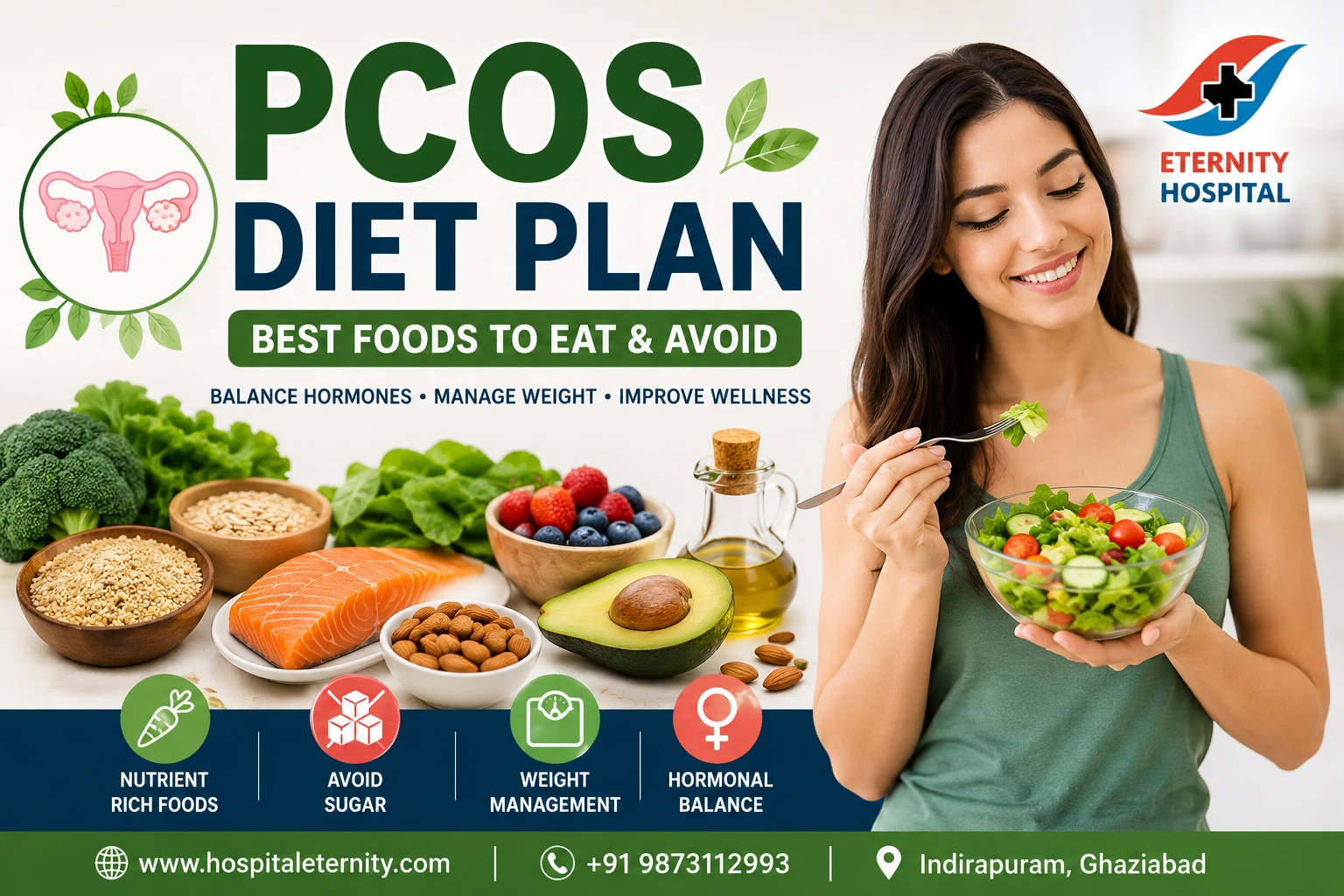
PCOS Diet Plan: Best Foods to Eat & Avoid
Understanding PCOS
What is PCOS?
Polycystic Ovary Syndrome (PCOS) is one of the most common hormonal disorders affecting women of reproductive age. It impacts the ovaries, menstrual cycle, metabolism, fertility, and even emotional well-being. According to recent health estimates, PCOS affects approximately 8%–13% of women worldwide, and many cases remain undiagnosed. Women with PCOS often experience irregular periods, weight gain, acne, excessive facial hair, thinning scalp hair, and difficulty conceiving. While there is no permanent cure, the condition can be managed effectively through the right combination of diet, exercise, stress management, and medical treatment.
One of the biggest reasons PCOS becomes difficult to manage is insulin resistance. When the body’s cells stop responding effectively to insulin, blood sugar levels rise, leading to increased insulin production. High insulin levels stimulate the ovaries to produce more male hormones (androgens), worsening PCOS symptoms. This is why nutrition plays such an important role. A carefully planned diet can improve insulin sensitivity, reduce inflammation, promote weight loss, regulate menstrual cycles, and naturally improve fertility.
Common Symptoms of PCOS
PCOS symptoms vary from woman to woman. Some women experience only mild menstrual irregularities, while others struggle with infertility or severe hormonal imbalance. Recognizing the symptoms early allows timely diagnosis and treatment.
Common symptoms include:
- Irregular or missed periods
- Weight gain, especially around the abdomen
- Acne and oily skin
- Excess facial and body hair
- Hair thinning or hair loss
- Difficulty getting pregnant
- Dark patches of skin (Acanthosis Nigricans)
- Mood swings and fatigue
Early lifestyle intervention significantly improves long-term health outcomes.
Why Diet Matters in PCOS
Insulin Resistance and PCOS
One of the primary reasons nutrition is considered the cornerstone of PCOS management is its close relationship with insulin resistance. Around 50–70% of women with PCOS are estimated to have some degree of insulin resistance, even if they are not overweight. Insulin is the hormone responsible for helping glucose move from your bloodstream into your body’s cells to be used for energy. When the cells become resistant to insulin, the pancreas produces even more insulin to compensate. These elevated insulin levels encourage the ovaries to produce higher amounts of androgens, such as testosterone, which can worsen symptoms like irregular periods, acne, excessive facial hair, and infertility.
The encouraging news is that insulin resistance often improves with the right dietary choices. Choosing foods that digest slowly and keep blood sugar stable helps reduce insulin spikes throughout the day. Instead of relying on sugary snacks, refined flour products, or sweetened beverages, a PCOS-friendly meal focuses on fiber-rich vegetables, lean proteins, healthy fats, and whole grains. Even a modest weight loss of 5–10% of body weight can significantly improve menstrual regularity, ovulation, and fertility in many women with PCOS. Remember, the goal isn’t to follow a crash diet—it’s to build healthy eating habits that your body can maintain for years.
Hormonal Balance Through Nutrition
Nutrition influences far more than just body weight. Every meal you consume sends signals to your hormones, digestive system, metabolism, and reproductive organs. A diet rich in antioxidants, vitamins, minerals, and anti-inflammatory foods helps lower chronic inflammation, which is commonly found in women with PCOS. Reducing inflammation may also improve egg quality, support ovulation, and decrease the severity of acne and skin problems.
Protein-rich foods keep you full longer and prevent overeating, while healthy fats such as omega-3 fatty acids support hormone production and reduce inflammation. Fiber slows the absorption of sugar into the bloodstream, preventing sudden blood sugar spikes that contribute to insulin resistance. Hydration is equally important because adequate water intake supports metabolism, digestion, and overall hormone function. When these nutritional strategies are combined with regular physical activity, quality sleep, and stress management, many women notice significant improvements in their menstrual cycles, energy levels, skin health, and reproductive health. Diet is not simply about losing weight—it is about creating the ideal internal environment for hormonal balance.
Best Foods to Eat for PCOS
High-Fiber Foods
Fiber is one of the most powerful nutrients for women with PCOS because it naturally slows digestion and helps regulate blood sugar levels. High-fiber foods also keep you feeling full longer, reducing unnecessary snacking and supporting healthy weight management. Since insulin resistance is closely linked with PCOS, increasing fiber intake can play an important role in improving insulin sensitivity. Women who regularly consume fiber-rich meals often experience better digestion, reduced inflammation, and improved metabolic health over time.
Excellent high-fiber foods include leafy greens, broccoli, cauliflower, carrots, cucumbers, bell peppers, lentils, chickpeas, kidney beans, black beans, apples, pears, berries, chia seeds, flaxseeds, and oats. These foods provide essential vitamins, minerals, and antioxidants while helping maintain stable blood sugar throughout the day. Instead of relying on processed snacks, consider adding vegetables to every meal and choosing fresh fruits as desserts. Small dietary changes like replacing white rice with quinoa or brown rice can make a noticeable difference in managing PCOS symptoms.
Lean Protein Sources
Protein plays a crucial role in hormone regulation, muscle maintenance, and appetite control. Every meal should ideally include a quality protein source because protein slows digestion, reduces cravings, and stabilizes blood glucose levels. This becomes particularly beneficial for women with PCOS who often struggle with hunger, emotional eating, or fluctuating energy levels. Protein also supports healthy ovulation and reproductive function by providing the building blocks necessary for hormone production.
Some of the best lean protein choices include skinless chicken, turkey, eggs, fish, tofu, paneer (in moderation), Greek yogurt, cottage cheese, lentils, soybeans, and legumes. Fatty fish like salmon, sardines, and mackerel offer an additional advantage because they are rich in omega-3 fatty acids, which help reduce inflammation and support cardiovascular health. Aim to distribute protein evenly throughout the day rather than consuming most of it at dinner. A balanced breakfast containing protein can reduce cravings later in the day and improve overall blood sugar control.
Healthy Fats
Healthy fats have often been misunderstood, but they are essential for hormone production and overall reproductive health. The body requires dietary fats to produce estrogen, progesterone, and other hormones that regulate the menstrual cycle. Healthy fats also improve satiety, helping you feel full after meals and reducing the likelihood of overeating. Unlike trans fats and heavily processed oils, natural healthy fats actually support heart health and reduce chronic inflammation.
Excellent sources include avocados, olive oil, almonds, walnuts, pistachios, flaxseeds, chia seeds, pumpkin seeds, sunflower seeds, and fatty fish. These foods contain beneficial monounsaturated and polyunsaturated fats that promote healthy cholesterol levels and support insulin sensitivity. Portion control is still important because healthy fats are calorie-dense, but incorporating moderate amounts into each meal can significantly improve nutritional quality. Pairing healthy fats with vegetables or lean proteins also helps enhance the absorption of fat-soluble vitamins like A, D, E, and K.
Low-Glycemic Fruits
Many women with PCOS mistakenly avoid fruit because of its natural sugar content. The truth is that most whole fruits are excellent choices when eaten in moderation. Fruits provide fiber, vitamins, minerals, antioxidants, and hydration—all of which contribute to better metabolic and hormonal health. The key is choosing fruits with a lower glycemic index that release sugar gradually rather than causing rapid spikes in blood glucose.
Some of the best fruits for PCOS include berries, apples, pears, oranges, kiwi, peaches, cherries, grapefruit, and plums. These fruits are rich in antioxidants that combat inflammation and oxidative stress. Pairing fruit with a protein source, such as Greek yogurt or a handful of nuts, can further slow sugar absorption and improve satiety. On the other hand, fruit juices and sweetened smoothies should be limited because they contain concentrated sugars with very little fiber.
Whole Grains
Replacing refined carbohydrates with whole grains is one of the simplest yet most effective dietary changes for women with PCOS. Whole grains retain their natural fiber, vitamins, and minerals, making them much more beneficial than processed white flour products. They digest more slowly, helping maintain stable blood sugar levels and reducing insulin spikes throughout the day.
Healthy whole-grain options include oats, quinoa, brown rice, whole wheat, barley, buckwheat, millets, and whole-grain bread. These foods provide sustained energy, improve digestive health, and support weight management. Rather than eliminating carbohydrates, focus on choosing better-quality carbohydrates and balancing them with protein and healthy fats. This approach is more sustainable and provides the nutrients your body needs for long-term health.
https://www.hospitaleternity.com/menopausal-problems-treatment-in-ghaziabad/