

Introduction
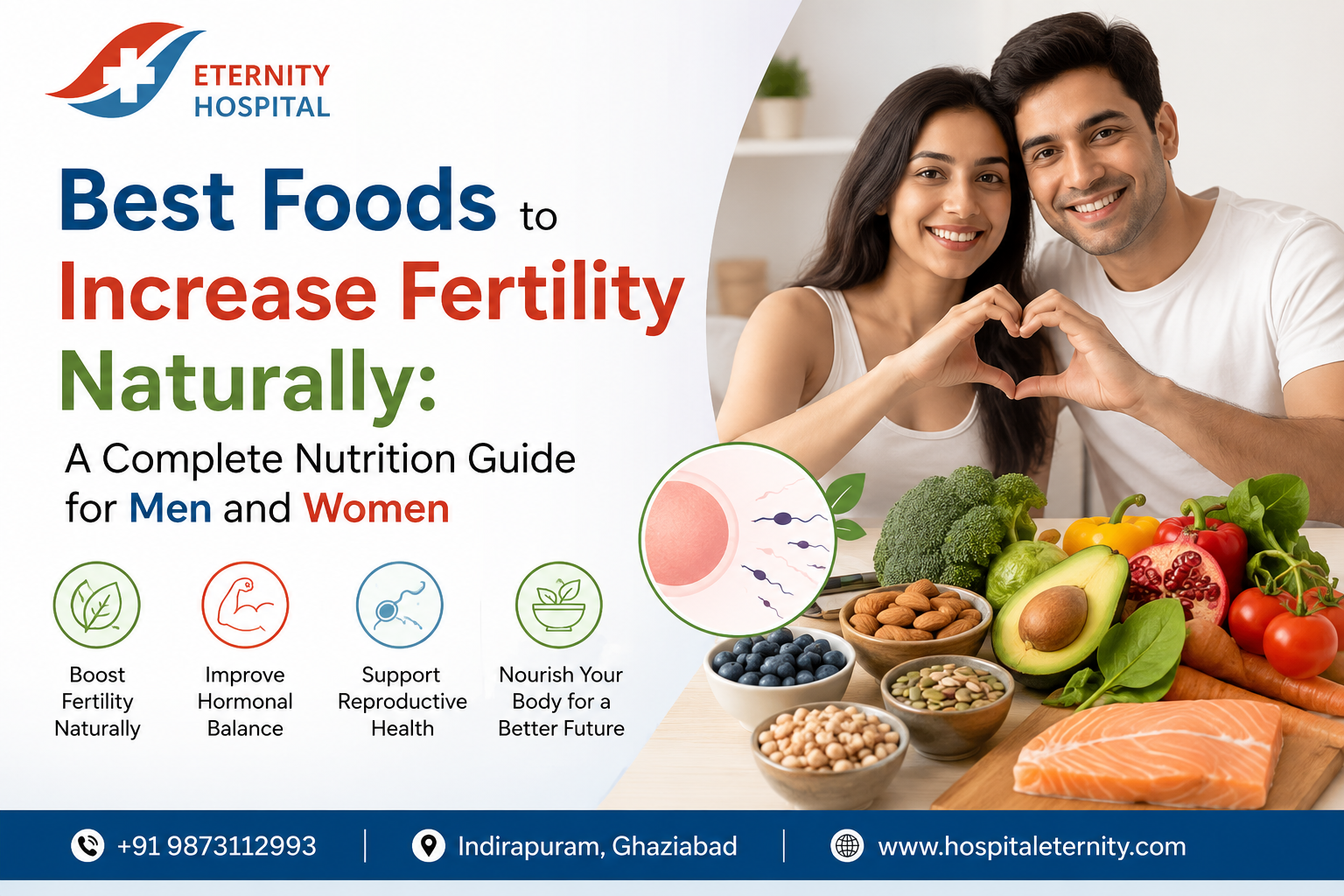
Best Foods to Increase Fertility Naturally Planning to start a family is one of the most exciting journeys in life. While many people focus on medical treatments to improve fertility, they often overlook one of the most powerful factors that influence reproductive health—nutrition. The food you eat every day directly affects hormone production, egg quality, sperm health, ovulation, and overall reproductive wellness. Scientific research has shown that adopting a healthy dietary pattern can improve fertility in both men and women while reducing inflammation and oxidative stress, two major contributors to infertility.
Infertility affects millions of couples worldwide, but that doesn’t mean pregnancy is impossible. In many cases, making healthier lifestyle choices, maintaining an ideal body weight, exercising regularly, reducing stress, and consuming fertility-friendly foods can significantly improve the chances of conception. Foods rich in vitamins, minerals, antioxidants, healthy fats, and protein help create the ideal environment for reproductive health. These nutrients support healthy eggs, improve sperm quality, regulate hormones, and prepare the body for a healthy pregnancy.
If you’ve been wondering which foods actually help increase fertility naturally, this comprehensive guide will answer all your questions. You’ll discover the best fertility-boosting foods, nutrients to prioritize, foods to avoid, and practical tips recommended by fertility experts.
Understanding Fertility and Nutrition
How Diet Influences Reproductive Health
Many people underestimate the relationship between nutrition and fertility. Every cell in your reproductive system depends on vitamins, minerals, proteins, and healthy fats to function efficiently. When your body lacks essential nutrients, hormone production can become unbalanced, ovulation may become irregular, sperm quality can decline, and implantation may become more difficult. Think of your body like a garden. Even the healthiest seeds cannot grow without fertile soil. Likewise, healthy eggs and sperm need the right nutritional environment to thrive.
Research has consistently shown that diets rich in vegetables, fruits, legumes, fish, nuts, and whole grains are associated with better reproductive outcomes. On the other hand, diets high in processed foods, sugar, refined carbohydrates, trans fats, and sugary beverages are linked with poorer fertility in both men and women. Maintaining stable blood sugar levels also plays an important role because insulin resistance can interfere with ovulation, particularly in women with PCOS (Polycystic Ovary Syndrome).
Good nutrition also reduces oxidative stress, one of the leading causes of damage to eggs and sperm. Antioxidants found in colorful fruits and vegetables protect reproductive cells from free radical damage, helping improve both fertility and pregnancy outcomes. A nutrient-rich diet also strengthens the immune system, supports healthy hormone balance, and prepares the body for conception.
Fertility Facts You Should Know
Fertility naturally changes with age, but lifestyle factors significantly influence reproductive health regardless of age. Women are born with all the eggs they will ever have, and the quality of those eggs gradually declines over time. Men continue producing sperm throughout life, but sperm quality can also decrease due to poor nutrition, smoking, obesity, alcohol consumption, stress, and environmental toxins.
One important fact many couples don’t realize is that male fertility contributes to nearly half of all infertility cases. This means nutrition isn’t just important for women—men also benefit greatly from a balanced diet rich in antioxidants, zinc, selenium, omega-3 fatty acids, and vitamins C and E. Healthy lifestyle habits adopted by both partners often produce better pregnancy outcomes than focusing on one person alone.
While no single “superfood” guarantees pregnancy, consistently following a healthy eating pattern creates the best possible conditions for conception. Combined with regular physical activity, adequate sleep, stress management, and timely medical evaluation, nutrition becomes one of the most effective natural tools for improving fertility.
Essential Nutrients for Fertility
Folic Acid
Among all fertility nutrients, folic acid deserves special attention. This B vitamin supports DNA formation, healthy cell division, and fetal neural tube development during early pregnancy. Women trying to conceive should ensure adequate folate intake even before pregnancy because the baby’s neural tube develops during the first few weeks, often before pregnancy is confirmed.
Natural food sources include spinach, broccoli, asparagus, lentils, oranges, avocados, chickpeas, and fortified cereals. Doctors commonly recommend prenatal folic acid supplements along with a healthy diet to reduce the risk of neural tube defects and support reproductive health.
Omega-3 Fatty Acids
Omega-3 fatty acids play an essential role in hormone production, egg quality, embryo development, and healthy blood flow to reproductive organs. These healthy fats also reduce inflammation throughout the body, which can improve fertility naturally.
Excellent dietary sources include:
- Salmon
- Sardines
- Mackerel
- Walnuts
- Chia seeds
- Flaxseeds
Studies also suggest omega-3 fatty acids may improve sperm motility and morphology in men, making them beneficial for both partners trying to conceive.
Best Foods to Increase Fertility Naturally
A healthy fertility diet isn’t about eating one magical food—it’s about consistently choosing nutrient-rich foods that support hormone production, egg quality, sperm health, and overall reproductive function. The following foods are among the best options for couples trying to conceive naturally.
FoodKey NutrientsFertility Benefits
Spinach Folate, Iron Supports ovulation and fetal development
Eggs Protein, Choline, Vitamin D Improves egg quality and embryo development
Salmon Omega-3, Vitamin D Supports hormone balance
Walnuts Omega-3, Zinc Improves sperm quality
Avocados Healthy fats, Vitamin E Supports reproductive hormones
Lentils Plant protein, Iron, Folate Encourages healthy ovulation
Greek Yogurt Calcium, Protein Supports reproductive health
Berries Antioxidants Protect eggs and sperm from oxidative stress
Pumpkin Seeds Zinc Improves testosterone and sperm production
Whole Grains Fiber, B Vitamins Maintains healthy insulin levels
Leafy Green Vegetables
Leafy green vegetables are among the most nutrient-dense foods available and should be a staple in every fertility-friendly diet. Spinach, kale, broccoli, fenugreek leaves, mustard greens, and Swiss chard provide generous amounts of folate, iron, calcium, magnesium, and vitamins A, C, and K. Folate is especially important because it supports DNA synthesis and healthy cell division, which are essential for successful conception and fetal development.
Iron plays another critical role by helping transport oxygen throughout the body, including to the reproductive organs. Women with low iron levels may experience ovulatory problems, while men also benefit from adequate iron for healthy blood circulation and energy production. These vegetables also contain antioxidants that reduce inflammation and protect reproductive cells from oxidative damage.
Including at least one serving of leafy greens with lunch or dinner is an easy way to improve overall nutritional intake. They can be added to smoothies, soups, salads, or cooked dishes without dramatically changing the taste of meals.
Fruits Rich in Antioxidants
Colorful fruits provide natural antioxidants that help protect eggs and sperm from damage caused by free radicals. Berries, oranges, pomegranates, kiwi, grapes, apples, and citrus fruits are particularly beneficial because they contain vitamin C, flavonoids, and polyphenols that support reproductive health.
Blueberries and strawberries are especially rich in anthocyanins, which help reduce oxidative stress. Pomegranates have long been associated with improved blood circulation and reproductive health due to their high antioxidant content. Citrus fruits also improve iron absorption, making them an excellent companion to leafy green vegetables.
Aim to consume at least two servings of fresh fruit each day rather than relying on packaged fruit juices, which often contain added sugars and fewer nutrients.
Whole Grains
Replacing refined carbohydrates with whole grains can significantly improve hormonal balance. Whole grains such as oats, brown rice, quinoa, barley, and whole wheat provide fiber that helps regulate insulin levels. Stable insulin levels are especially important for women with PCOS, one of the most common causes of infertility.
Whole grains also supply B vitamins, selenium, and magnesium, nutrients involved in hormone production and energy metabolism. Unlike refined flour products, whole grains release energy gradually, preventing sudden spikes in blood sugar that may interfere with reproductive hormones.
Switching from white bread to whole-grain bread or replacing white rice with brown rice are simple dietary changes that may positively affect fertility over time.
Healthy Fats
Healthy fats are essential building blocks for reproductive hormones. Diets extremely low in fat may actually interfere with hormone production, while healthy unsaturated fats support regular ovulation and healthy sperm formation.
Excellent sources include:
- Olive oil
- Avocados
- Almonds
- Walnuts
- Chia seeds
- Flaxseeds
- Fatty fish
These foods also reduce chronic inflammation, improve heart health, and support healthy blood flow to reproductive organs. Replacing butter and processed oils with extra virgin olive oil is one of the easiest dietary improvements couples can make.
Nuts and Seeds
Nuts and seeds contain an impressive combination of protein, healthy fats, zinc, selenium, vitamin E, and antioxidants. Zinc is particularly important for testosterone production, sperm formation, and normal ovulation. Selenium supports sperm motility while vitamin E protects reproductive cells from oxidative damage.
The best fertility-friendly options include:
- Almonds
- Walnuts
- Brazil nuts
- Pumpkin seeds
- Sunflower seeds
- Chia seeds
- Flaxseeds
A small handful each day provides substantial nutritional benefits without excessive calories. These foods also make convenient snacks that replace processed chips or sugary treats.
Eggs
Eggs are often considered one of nature’s most complete foods. They contain high-quality protein, vitamin D, choline, healthy fats, selenium, and B vitamins. Choline plays an important role in fetal brain development and supports healthy cell membranes even before conception occurs.
Vitamin D deficiency has been associated with reduced fertility in some individuals, making eggs a valuable addition to a balanced fertility diet. Since protein is necessary for hormone production and tissue repair, eggs provide excellent nutritional value for both men and women trying to conceive.
Unless advised otherwise by a healthcare provider, consuming eggs in moderation as part of a balanced diet can support reproductive health.
Fatty Fish
Salmon, sardines, trout, and mackerel are excellent sources of omega-3 fatty acids. These healthy fats improve blood flow to reproductive organs, reduce inflammation, and support healthy hormone production. Studies also suggest omega-3 intake may improve egg quality and sperm motility.
Fish additionally supplies vitamin D, iodine, selenium, and high-quality protein. Experts generally recommend consuming low-mercury fatty fish one to two times each week while limiting high-mercury fish such as swordfish and king mackerel.
Including grilled or baked salmon with vegetables makes an ideal fertility-supportive meal that benefits overall cardiovascular and reproductive health.
Dairy Products
Moderate amounts of dairy products can provide calcium, vitamin D, phosphorus, and protein, all of which contribute to reproductive wellness. Greek yogurt, milk, and cottage cheese are nutritious choices that also promote bone health before pregnancy.
Greek yogurt is particularly beneficial because it offers higher protein levels while supporting gut health through probiotics. Maintaining a healthy gut microbiome may indirectly influence hormone balance and immune function, both of which contribute to fertility.
Choosing minimally processed dairy products without excessive added sugar is generally the healthiest approach.
Legumes
Beans, lentils, chickpeas, and peas are outstanding sources of plant protein, fiber, iron, and folate. Replacing some animal proteins with legumes may benefit fertility by reducing saturated fat intake while increasing fiber consumption.
Legumes help stabilize blood sugar, improve digestive health, and support hormone regulation. Lentils, in particular, are among the richest natural sources of folate, making them an excellent food for women preparing for pregnancy.
Adding lentils to soups, curries, salads, or rice dishes is an easy and affordable way to improve nutritional quality.
Avocados
Avocados are often called a fertility superfood because they contain healthy monounsaturated fats, potassium, folate, vitamin E, and fiber. Healthy fats support hormone production while vitamin E acts as an antioxidant protecting reproductive cells.
The creamy texture makes avocados versatile enough for salads, sandwiches, smoothies, or healthy spreads. Their high fiber content also supports healthy digestion and stable blood sugar levels, both of which contribute to better reproductive health.
For couples planning pregnancy, including avocado regularly in meals is a simple way to increase nutrient intake without relying on supplements alone.
Lifestyle Tips to Boost Fertility Naturally
Diet alone cannot guarantee pregnancy, but combining healthy nutrition with positive lifestyle habits can significantly improve reproductive health.
Maintain a Healthy Weight
Both being underweight and overweight can disrupt hormone production and ovulation. Achieving a healthy Body Mass Index (BMI) through balanced nutrition and regular exercise can increase the likelihood of conception.
Exercise Regularly
Moderate physical activity such as walking, yoga, swimming, or cycling improves blood circulation, reduces stress, and supports hormonal balance. Aim for at least 150 minutes of moderate exercise each week while avoiding excessive high-intensity workouts if advised by your healthcare provider.
Get Enough Sleep
Poor sleep affects hormones involved in ovulation and sperm production. Adults should aim for 7–9 hours of quality sleep each night to support reproductive health.
Manage Stress
Long-term stress can interfere with reproductive hormones. Meditation, deep breathing, mindfulness, spending time outdoors, and hobbies you enjoy can help reduce stress levels.
Stay Hydrated
Adequate water intake supports overall health, circulation, and cervical mucus production. Drinking sufficient water throughout the day is a simple but effective habit for couples trying to conceive.
When Should You See a Fertility Specialist?
Although lifestyle improvements can increase fertility naturally, medical evaluation becomes important if pregnancy does not occur within an expected timeframe.
You should consider consulting a fertility specialist if:
- You are under 35 and have been trying to conceive for 12 months without success.
- You are 35 or older and have been trying for 6 months.
- You have irregular or absent menstrual periods.
- You have been diagnosed with PCOS, endometriosis, fibroids, or thyroid disorders.
- Your partner has known sperm abnormalities.
- You have experienced recurrent pregnancy loss.
Early diagnosis often leads to more effective treatment and improved pregnancy outcomes.
Why Choose Hospital Eternity for Fertility and Women’s Healthcare?
If you’re planning a pregnancy or experiencing fertility concerns, receiving expert medical guidance is just as important as following a healthy lifestyle. Hospital Eternity is committed to providing compassionate, evidence-based women’s healthcare tailored to every stage of the fertility journey.
At Hospital Eternity, experienced gynecologists and women’s health specialists offer comprehensive services including:
- Fertility evaluation and counseling
- Preconception health check-ups
- PCOS diagnosis and management
- Pregnancy planning
- High-risk pregnancy care
- Routine gynecological examinations
- Women’s wellness programs
- Personalized nutritional guidance
The team focuses on identifying the underlying causes of fertility challenges while creating individualized treatment plans based on each patient’s medical history and reproductive goals. Whether you’re preparing for your first pregnancy or seeking expert advice after unsuccessful attempts to conceive, Hospital Eternity provides compassionate support with modern diagnostic facilities and patient-centered care.
To learn more about fertility care, pregnancy planning, and women’s health services, visit https://www.hospitaleternity.com/.
Conclusion
Improving fertility naturally starts with making healthier choices every day. A balanced diet rich in leafy green vegetables, colorful fruits, whole grains, healthy fats, nuts, seeds, eggs, legumes, dairy products, and omega-3-rich fish provides the essential nutrients needed to support hormone balance, egg quality, sperm health, and successful conception. At the same time, reducing processed foods, excess sugar, alcohol, and smoking can further improve reproductive health.
Remember that many factors, including age, lifestyle, underlying medical conditions, and overall health, influence fertility. Nutrition should be viewed as one important part of a comprehensive fertility plan rather than a standalone solution. Combining a healthy diet with regular exercise, stress management, quality sleep, and timely medical consultation offers the best chance of achieving a healthy pregnancy.
If you’re planning to conceive or facing fertility challenges, don’t hesitate to seek professional guidance. Expert evaluation and personalized care can help identify any underlying issues early and provide the right treatment options for your unique situation. With the right support and healthy habits, many couples can improve their reproductive health and move closer to their dream of becoming parents.