

Understanding the Menstrual Cycle
Many women ask one common question: “Period ke kitne din baad pregnant ho sakte hain?” The answer depends on several biological factors, including your menstrual cycle length, ovulation timing, and overall reproductive health. Pregnancy doesn’t happen immediately after your period for every woman, but it can happen surprisingly early in some cases.
A normal menstrual cycle usually lasts between 21 and 35 days, with the average being 28 days. The first day of your period is considered Day 1 of your cycle. During the first few days, the uterus sheds its lining, resulting in menstrual bleeding. As the cycle progresses, hormones stimulate the growth of an egg inside the ovary. Around the middle of the cycle, the egg is released in a process known as ovulation.
The timing of ovulation is what determines your most fertile days. Since sperm can survive inside the female reproductive tract for up to 5 days, intercourse before ovulation can also lead to pregnancy. This is why understanding your cycle is essential if you are planning to conceive or avoid pregnancy naturally.
The Four Phases of the Menstrual Cycle
The menstrual cycle consists of four important phases:
PhaseDaysWhat Happens
Menstrual Phase Day 1–5 Bleeding occurs as the uterus sheds its lining.
Follicular Phase Day 1–13 Hormones prepare an egg for release.
Ovulation Around Day 14: The mature egg is released from the ovary.
Luteal Phase Day 15–28 The body prepares for pregnancy. If fertilization doesn’t occur, the next period begins.
Each phase is controlled by hormones such as estrogen, progesterone, LH, and FSH. These hormones work together to create the perfect environment for pregnancy.
Why Every Woman Has a Different Cycle
One of the biggest myths is that all women ovulate on Day 14. In reality, every woman’s cycle is unique. Some women have a 24-day cycle, while others may have a 35-day cycle. Stress, weight changes, PCOS, thyroid disorders, travel, medications, and lifestyle habits can all affect ovulation.
For example:
- A woman with a 24-day cycle may ovulate around Day 10.
- A woman with a 35-day cycle may ovulate around Day 21.
Because of these differences, there isn’t a universal answer to exactly when pregnancy can happen after a period. Tracking your menstrual cycle or using ovulation prediction kits can help identify your fertile days more accurately.
Period Ke Kitne Din Baad Pregnancy Ho Sakti Hai?
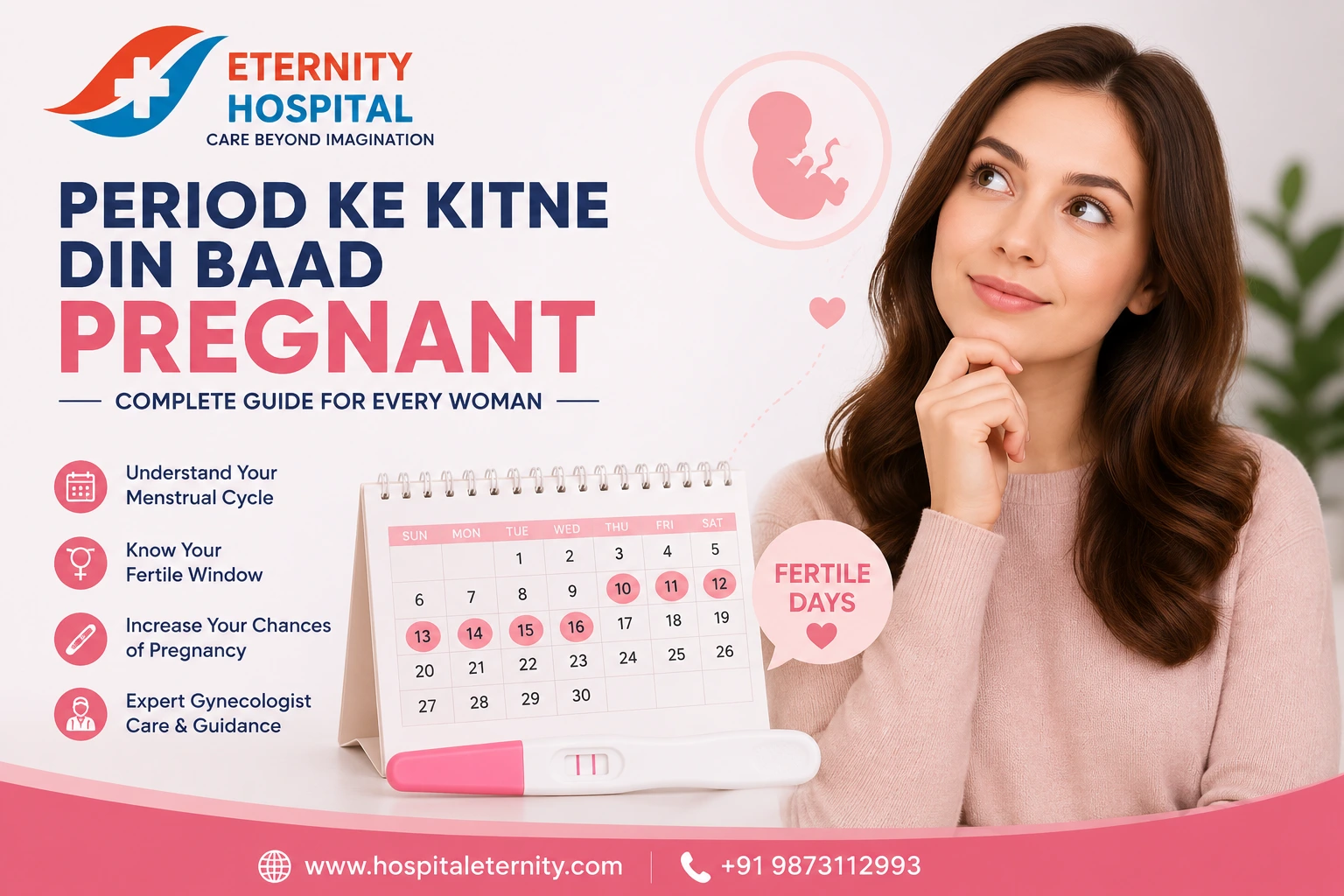
For women with a regular 28-day cycle, the highest chance of pregnancy is usually 10 to 16 days after the first day of the period. Ovulation often occurs around Day 14, making the days just before and after ovulation the most fertile.
Here is a simple example:
Cycle Day Pregnancy Chance
Day 1–5 Very Low
Day 6–9 Low
Day 10–16 Highest
Day 17–28 Gradually Decreases
If your periods are shorter than average, ovulation can occur earlier, increasing the possibility of getting pregnant soon after your period ends. On the other hand, women with longer cycles may ovulate later.
This is why relying only on the calendar method for contraception is not recommended. Even if you think your “safe days” have started, sperm can survive inside the body for several days and fertilize an egg once ovulation occurs.
Can You Get Pregnant Immediately After Your Period?
Yes, it is possible, although the chances depend on your cycle length.
Suppose your period lasts for five days and you have a 21-day menstrual cycle. Ovulation may happen around Day 7 or Day 8. Since sperm can survive up to five days, intercourse immediately after your period can still result in pregnancy.
Women with irregular periods have an even harder time predicting ovulation. Therefore, pregnancy may occur unexpectedly if unprotected intercourse takes place after menstruation.
If you are planning a pregnancy, this knowledge can help you identify your fertile days. If you want to avoid pregnancy, using reliable contraception is much safer than depending on cycle calculations alone.
What Is Ovulation?
Ovulation is the most important event in the menstrual cycle when it comes to pregnancy. It is the process in which a mature egg is released from one of the ovaries and becomes available for fertilization. Typically, ovulation occurs around the middle of the menstrual cycle, but the exact day varies from woman to woman. In a regular 28-day cycle, ovulation usually happens around Day 14. However, women with shorter or longer cycles may ovulate earlier or later. Understanding ovulation is the key to answering the question, “Period ke kitne din baad pregnant ho sakte hain?”
Once the egg is released, it survives for about 12 to 24 hours. During this time, if sperm reaches the egg, fertilization can occur, leading to pregnancy. Sperm, however, can live inside the female reproductive tract for up to 5 days, which means intercourse even several days before ovulation can result in pregnancy. This is why doctors recommend identifying your ovulation day if you are trying to conceive. Many women use ovulation predictor kits, fertility tracking apps, or monitor physical symptoms to determine their fertile window. Understanding your body’s natural rhythm can significantly improve your chances of pregnancy.
How to Identify Ovulation
Many women are unaware of when they ovulate, but the body often provides clear signs. Recognizing these symptoms can help you plan a pregnancy naturally without unnecessary stress. The most reliable way to identify ovulation is by tracking your menstrual cycle for several months. Women with regular cycles can estimate ovulation based on the expected date of their next period. However, if your cycle is irregular, additional methods such as ovulation kits or ultrasound monitoring may be necessary.
Common signs of ovulation include:
- Mild pain on one side of the lower abdomen (Mittelschmerz)
- Increased clear, stretchy cervical mucus resembling egg whites
- Slight rise in basal body temperature
- Increased sexual desire
- Breast tenderness
- Light spotting in some women
If you notice these signs consistently each month, you are likely entering your fertile period. Couples planning pregnancy should have regular intercourse every one to two days during this time for the highest chance of conception.
Which Days Are Most Fertile?
The fertile window usually includes the five days before ovulation, the day of ovulation, and the following day. This six-day period offers the highest possibility of pregnancy because sperm can survive for several days, while the egg remains viable for only about one day. For a woman with a regular 28-day cycle, the fertile window is generally between Day 10 and Day 16.
Cycle Length, Estimated Ovulation, Most Fertile Days
21 Days Day 7 Day 3–8
28 Days Day 14 Day 10–16
30 Days Day 16 Day 12–18
35 Days Day 21 Day 17–23
Timing intercourse during this fertile window greatly improves the chances of pregnancy. Having intercourse every alternate day during these fertile days ensures healthy sperm availability without affecting sperm quality. Couples often worry about missing the exact ovulation day, but regular intercourse throughout the fertile window is usually sufficient.
Can You Get Pregnant During Your Period?
Although uncommon, pregnancy during menstruation is not impossible. Women with shorter menstrual cycles may ovulate soon after their period ends. If intercourse occurs during the last few days of bleeding, sperm may survive inside the reproductive tract long enough to fertilize the egg once ovulation occurs.
For example, a woman with a 21-day cycle who has intercourse on Day 5 may ovulate around Day 7 or 8. Since sperm can survive up to five days, pregnancy can occur. This is one reason why doctors advise against relying solely on the calendar method for contraception. Women with irregular periods face even greater unpredictability because ovulation may occur unexpectedly.
Therefore, if avoiding pregnancy is your goal, use reliable contraception regardless of where you think you are in your cycle.
Factors That Affect Pregnancy Chances
Several factors influence how quickly pregnancy can happen after your period. Age is one of the biggest factors. Women in their 20s generally have higher fertility than women over 35, although many healthy pregnancies occur later with proper medical care. Lifestyle habits such as smoking, excessive alcohol intake, obesity, and chronic stress can negatively affect ovulation and egg quality.
Medical conditions also play a significant role. Disorders such as PCOS (Polycystic Ovary Syndrome), thyroid disease, endometriosis, uterine fibroids, and blocked fallopian tubes can reduce fertility. Male fertility is equally important, as sperm count, motility, and morphology contribute to successful conception.
Maintaining a healthy weight, eating a balanced diet, exercising regularly, sleeping adequately, and avoiding tobacco products can naturally improve fertility. Couples trying to conceive for more than one year (or six months if the woman is over 35) should consult a fertility specialist for evaluation.
Early Pregnancy Symptoms After Ovulation
After successful fertilization, implantation usually occurs 6–12 days after ovulation. Some women notice early pregnancy symptoms before missing their period, while others experience no symptoms at all. Every pregnancy is unique.
Common early signs include:
- Missed period
- Breast tenderness
- Fatigue
- Mild abdominal cramping
- Light implantation bleeding
- Frequent urination
- Morning sickness
- Mood swings
- Food cravings or aversions
These symptoms can resemble premenstrual symptoms, making it difficult to confirm pregnancy based on symptoms alone. A home pregnancy test or blood test remains the most reliable way to know.
When Should You Take a Pregnancy Test?
Taking a pregnancy test too early may result in a false-negative result because the pregnancy hormone (hCG) may not yet be detectable. Most doctors recommend waiting until the first day of your missed period before taking a home pregnancy test. If the result is negative but your period still does not begin, repeat the test after two to three days.
Blood tests performed by a gynecologist can detect pregnancy earlier than urine tests and are often recommended for women undergoing fertility treatment or those with irregular cycles. If you receive a positive pregnancy test, schedule your first prenatal appointment as soon as possible to ensure a healthy pregnancy.
Why Choose Eternity Hospital for Pregnancy Care?
If you are planning a pregnancy or experiencing difficulty conceiving, expert guidance can make all the difference. Eternity Hospital offers comprehensive women’s healthcare services with experienced gynecologists who specialize in fertility evaluation, pregnancy planning, prenatal care, and high-risk pregnancy management.
Our services include:
- Pregnancy planning consultation
- Ovulation monitoring
- Fertility assessment
- PCOS treatment
- Irregular period management
- Early pregnancy diagnosis
- Ultrasound services
- High-risk pregnancy care
- Normal delivery and cesarean section care
Visit https://www.hospitaleternity.com/ to learn more about our gynecology services and schedule an appointment with our experienced specialists.
Conclusion
Understanding the period ke kitne din baad pregnant ho sakte hain helps women make informed decisions about family planning. Pregnancy is most likely during the fertile window, which generally falls around ovulation. However, every woman’s menstrual cycle is different, and factors such as cycle length, hormonal balance, age, and overall reproductive health influence fertility.
Tracking your menstrual cycle, recognizing ovulation symptoms, maintaining a healthy lifestyle, and seeking timely medical advice can significantly improve your chances of conception. If you have irregular periods, difficulty conceiving, or concerns about your reproductive health, consulting an experienced gynecologist is the best step toward achieving a healthy pregnancy.