

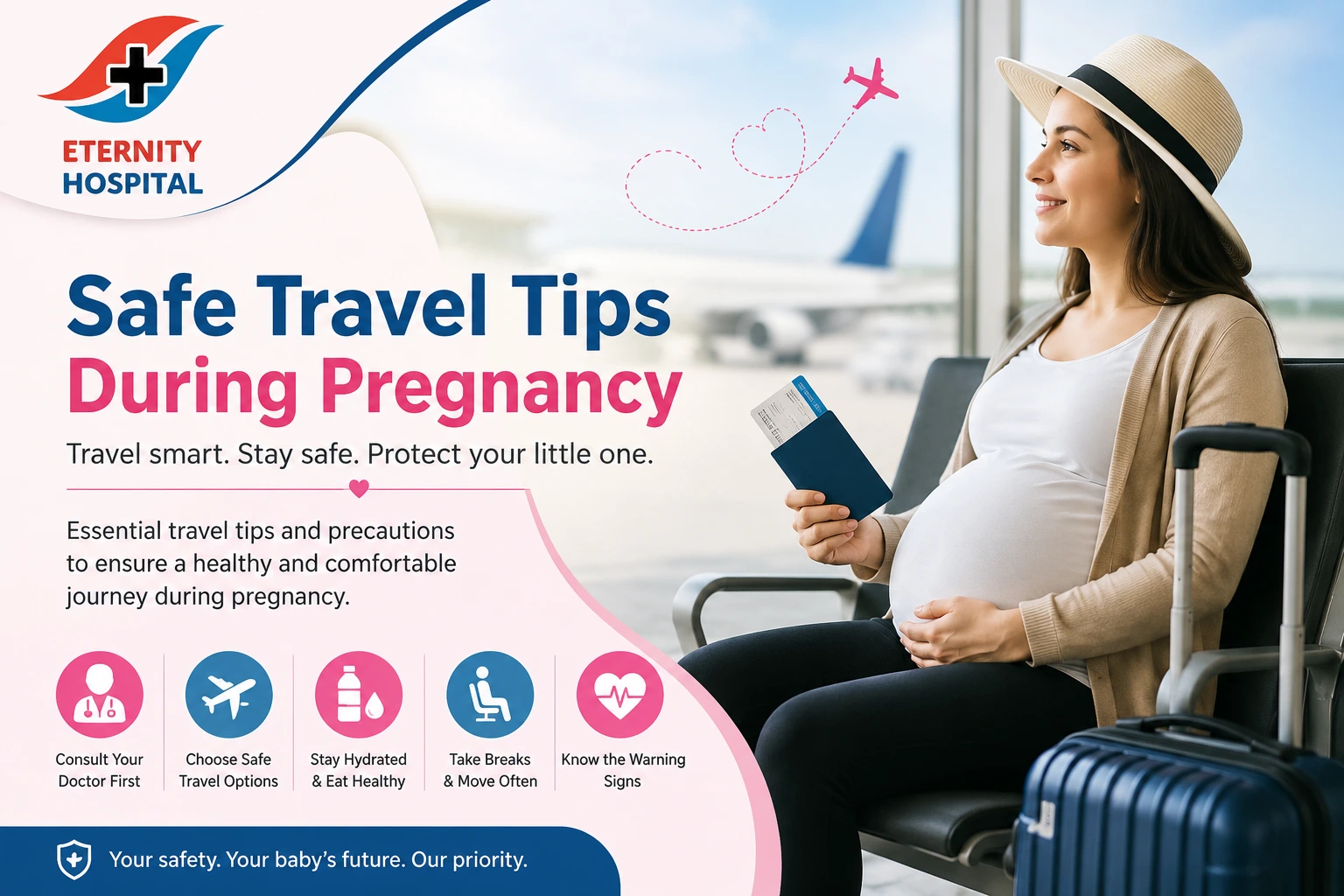
Safe Travel Tips During Pregnancy Air travel is generally considered safe for most pregnant women, especially during the second trimester when morning sickness has usually decreased, and energy levels are higher. This period, often referred to as the “golden trimester,” is typically the most comfortable time for travel because many early pregnancy symptoms have subsided while the physical challenges of late pregnancy have not yet become significant. However, every pregnancy is unique, and consulting your gynecologist before booking a flight is always recommended. Women with high-risk pregnancies, a history of preterm labor, high blood pressure, or other medical complications should seek professional medical advice before making travel plans.
Most airlines allow pregnant women to travel until around 36 weeks for a single pregnancy, but policies can vary significantly between airlines. Some airlines may require a medical certificate after 28 weeks, while others may impose additional restrictions for international flights. Checking the airline’s pregnancy guidelines beforehand can help avoid unexpected issues at the airport and ensure a smooth travel experience. It is also wise to carry copies of your medical records, prenatal reports, and emergency contact information while traveling.
One of the biggest concerns during long flights is reduced circulation caused by sitting for extended periods. Pregnancy already increases the risk of blood clots, and long-haul flights may increase that risk further. To stay safe, pregnant travelers should walk around the cabin every hour whenever possible, perform simple ankle and leg stretches while seated, and wear comfortable clothing that promotes healthy blood circulation. Compression stockings may also be recommended by healthcare providers for women at higher risk.
Hydration plays a crucial role during air travel. Aircraft cabins have low humidity levels that can contribute to dehydration. Pregnant women should drink water regularly throughout the flight and avoid excessive consumption of caffeinated beverages. Keeping healthy snacks such as nuts, fruits, and whole-grain crackers on hand can help maintain stable blood sugar levels and prevent nausea.
Choosing the right seat can significantly improve comfort. An aisle seat provides easier access to the restroom and allows more freedom to stretch and move around. Wearing the seat belt correctly is equally important. The belt should be positioned low across the hips and beneath the growing abdomen rather than across the belly. These simple precautions can make air travel safer and more comfortable throughout pregnancy.
Road Trip Safety Tips for Pregnant Women
Road trips can be enjoyable and convenient during pregnancy, but they require careful planning. Long hours in a vehicle can cause fatigue, back pain, swelling in the legs, and circulation issues. To minimize discomfort, it is advisable to plan regular stops every one to two hours. These breaks provide opportunities to stretch, walk around, and improve blood flow, reducing the risk of complications associated with prolonged sitting.
Proper seat belt use remains one of the most important safety measures during pregnancy. The lap belt should always rest below the abdomen and fit snugly across the hips, while the shoulder belt should pass between the breasts and to the side of the belly. Contrary to common myths, wearing a seat belt during pregnancy protects both mother and baby and significantly reduces the risk of injury in the event of an accident.
Pregnant travelers should avoid driving when feeling tired, dizzy, or experiencing pregnancy-related discomfort such as severe nausea. Fatigue can impair reaction times and increase the likelihood of accidents. Sharing driving responsibilities with another adult can help reduce stress and ensure a safer journey. Carrying healthy snacks, water, medications, and emergency contact information can also make road travel smoother and more secure.
Weather conditions and road quality should be considered before departure. Choosing safer routes, avoiding remote areas when possible, and ensuring the vehicle is in good condition are important steps. A well-planned road trip allows pregnant women to enjoy travel while prioritizing health and safety.
International Travel During Pregnancy
Traveling internationally while pregnant requires additional preparation beyond domestic travel. Different countries may have varying healthcare standards, vaccination requirements, and access to emergency medical services. Researching the destination thoroughly before departure can help ensure a safe and stress-free experience.
Pregnant travelers should purchase travel insurance that specifically covers pregnancy-related medical care and emergencies. Many standard travel insurance policies have limitations regarding pregnancy, so reading the policy details carefully is essential. Knowing the locations of reputable hospitals and healthcare facilities near the destination can provide peace of mind in case unexpected medical attention becomes necessary.
Food and water safety become particularly important when traveling abroad. Consuming contaminated food or water can lead to gastrointestinal illnesses that may cause dehydration and other complications during pregnancy. Drinking bottled or purified water, eating freshly prepared meals, and avoiding undercooked foods can help reduce health risks. Pregnant women should also discuss any required vaccinations or travel-related health precautions with their doctor before departure.
Keeping copies of medical records, prescriptions, and emergency contact information can be extremely helpful when traveling internationally. These documents allow healthcare providers in another country to understand the pregnancy history and provide appropriate care if needed. Careful preparation can make international travel a rewarding experience while minimizing potential risks.
Warning Signs That Require Immediate Medical Attention While Traveling
Although most pregnancies progress normally, certain symptoms during travel should never be ignored. Recognizing warning signs early and seeking prompt medical care can protect both maternal and fetal health. Vaginal bleeding, severe abdominal pain, persistent contractions, and sudden fluid leakage are among the most serious symptoms that require immediate medical evaluation.
Severe headaches, vision changes, dizziness, swelling of the face or hands, and difficulty breathing may indicate potentially serious pregnancy complications such as preeclampsia. These symptoms should be assessed by a healthcare professional as soon as possible. Delaying treatment can increase risks for both mother and baby.
Reduced fetal movement is another important warning sign, especially later in pregnancy. If a pregnant woman notices a significant decrease in her baby’s usual movement pattern, she should contact a healthcare provider immediately. Monitoring fetal activity is a simple but valuable way to assess the baby’s well-being while traveling.
Understanding these warning signs before beginning a trip can help pregnant women respond quickly if problems arise. Having emergency numbers, hospital locations, and health insurance information readily available ensures that medical assistance can be accessed without delay.
Why Choose Eternity Hospital for Pregnancy Care?
Pregnancy is a special journey that deserves expert guidance and compassionate support. At Eternity Hospital, expectant mothers receive comprehensive prenatal care designed to promote a healthy pregnancy and safe delivery. The hospital’s experienced gynecologists and obstetric specialists provide personalized treatment plans, regular health monitoring, and professional advice tailored to each stage of pregnancy.
Whether you need routine prenatal checkups, pregnancy consultations, high-risk pregnancy management, or delivery planning, Eternity Hospital offers advanced medical facilities and patient-centered care. The healthcare team focuses on ensuring the well-being of both mother and baby through evidence-based treatment and continuous support.
For women planning domestic or international travel during pregnancy, the specialists at Eternity Hospital can provide travel fitness assessments, medical advice, and safety recommendations based on individual health conditions. This personalized approach helps expectant mothers travel confidently while minimizing potential risks.
Learn more about pregnancy care and women’s health services at Hospital Eternity and schedule a consultation with experienced gynecologists to ensure a safe and healthy pregnancy journey.
https://www.hospitaleternity.com/cervical-cancer-screening-in-ghaziabad/
https://www.hospitaleternity.com/menopausal-problems-treatment-in-ghaziabad/
https://www.hospitaleternity.com/adolescent-issues-treatment-in-ghaziabad/
https://www.hospitaleternity.com/gynaecological-problems-treatment-in-ghaziabad/
https://www.hospitaleternity.com/best-medical-abortion-in-ghaziabad/
https://www.hospitaleternity.com/caesarean-delivery-in-ghaziabad/
https://www.hospitaleternity.com/best-normal-delivery-in-ghaziabad/
https://www.hospitaleternity.com/best-pregnancy-care-in-ghaziabad/