

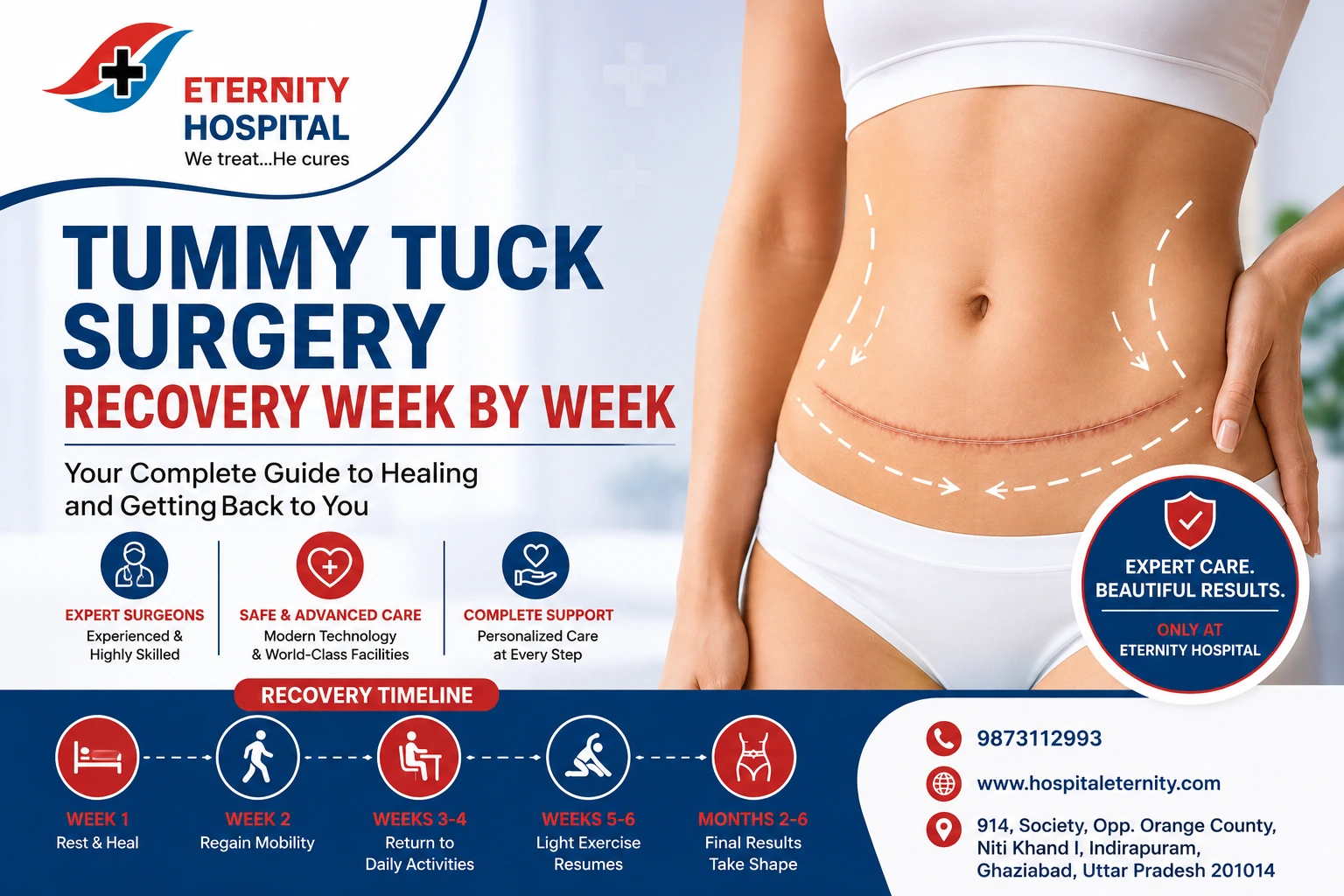
A Tummy Tuck Surgery Recovery Week by Week, medically known as abdominoplasty, is one of the most transformative body-contouring procedures available today. Whether you have experienced significant weight loss, multiple pregnancies, or struggle with excess abdominal skin that refuses to respond to diet and exercise, a tummy tuck can help create a firmer and flatter abdomen. However, achieving the desired results is not only about the surgery itself. The recovery journey plays an equally important role in determining the outcome.
Many patients focus heavily on the procedure and overlook the importance of understanding the healing timeline. Knowing what to expect week by week can reduce anxiety, help you prepare effectively, and ensure a smoother recovery experience. Recovery after a tummy tuck is a gradual process. While initial improvements are visible within weeks, final results can take several months to develop as swelling subsides and tissues heal fully. According to medical experts, most patients return to light daily activities within two to four weeks, while complete healing and result refinement may continue for several months.
If you are considering a tummy tuck procedure in India, the experienced team at Eternity Hospital provides advanced cosmetic and reconstructive surgical care, personalized treatment plans, and dedicated post-operative support to help patients achieve safe and satisfying outcomes.
Understanding Tummy Tuck Surgery
What Is an Abdominoplasty?
A tummy tuck is a surgical procedure that removes excess skin and fat from the abdominal region while tightening weakened or separated abdominal muscles. This procedure is particularly popular among women after pregnancy and individuals who have undergone major weight loss. Unlike weight-loss procedures, a tummy tuck is a body contouring surgery aimed at improving shape and appearance rather than reducing body weight.
The surgery often involves repairing stretched abdominal muscles, removing loose skin, and repositioning the remaining tissues to create a smoother contour. Depending on the patient’s needs, the surgeon may perform a mini tummy tuck, a full tummy tuck, or an extended abdominoplasty. In some cases, liposuction is combined with the procedure for enhanced contouring results.
Many people mistakenly assume that results appear immediately after surgery. While a flatter abdomen is often noticeable right away, swelling and healing processes can temporarily mask the outcome. Understanding this reality helps patients maintain realistic expectations and remain patient throughout recovery.
Who Is a Good Candidate for a Tummy Tuck?
The ideal candidate for tummy tuck surgery is someone who is close to their target weight, in good overall health, and has realistic expectations about the procedure. Patients who have excess abdominal skin after childbirth or major weight loss often experience the greatest benefits.
Candidates should ideally be non-smokers or willing to stop smoking before and after surgery because tobacco use can significantly impair healing and increase complication risks. Patients planning future pregnancies may be advised to postpone surgery since pregnancy can affect the surgical results.
Choosing a qualified and experienced surgeon is equally important. Facilities such as Eternity Hospital focus on comprehensive patient evaluation, individualized surgical planning, and long-term follow-up care to optimize outcomes and support safe recovery.
Why Recovery Matters After Tummy Tuck Surgery
Healing Beyond the Operating Room
The surgery itself may take only a few hours, but recovery extends over several weeks and months. Recovery is the period during which the body repairs tissues, reduces inflammation, and adapts to the newly contoured abdominal structure. Proper recovery can significantly influence scar appearance, comfort levels, and overall satisfaction with the final result.
Patients who carefully follow post-operative instructions often experience fewer complications and smoother healing. Surgeons commonly emphasize early walking, proper hydration, the use of a compression garment, and avoiding strenuous activity during the healing phase. These seemingly simple actions can have a substantial impact on outcomes.
Factors That Affect Recovery Speed
Not all patients heal at the same pace. Several factors can influence recovery duration, including age, general health, surgical technique, adherence to instructions, and whether additional procedures such as liposuction were performed.
A younger patient with excellent overall health may recover faster than someone managing chronic health conditions. Similarly, extensive procedures involving muscle repair often require longer healing periods than less invasive alternatives. Understanding these variables helps patients appreciate that recovery timelines are guidelines rather than rigid rules.
Week-by-Week Tummy Tuck Recovery Timeline
Week 1 – Managing Pain, Swelling, and Rest
The first week is often considered the most challenging phase of recovery. During this period, patients commonly experience swelling, bruising, tightness, and discomfort around the surgical area. Pain medications prescribed by the surgeon help effectively manage discomfort.
Most patients are encouraged to begin short walks shortly after surgery to improve circulation and reduce the risk of blood clots. Although movement is important, strenuous activities must be avoided. Patients typically wear compression garments continuously and may have surgical drains in place to prevent fluid accumulation.
Many people cannot stand completely upright during the first week because their abdomens feel tight. Assistance with daily activities is often necessary. Planning for help at home before surgery can make this stage considerably easier and less stressful.
Week 2 – Regaining Mobility and Confidence
By the second week, discomfort usually begins to improve noticeably. Swelling remains present but gradually decreases. Patients often become more independent and may require less assistance with routine tasks.
Walking becomes easier, and energy levels begin to improve. Some individuals with desk-based jobs may discuss returning to work with their surgeon, although recovery experiences vary significantly. Bruising typically begins to fade during this period, and patients often gain confidence as visible improvements emerge.
Despite feeling better, it is important not to overexert yourself. Internal tissues continue healing even when external symptoms appear improved. Pushing too hard too early can prolong recovery and compromise results.
Week 3 – Returning to Daily Activities
Week three often represents a turning point in recovery. Many patients feel substantially more comfortable and can resume certain light daily activities. Walking longer distances becomes easier, and posture gradually returns to normal.
Swelling continues to diminish, although it remains noticeable. The abdominal area may still feel tight, numb, or slightly tender. These sensations are normal components of the healing process and usually improve with time. Many patients report feeling more like themselves during this stage.
Although progress can be encouraging, lifting heavy objects and intense exercise remain off-limits. Patience remains essential for protecting the surgical repair and ensuring optimal long-term outcomes.
Week 4 – Visible Improvements Begin
By the fourth week, many patients experience significant improvements in comfort, mobility, and appearance. Swelling has reduced enough that the abdominal contour is more apparent. Clothing often fits better, and confidence levels frequently increase.
Some individuals may return to office-based work and light social activities if approved by their surgeon. However, heavy lifting and strenuous physical activity should still be avoided. Scar care protocols may begin during this period, depending on the surgeon’s recommendations.
This stage can be emotionally rewarding because the physical transformation becomes increasingly visible. Nevertheless, final results are still developing beneath the surface.
Weeks 5–6 – Resuming Light Exercise
Around weeks five and six, many patients receive clearance to gradually resume low-impact activities such as stationary cycling, gentle stretching, and extended walking routines. Most bruising has resolved, and swelling continues to decrease. The abdominal shape becomes more defined and natural-looking.
Compression garments may still be recommended, though usage requirements often decrease according to the surgeon’s protocol. Patients generally report improved energy levels and reduced discomfort. Returning to more normal daily routines becomes increasingly feasible.
This stage often requires balancing enthusiasm with caution. While progress is exciting, the abdominal muscles continue healing internally and remain vulnerable to excessive strain.
Months 2–3 – Significant Healing Progress
During months two and three, recovery advances substantially. Most patients have returned to many of their normal activities, and the majority of swelling has resolved. Exercise routines may gradually expand under medical guidance.
Abdominal contours appear smoother, flatter, and more refined. Patients often notice improved posture and enhanced confidence when wearing fitted clothing. Although residual swelling can still fluctuate, the overall appearance becomes increasingly stable.
Many patients describe this period as the moment when they truly begin appreciating the full benefits of their surgery. Daily reminders of discomfort become less frequent, and attention shifts toward enjoying the results.
Months 3–6 – Refining Final Results
The final stages of recovery involve ongoing scar maturation and subtle contour refinement. Residual swelling continues to diminish, and scars gradually soften and fade. Most surgeons consider results near-final by six months, although scar improvement may continue for up to a year.
This period highlights the importance of maintaining a healthy lifestyle. Stable weight management, regular exercise, proper hydration, and balanced nutrition help preserve surgical results for many years. Patients who maintain healthy habits often enjoy long-lasting satisfaction with their new abdominal contour.
Common Symptoms During Recovery
Swelling, Bruising, and Tightness
Swelling is perhaps the most common and longest-lasting symptom following tummy tuck surgery. It is a natural response to surgical trauma and gradually improves over several months. Bruising generally resolves within a few weeks, while sensations of tightness may persist longer due to muscle repair and tissue repositioning.
SymptomTypical Duration
Pain and discomfort 1–2 weeks
Bruising 2–4 weeks
Swelling for several months
Tightness Weeks to months
Scar maturation Up to 12 months
Scar Healing and Management
Scarring is an unavoidable aspect of tummy tuck surgery, but proper care can significantly improve its appearance. Surgeons may recommend silicone gels, silicone sheets, massage techniques, and sun protection strategies to support optimal scar healing. Consistency is key, and patients should follow professional guidance carefully.
Recovery Tips for Faster Healing
Nutrition and Hydration
Your body functions like a construction site during recovery. Proteins provide building materials, vitamins support repair mechanisms, and hydration ensures efficient nutrient delivery. Consuming lean proteins, fruits, vegetables, and adequate water can positively influence healing outcomes.
Avoiding excessive sodium intake may also help reduce swelling. Patients should limit alcohol consumption and follow all dietary recommendations provided by their surgical team.
Following Your Surgeon’s Instructions
No recovery guide can replace personalized medical advice. Following your surgeon’s instructions regarding medications, compression garments, activity restrictions, and follow-up appointments remains one of the most effective ways to support successful healing.
Patients who attend scheduled check-ups allow surgeons to monitor progress, address concerns promptly, and identify potential complications before they become serious.
Why Choose Eternity Hospital for Tummy Tuck Surgery
Advanced Surgical Expertise
When considering a cosmetic procedure such as abdominoplasty, selecting the right healthcare provider is essential. Eternity Hospital is committed to delivering patient-centered care supported by experienced medical professionals, advanced surgical techniques, and modern facilities.
Comprehensive Post-Operative Care
Recovery support is just as important as the operation itself. At Eternity Hospital, patients receive detailed guidance before and after surgery, helping them navigate each stage of the recovery journey with confidence. Personalized follow-up care, clear instructions, and dedicated support contribute to safer healing and improved outcomes.
Conclusion
A tummy tuck can be a life-changing procedure for individuals seeking a firmer, flatter, and more contoured abdomen. While the surgery itself marks the beginning of the transformation, recovery is where the real magic happens. Understanding the week-by-week healing process helps patients prepare physically and mentally for the journey ahead.
From managing swelling and discomfort during the first week to enjoying refined results months later, each stage serves a purpose in achieving the best possible outcome. Patience, proper care, and adherence to medical guidance are the foundations of a successful recovery
https://www.hospitaleternity.com/vitiligo-treatment-in-ghaziabad/
https://www.hospitaleternity.com/buttock-augmentation-surgery-in-ghaziabad/
https://www.hospitaleternity.com/lipoma-removal-surgery-in-ghaziabad/
https://www.hospitaleternity.com/weight-loss-surgery-in-ghaziabad/
https://www.hospitaleternity.com/mommy-makeover-surgery-in-ghaziabad/
https://www.hospitaleternity.com/best-liposuction-surgery-in-ghaziabad/
https://www.hospitaleternity.com/body-lift-surgery-in-ghaziabad/
https://www.hospitaleternity.com/best-tummy-tuck-surgery-in-ghaziabad/