

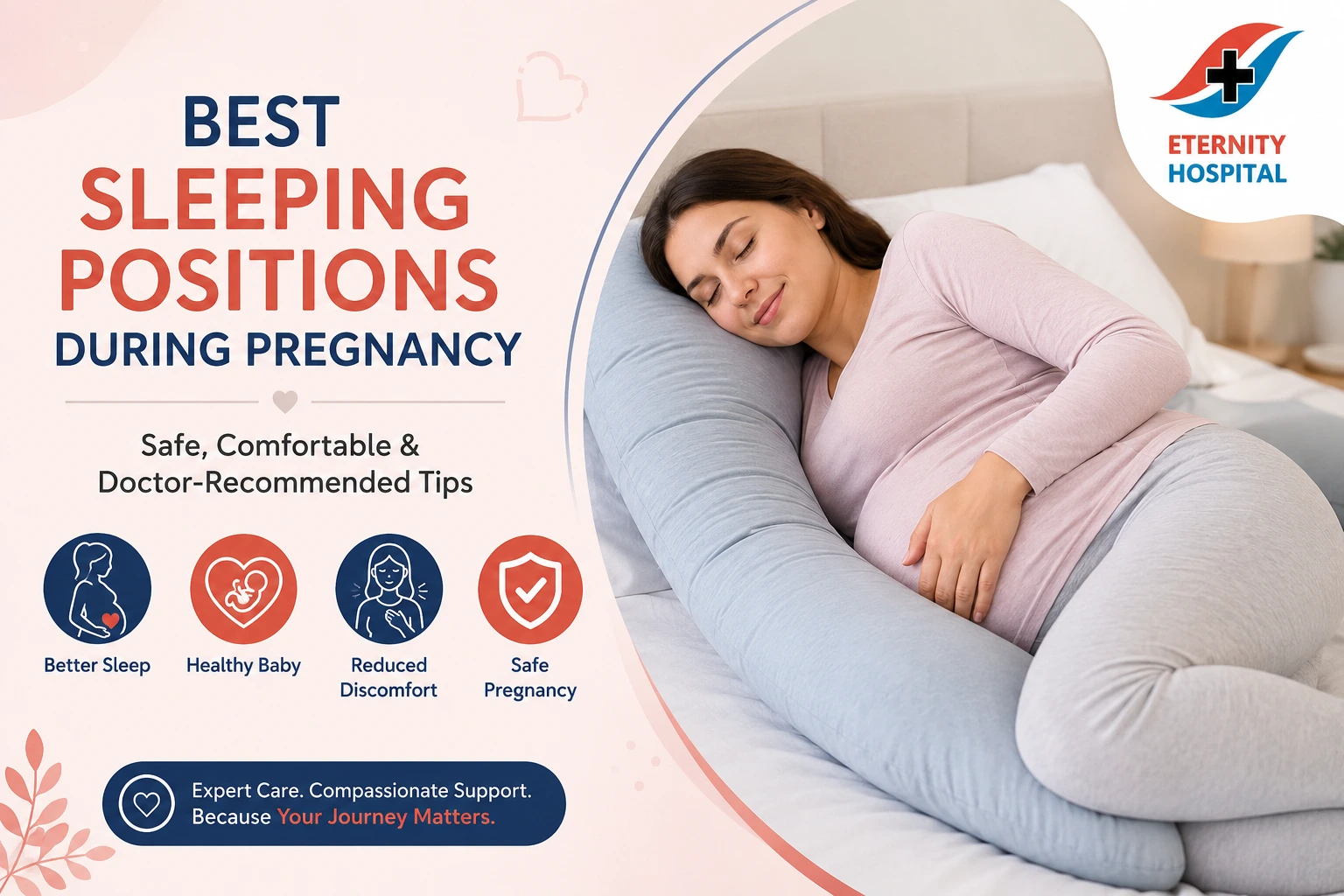
Best Sleeping Positions During Pregnancy
Best Sleeping Positions During Pregnancy has become one of the biggest concerns for expecting mothers as the body changes week after week. One day, you are sleeping comfortably, and suddenly your growing baby bump, back pain, frequent urination, and heartburn start turning bedtime into a challenge. Pregnancy is beautiful, but let’s be honest — getting proper sleep during these months can feel like trying to find the perfect spot on a crowded sofa. You toss and turn, adjust the pillows, and still wake up tired. That’s exactly why understanding the right sleeping positions is so important.
Doctors and sleep experts now recommend side sleeping, especially during the second and third trimesters, because it helps improve blood circulation and reduces pressure on major blood vessels. Recent medical guidance from pregnancy sleep experts also confirms that prolonged back sleeping later in pregnancy may reduce blood flow and increase discomfort. Pregnancy sleep is not just about comfort anymore; it directly affects maternal health, oxygen supply, swelling, and overall well-being.
Many pregnant women panic when they wake up on their back or feel uncomfortable on one side. The good news is that your body usually signals discomfort before any serious issue develops. The key is building healthy sleeping habits early and learning simple tricks that make sleep easier. Hospitals with experienced maternity specialists, such as Hospital Eternity, often guide mothers on healthy sleep habits
as part of comprehensive prenatal care. Understanding these positions can help you feel more rested, more energetic, and emotionally better throughout pregnancy.
Why Sleep Position Matters During Pregnancy
Pregnancy changes nearly every system inside the body. Hormones fluctuate, weight distribution shifts, ligaments loosen, and organs slowly adjust to make room for the growing baby. Because of these changes, sleeping positions that once felt normal may suddenly become painful or uncomfortable. Sleep posture influences circulation, spinal alignment, breathing patterns, and even digestion. That’s why doctors discuss sleep positions seriously during prenatal checkups.
One of the major reasons experts emphasize side sleeping is the role of the inferior vena cava, a large vein that carries blood back to the heart. When a pregnant woman lies flat on her back in the later stages of pregnancy, the growing uterus may compress this vein. This can reduce circulation and, in some cases, cause dizziness, nausea, or shortness of breath. According to recent pregnancy sleep recommendations, side sleeping improves blood flow to both mother and baby.
Another important factor is spinal pressure. Pregnancy naturally shifts the center of gravity forward. Sleeping improperly may worsen lower back pain, hip pain, or pelvic discomfort. Poor sleeping posture can also increase swelling in the legs and feet by reducing circulation. Think of your body like a busy highway during pregnancy — the right sleeping position keeps traffic moving smoothly, while the wrong position creates a painful traffic jam.
Many expecting mothers also experience emotional stress and anxiety, which can already make sleep difficult. Choosing comfortable and medically recommended sleeping positions helps improve sleep quality, allowing the body to recover properly overnight. Better sleep often means better mood, improved energy levels, and healthier pregnancy experiences overall.
Best Sleeping Positions During Pregnancy by Trimester
First Trimester Sleeping Positions
During the first trimester, most women can sleep comfortably in almost any position. The uterus is still relatively small, and there is usually less physical pressure on internal organs. Many women continue sleeping on their back or stomach without problems during these early weeks. Experts generally agree that these positions are considered safe early in pregnancy as long as they remain comfortable.
Still, this trimester is the ideal time to begin training yourself to sleep on your side. Building the habit early becomes incredibly helpful later, as the baby bump grows. Side sleeping may feel strange at first if you are naturally a back sleeper, but gradual adjustments make the transition easier. Using a soft pillow between the knees can reduce strain on the hips and help maintain spinal alignment.
Hormonal changes during the first trimester can already disturb sleep. Increased progesterone often causes daytime fatigue while making nighttime sleep surprisingly restless. Frequent urination and nausea may also interrupt deep sleep cycles. Because of this, establishing a healthy bedtime routine early becomes important. Try sleeping in a cool, dark room and avoid excessive screen time before bed.
Second Trimester Sleeping Positions
The second trimester is usually when sleep positions become more medically important. The growing uterus places increasing pressure on blood vessels and internal organs. Doctors commonly recommend side sleeping during this stage because it improves circulation and supports the baby’s oxygen supply. Left-side sleeping is often considered ideal, although right-side sleeping is also generally safe.
Many women notice that stomach sleeping becomes awkward or even impossible during this trimester. Back sleeping may also lead to discomfort, dizziness, or breathing difficulties. If you experience sweating, nausea, or pressure when lying flat, your body may already be signaling discomfort with back sleeping.
This trimester is also when pregnancy pillows become lifesavers. A pillow under the belly can reduce pulling sensations, while a pillow between the knees keeps the hips aligned. Some women prefer U-shaped or C-shaped pregnancy pillows because they support the entire body. These adjustments can dramatically improve sleep quality and reduce morning stiffness.
Third Trimester Sleeping Positions
The third trimester is often the most challenging stage for sleep. The baby is larger, movements become stronger, and physical discomfort usually increases. Side sleeping becomes strongly recommended during this phase because prolonged back sleeping may compress major blood vessels.
Many women wake up multiple times due to leg cramps, heartburn, pelvic pressure, or shortness of breath. At this stage, comfort becomes all about support and positioning. Sleeping slightly tilted, with pillows behind the back, often helps prevent rolling onto the back during sleep.
Left-side sleeping remains the preferred recommendation because it promotes optimal circulation and reduces liver pressure. However, right-sided sleeping is still considered acceptable if it feels more comfortable. The main goal is avoiding long periods flat on the back while ensuring restful sleep.
Why Left Side Sleeping is Recommended
Doctors frequently call left-sided sleeping the “gold standard” during pregnancy. This position supports healthy circulation by reducing pressure on the inferior vena cava and improving blood return to the heart. Better circulation means improved oxygen and nutrient delivery to the placenta and baby.
Left-side sleeping also supports kidney function, helping the body remove waste and excess fluids more efficiently. This can reduce swelling in the feet, ankles, and hands — something many pregnant women desperately want relief from. It may also reduce pressure on the liver because the liver sits primarily on the right side of the body.
For mothers with acid reflux or heartburn, sleeping on the left side can sometimes improve digestion and reduce nighttime discomfort. It’s almost like giving your body a smoother operating system during sleep. Blood flows better, organs function more comfortably, and the body experiences less strain overall.
That said, pregnancy should not become a stressful “perfect sleeping position competition.” Experts emphasize that sleeping on either the left or the right side is generally safe. Comfort matters too. If your left hip becomes painful or numb, switching sides is completely acceptable.
Is Sleeping on the Right Side Safe During Pregnancy?
Many pregnant women panic after hearing that only the left side is safe, but recent evidence suggests that right-side sleeping is also acceptable for most pregnancies. Research reviews found no strong evidence that right-sided sleeping alone increases pregnancy risks.
The real concern is prolonged flat back sleeping later in pregnancy, not occasional right-side sleeping. In fact, switching sides throughout the night can actually help reduce hip pain and shoulder pressure. Pregnancy already places enormous stress on muscles and joints, so alternating sides can significantly improve comfort.
Some women naturally sleep better on the right side due to existing back pain, breathing patterns, or mattress setup. The most important thing is obtaining enough restful sleep. Constantly worrying about “perfect” sleeping posture may increase anxiety and worsen insomnia.
Think about it this way: pregnancy sleep is about balance, not perfection. Your body is smart. If a position becomes problematic, you will usually wake up naturally and shift positions. Using supportive pillows behind the back can also help maintain a comfortable side-lying posture throughout the night.
Sleeping Positions to Avoid During Pregnancy
Risks of Sleeping on Your Back
Back sleeping becomes less recommended after the first trimester because the uterus becomes heavy enough to compress major blood vessels. This compression can reduce blood flow and sometimes trigger symptoms such as dizziness, nausea, headaches, or breathing discomfort.
Back sleeping may also worsen snoring and sleep apnea during pregnancy. Many pregnant women already experience airway swelling due to hormonal changes, and lying flat can make breathing more difficult. Poor sleep quality then creates a frustrating cycle of fatigue, irritability, and stress.
Another major issue is lower back pain. The growing belly increases spinal pressure, and back sleeping often intensifies this strain. Women who sleep flat may wake up with stiffness, soreness, or numbness in the hips and pelvis.
Why Stomach Sleeping Becomes Difficult
Early-pregnancy stomach sleeping is generally safe if it’s comfortable. But as the belly expands, stomach sleeping becomes increasingly impractical and uncomfortable. Most women naturally stop sleeping on their stomachs once the uterus grows larger.
The body usually guides this transition automatically. It starts feeling like lying on an inflated exercise ball — awkward, unstable, and uncomfortable. Special pregnancy pillows with belly cutouts are available, but most women find side sleeping far more practical later in pregnancy.
Common Sleep Problems During Pregnancy
Pregnancy introduces many unexpected sleep challenges beyond the sleeping position itself. Back pain, leg cramps, pelvic pressure, frequent urination, and heartburn can all interrupt sleep repeatedly. Some women also experience vivid dreams or anxiety related to childbirth and parenting.
Hormonal changes affect sleep cycles significantly. Progesterone increases daytime sleepiness but may disrupt deep, restorative sleep at night. Anxiety also plays a huge role. Many mothers worry about labor, baby health, finances, or balancing future responsibilities.
Heartburn is another major issue, especially during the third trimester. Elevating the upper body slightly with pillows often helps reduce acid reflux symptoms. Sleeping immediately after heavy meals usually worsens discomfort.
Breathing changes can also affect sleep. Some women notice increased snoring or mild sleep apnea symptoms during pregnancy. If breathing problems become severe, medical consultation is important because untreated sleep apnea may affect pregnancy health.
How Pregnancy Pillows Improve Sleep
Pregnancy pillows are not just trendy accessories — they genuinely help improve posture and reduce strain. Full-body pillows provide support for the belly, hips, knees, and back simultaneously. Many women describe them as the difference between “surviving sleep” and actually resting comfortably.
A pillow between the knees helps maintain pelvic alignment and reduces pressure on the lower spine. Studies and sleep experts also note that knee support improves spinal comfort during side sleeping. A small wedge pillow under the belly reduces pulling sensations and supports abdominal weight.
Some women prefer U-shaped pillows because they support both sides of the body, while others like C-shaped pillows for flexibility. Even ordinary household pillows can create a supportive “pillow fort” that keeps the body stable during sleep.
Tips to Sleep Better During Pregnancy
Improving sleep during pregnancy often requires small lifestyle adjustments. Avoiding caffeine late in the day, maintaining a regular bedtime schedule, and limiting screen exposure before sleep can significantly improve sleep quality. Gentle stretching or prenatal yoga may also relax tight muscles.
Eating smaller meals at night helps reduce heartburn. Staying hydrated during the day but limiting fluids right before bedtime may reduce nighttime bathroom trips. A cool, dark sleeping environment also promotes deeper sleep.
Relaxation techniques matter too. Deep breathing, calming music, or reading before bed can reduce stress hormones and help the body relax naturally. Sleep is not just physical during pregnancy — emotional calmness matters equally.
If insomnia becomes severe or persistent, speaking with a healthcare professional is important. Sometimes, underlying conditions such as anxiety, restless leg syndrome, or sleep apnea require medical evaluation.
When to Talk to a Doctor About Pregnancy Sleep Problems
Occasional sleep discomfort is completely normal during pregnancy, but severe or ongoing sleep issues deserve medical attention. Symptoms like extreme snoring, breathing pauses during sleep, severe swelling, chest discomfort, or chronic insomnia should not be ignored.
Persistent dizziness while lying down may also require evaluation. Some women develop pregnancy-related conditions that affect circulation or breathing. Early medical guidance helps prevent complications and improves overall pregnancy comfort.
Professional maternity care providers can offer personalized advice based on your trimester, medical history, and symptoms. This is why choosing a trusted maternity hospital matters throughout pregnancy.
Why Choose Hospital Eternity for Pregnancy Care
Pregnancy care is about much more than routine checkups. Mothers need guidance, emotional reassurance, expert monitoring, and personalized support throughout every trimester. Hospital Eternity provides comprehensive maternity and women’s healthcare services designed to support both mother and baby at every stage of pregnancy.
From prenatal consultations and pregnancy monitoring to delivery care and postnatal support, experienced specialists help mothers manage pregnancy discomforts, including sleep challenges, back pain, swelling, and overall wellness. Having expert medical guidance during pregnancy gives families confidence and peace of mind.
A trusted maternity hospital also ensures timely medical support if sleep disturbances or pregnancy symptoms become concerning. Personalized advice from experienced obstetricians can make pregnancy safer, healthier, and far less stressful.
Conclusion
Finding the Best Sleeping Positions During Pregnancy can completely transform the pregnancy experience. Good sleep supports physical recovery, emotional well-being, circulation, and overall maternal health. Side sleeping — especially left-side sleeping — remains the most recommended posture during later pregnancy because it improves blood flow and reduces pressure on important blood vessels.
At the same time, pregnancy sleep should not become a source of fear or anxiety. Waking up occasionally on your back is common, and right-side sleeping is generally considered safe for most women. The goal is comfortable, restorative sleep supported by healthy habits and proper body alignment.
Using pregnancy pillows, maintaining a calming bedtime routine, and seeking professional guidance when needed can make a tremendous difference. Pregnancy is already a journey full of change, excitement, and emotion — restful sleep helps make that journey healthier and more manageable for both mother and baby.
https://www.hospitaleternity.com/gynaecological-problems-treatment-in-ghaziabad/
https://www.hospitaleternity.com/cervical-cancer-screening-in-ghaziabad/
https://www.hospitaleternity.com/menopausal-problems-treatment-in-ghaziabad/
https://www.hospitaleternity.com/adolescent-issues-treatment-in-ghaziabad/
https://www.hospitaleternity.com/best-medical-abortion-in-ghaziabad/
https://www.hospitaleternity.com/caesarean-delivery-in-ghaziabad/
https://www.hospitaleternity.com/best-normal-delivery-in-ghaziabad/
https://www.hospitaleternity.com/best-pregnancy-care-in-ghaziabad/