

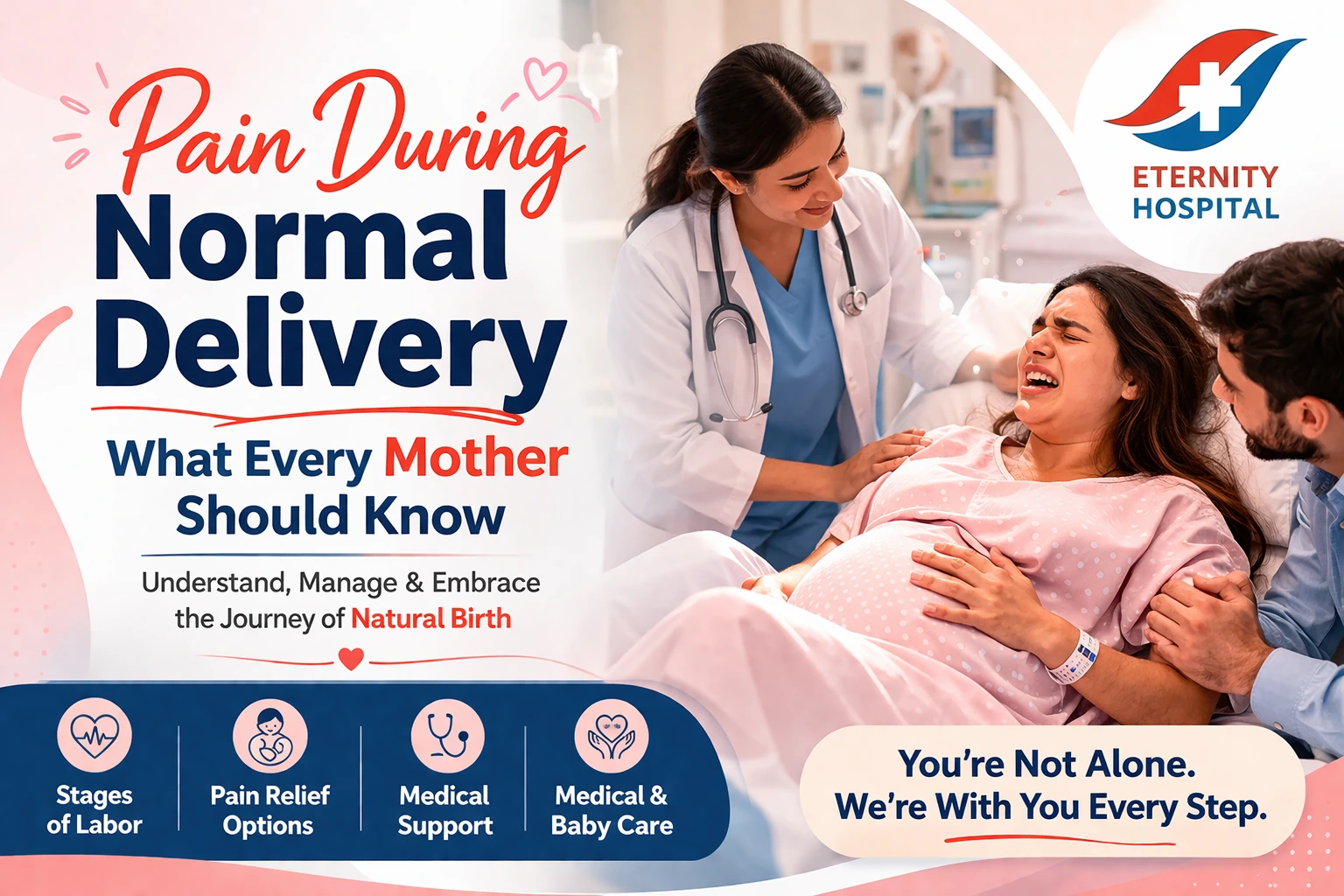
Understanding Normal Delivery Pain
What Causes Pain During Labor?
If you’ve ever wondered why labor pain is often described as intense, the answer lies in the body’s natural mechanics. During normal delivery, the uterus contracts repeatedly to push the baby down through the birth canal. These contractions gradually increase in intensity and frequency, leading to stretching of the cervix, vagina, and surrounding tissues. According to medical research, labor pain is a multidimensional physiological process involving uterine contractions, cervical dilation, and pressure on pelvic structures. Understanding the Pain During Normal Delivery: is crucial for expecting mothers.
Think of it like running a marathon—but instead of muscles in your legs, it’s your entire reproductive system working overtime. The body is doing something extraordinary, and that effort comes with discomfort. The pain also includes nerve signals triggered by pressure and stretching, especially as the baby descends. For many women, the sensation starts as lower back pain and gradually moves to the abdomen, becoming stronger and more rhythmic as labor progresses.
Interestingly, this pain isn’t harmful—it’s purposeful. It helps guide the process and signals progress. Each contraction brings the baby closer to birth. So while the intensity may feel overwhelming at times, it’s actually a sign that your body is doing exactly what it’s designed to do.
Knowing about the Pain During Normal Delivery: can help you prepare mentally and emotionally for childbirth.
How Intense Is Labor Pain?
Let’s be real—labor pain can be intense, but it varies widely from woman to woman. Some describe it as strong menstrual cramps, while others say it’s the most intense sensation they’ve ever experienced. Studies show that about 30–35% of women experience severe pain, and around 15–20% describe it as unbearable without pain relief.
In summary, understanding the Pain During Normal Delivery: is crucial for expectant mothers to prepare for labor and manage their experience effectively.
But here’s the twist—pain perception is highly individual. Your body, mindset, preparation, and support system all play a role. Two women can go through the same delivery process but have completely different experiences. One might feel in control, while the other feels overwhelmed.
Another important thing to understand is that labor pain comes in waves. Unlike continuous pain, contractions rise, peak, and then fade, giving your body short breaks in between. This pattern makes it more manageable than you might expect. Many women find that focusing on breathing or rhythm helps them cope better during these peaks.
So yes, labor pain is real—but it’s also temporary, meaningful, and often manageable with the right support and preparation.
Stages of Labor Pain Explained
Early Labor Stage
Early labor is where everything begins, and surprisingly, it’s often the longest phase. During this stage, contractions start mild and irregular. You might feel something similar to menstrual cramps or lower back discomfort. These contractions gradually become more consistent as the cervix begins to open.
This phase can last several hours, especially for first-time mothers. The pain is usually manageable, allowing you to walk, talk, and even rest between contractions. Think of it as the “warm-up phase” before the real intensity kicks in. It’s your body preparing for the main event.
What’s important here is not to panic. Many women mistake early labor for false alarms. But real labor pain gradually increases in intensity, duration, and frequency—unlike false labor, which stays irregular.
Active Labor Stage
Now things get serious. In active labor, contractions become stronger, longer, and closer together. You may feel intense pressure in your abdomen, back, and pelvis. At this point, the cervix dilates more rapidly, and the pain becomes harder to ignore.
This is the stage where many women head to the hospital. The contractions can last up to a minute and come every few minutes, leaving little time to relax in between. The sensation may feel like waves wrapping around your body, tightening and releasing.
Despite the intensity, this stage is also when significant progress happens. Your body is working efficiently, and each contraction is moving you closer to delivery. Support from medical professionals and loved ones becomes crucial here.
Transition Stage
The transition stage is often considered the most intense part of labor. It’s short but powerful. Contractions are very strong, very close together, and can feel overwhelming. You might experience nausea, shaking, or even emotional highs and lows.
But here’s the good news—this stage means you’re almost there. The cervix is reaching full dilation, and your body is preparing for the final push. Many women feel like they can’t go on during this stage, but that’s actually a sign that delivery is near.
It’s like climbing a steep hill right before reaching the peak—the hardest part comes just before the reward.
Pushing Stage
This is the final stage, where your efforts combine with contractions to deliver the baby. Surprisingly, many women find this stage more manageable than the transition because they can actively participate by pushing.
The pain shifts from contraction-based discomfort to intense pressure. Some describe it as a strong urge similar to needing to defecate. This is your body guiding you naturally.
While there may be discomfort, there’s also a sense of control and purpose. And once the baby is born, the pain quickly subsides, replaced by relief and joy.
Factors That Influence Pain Levels
Physical Factors
Not all labor experiences are the same, and physical factors play a major role in determining pain levels. These include the baby’s size, position, and how quickly labor progresses. A larger baby or an unusual position can increase pressure and discomfort.
The strength of contractions also varies. Some women experience more intense contractions due to hormonal differences or medical induction. Additionally, first-time mothers often experience longer and more painful labor compared to those who have given birth before.
Emotional and Psychological Factors
Believe it or not, your mind has a powerful impact on how you perceive pain. Anxiety, fear, and lack of information can amplify discomfort. On the other hand, confidence, relaxation, and preparation can significantly reduce perceived pain.
Studies have shown that women who use coping techniques like controlled breathing and relaxation experience reduced pain intensity and shorter labor duration.
Think of it like this—if your mind is calm, your body follows.
Hospital and Medical Support
The environment where you give birth matters more than you might think. Access to trained doctors, nurses, and pain relief options can dramatically improve your experience. In fact, studies in India have shown that women in private hospitals with better access to analgesia report significantly lower pain levels compared to those without such support.
Choosing the right hospital ensures not just safety, but also comfort and emotional support during one of the most important moments of your life.
How Long Does Labor Pain Last?
Labor duration varies widely. For first-time mothers, it can last anywhere from 12 to 18 hours, while subsequent deliveries are often shorter. The pain doesn’t stay constant—it increases gradually and peaks during the later stages.
What’s important to remember is that labor pain is temporary. Unlike chronic pain, it has a clear beginning and end. Each contraction brings you closer to meeting your baby.
Natural Ways to Manage Pain
Breathing Techniques
Breathing is one of the simplest yet most effective ways to manage labor pain. Controlled breathing helps relax your body and reduces tension during contractions. It also ensures a steady oxygen supply for both mother and baby.
Movement and Positioning
Walking, changing positions, or using a birthing ball can help reduce discomfort. Movement encourages the baby to descend and can make contractions more effective.
Mental Preparation
Preparation is key. Attending prenatal classes, understanding the process, and building confidence can make a huge difference. When you know what to expect, fear reduces—and so does pain perception.
Medical Pain Relief Options
Epidural Analgesia
An epidural is one of the most effective methods for pain relief during labor. It significantly reduces pain while allowing you to stay awake and participate in delivery. Globally, it is considered the gold standard for labor pain management.
Other Medical Methods
Other options include injections, gas inhalation, and local anesthesia. These methods vary in effectiveness and are chosen based on individual needs and medical advice.
Benefits of Normal Delivery Despite Pain
Normal delivery offers several advantages that often outweigh the temporary discomfort. Recovery is usually faster compared to cesarean delivery, allowing mothers to return to normal activities sooner. It also reduces the risk of surgical complications and promotes early bonding with the baby.
Additionally, babies born through normal delivery are exposed to beneficial bacteria that help strengthen their immune system. The experience, though challenging, is often empowering and fulfilling.
Tips for a Smoother Delivery Experience
Preparing for childbirth can make a huge difference. Stay active during pregnancy, eat a balanced diet, and attend regular check-ups. Surround yourself with a supportive team and choose a hospital that prioritizes both safety and comfort.
Trust your body—it knows what to do.
Why Choosing the Right Hospital Matters
When it comes to managing labor pain effectively, the hospital you choose plays a crucial role. Facilities that offer advanced maternity care, experienced doctors, and pain management options ensure a safer and more comfortable delivery experience.
If you’re looking for expert maternity care and support during normal delivery, you can explore services at https://www.hospitaleternity.com/, where comprehensive care and patient comfort are prioritized.
Conclusion
Pain during normal delivery is often seen as intimidating, but understanding it changes everything. It’s not just pain—it’s a natural, purposeful process guiding your baby into the world. With the right preparation, support, and medical care, it becomes manageable and even empowering.
Every contraction, every moment of discomfort, brings you closer to one of life’s most beautiful experiences—holding your baby for the first time.
https://www.hospitaleternity.com/caesarean-delivery-in-ghaziabad/
https://www.hospitaleternity.com/best-normal-delivery-in-ghaziabad/