

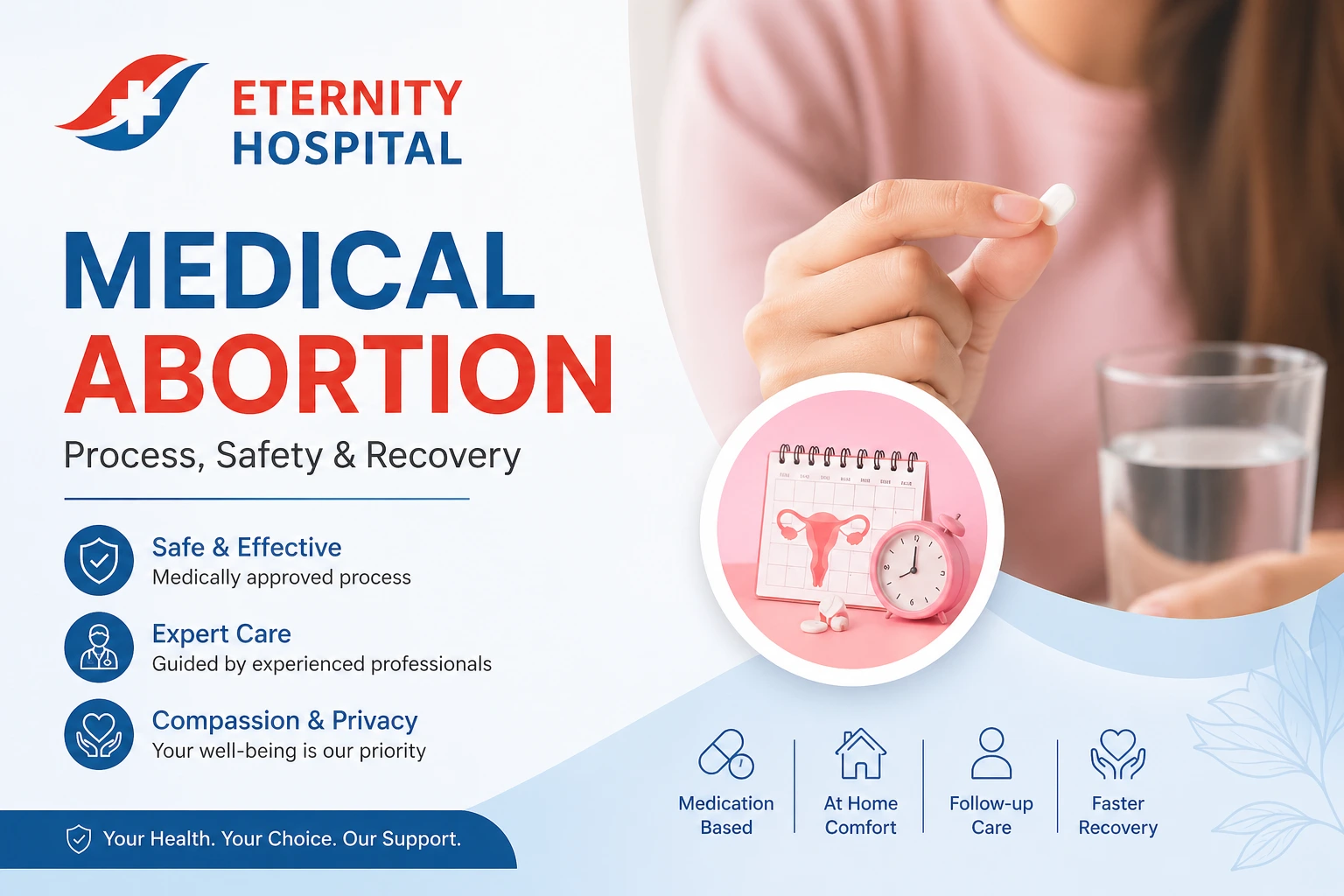
Understanding Medical Abortion
What is Medical Abortion?
Medical abortion is a non-surgical method of terminating an early pregnancy using prescribed medications. Instead of undergoing a procedure in an operating room, this approach relies on a combination of pills that safely end a pregnancy, usually within the first 9 weeks. Think of it as a process that mimics a natural miscarriage—but under medical supervision to ensure safety and effectiveness.
The method typically involves two medications: Mifepristone and Misoprostol. The first pill blocks the hormone progesterone, which is essential for pregnancy continuation. Without progesterone, the uterine lining breaks down. The second medication causes the uterus to contract and expel the pregnancy tissue. While the process sounds simple, it requires proper medical guidance to avoid complications.
Medical abortion has become increasingly popular because it offers privacy, convenience, and less invasive intervention. For many women, it feels more natural and less intimidating compared to surgery. However, just because it’s non-surgical doesn’t mean it’s something to take lightly—it’s still a medical procedure that demands careful planning and follow-up.
How It Differs from Surgical Abortion
Medical abortion and surgical abortion serve the same purpose but differ significantly in their approach, experience, and recovery. Surgical abortion involves a minor procedure where a doctor removes pregnancy tissue from the uterus using specialized instruments. It’s usually quicker and completed in a clinical setting.
On the other hand, medical abortion happens over a few days and often at home after initial consultation. The experience is more drawn out, involving cramping and bleeding similar to a heavy period. Some women prefer this because it feels more private, while others may find the longer process emotionally and physically demanding.
Another key difference lies in control. With medical abortion, you are actively involved in the process at home. With surgical abortion, the doctor handles everything in one visit. Both methods are safe when done under proper medical supervision, but the choice depends on personal comfort, medical history, and stage of pregnancy.
Who Can Opt for Medical Abortion?
Eligibility Criteria
Not everyone is an ideal candidate for medical abortion. Generally, it is recommended for women who are less than 9 weeks pregnant, confirmed through ultrasound or medical evaluation. Accurate dating of the pregnancy is crucial because the effectiveness decreases as pregnancy progresses.
Women opting for medical abortion should also be in good overall health, without underlying conditions like bleeding disorders or chronic adrenal failure. It’s also important that they have access to emergency medical care if needed, although complications are rare.
Another important factor is commitment to follow-up care. Medical abortion isn’t a “take pills and forget” situation—it requires monitoring to ensure the process is complete. Women must be willing to attend follow-up appointments or take prescribed tests to confirm success.
Situations Where It May Not Be Recommended
Medical abortion may not be suitable for women with ectopic pregnancy, where the embryo implants outside the uterus. This condition is dangerous and cannot be treated with abortion pills. Similarly, women with certain allergies to the medications or those using long-term steroid therapy may be advised against it.
If a woman has an intrauterine device (IUD) in place, it must be removed before proceeding. Severe anemia or clotting disorders can also increase risks during the bleeding phase. In such cases, doctors may recommend surgical abortion as a safer alternative.
This is why consultation at a trusted healthcare center like Hospital Eternity becomes essential—because individualized care ensures the safest possible decision.
Step-by-Step Medical Abortion Process
Step 1 – Consultation and Diagnosis
The journey begins with a detailed consultation. A doctor will confirm pregnancy through tests and determine how far along it is. This stage also involves reviewing medical history and discussing expectations, risks, and alternatives.
Many women underestimate the importance of this step, but it’s the foundation of a safe abortion. Without proper diagnosis, there’s a risk of incomplete abortion or complications. Doctors may also provide pain management advice and instructions for the upcoming steps.
Step 2 – First Medication (Mifepristone)
The first pill, Mifepristone, is taken under medical supervision or as prescribed. It works by blocking progesterone, effectively stopping the pregnancy from progressing. Most women don’t experience immediate symptoms after taking this pill, which can feel a bit anticlimactic.
However, internally, the body has already begun the process. The uterine lining starts breaking down, preparing for the next stage. Some may experience mild spotting, but heavy bleeding usually doesn’t start yet.
Step 3 – Second Medication (Misoprostol)
After 24–48 hours, Misoprostol is taken. This is when the process becomes more noticeable. The medication causes the uterus to contract, leading to cramping and bleeding.
The bleeding can be heavier than a normal period, often with clots. This is completely normal—it indicates that the pregnancy tissue is being expelled. Cramping intensity varies from person to person, but pain relief medications are usually recommended.
Step 4 – Follow-Up and Confirmation
Follow-up is crucial. A doctor may schedule a visit or recommend a pregnancy test after a few weeks to confirm that the abortion is complete. In rare cases where tissue remains, additional medication or a minor procedure may be needed.
Skipping this step is risky because an incomplete abortion can lead to infection or prolonged bleeding. Responsible care always includes proper follow-up.
What to Expect During the Process
Physical Symptoms
The physical experience of medical abortion is often compared to a heavy menstrual cycle, but it can be more intense. Cramping is a natural response as the uterus contracts, and bleeding may last for several days to weeks.
Other symptoms can include nausea, fatigue, mild fever, or diarrhea. These are temporary and usually resolve within a short period. Understanding these symptoms beforehand helps reduce anxiety and prepares you mentally.
Emotional Experience
Beyond physical effects, the emotional aspect is equally important. Some women feel relief, while others may experience sadness or mood swings. Hormonal changes can amplify emotions, making it important to have a support system.
Talking to a trusted person or healthcare provider can make a significant difference. Emotional recovery is just as important as physical healing.
Safety of Medical Abortion
Success Rates
Medical abortion is highly effective, with success rates ranging between 95% to 99% for early pregnancies. The earlier it is performed, the higher the success rate.
Possible Risks and Complications
Although rare, complications can include:
- Excessive bleeding
- Infection
- Incomplete abortion
- Severe abdominal pain
These risks are minimized when the procedure is done under proper medical supervision.
Recovery After Medical Abortion
Physical Recovery Timeline
Recovery varies but generally takes 1–2 weeks for initial healing, while the body fully normalizes over a few weeks. Light activities can resume within a day or two, but rest is essential during the initial phase.
Emotional Healing
Emotional recovery doesn’t follow a fixed timeline. Some women feel normal quickly, while others take longer. Acknowledging your feelings without judgment is key.
Do’s and Don’ts After Medical Abortion
- Do rest and stay hydrated
- Do follow the doctor’s instructions
- Avoid heavy exercise for a few days
- Avoid inserting anything into the vagina temporarily
When to Seek Medical Help
Seek immediate help if you experience:
- Heavy bleeding (soaking multiple pads per hour)
- High fever
- Severe abdominal pain
Benefits of Medical Abortion
Medical abortion offers:
- Privacy and comfort at home
- No surgery or anesthesia
- Lower risk of procedural complications
Medical Abortion vs Surgical Abortion
Feature Medical Abortion Surgical Abortion
Method Pills Minor Procedure
Time: Several days, Single visit
Invasiveness Non-invasive Minimally invasive
Recovery Gradual Quick
Why Choose Professional Care at Hospital Eternity
Choosing a trusted healthcare provider like Hospital Eternity ensures that the entire process—from consultation to recovery—is handled with expert care, confidentiality, and compassion. Professional supervision significantly reduces risks and provides peace of mind during a sensitive time.
Cost of Medical Abortion in India
The cost varies depending on location and healthcare provider, but it is generally affordable compared to surgical methods. Consulting a reputed clinic ensures transparency and quality care.
Legal Aspects of Medical Abortion in India
Medical abortion is legal in India under the Medical Termination of Pregnancy (MTP) Act, allowing termination under specific conditions. Consulting a certified doctor ensures compliance with legal requirements.
Myths vs Facts About Medical Abortion
Many myths surround this topic, such as infertility risks or extreme danger. In reality, medical abortion is safe, effective, and widely practiced worldwide when done correctly.
Conclusion
Medical abortion is a safe, effective, and non-invasive option for early pregnancy termination when done under proper medical guidance. Understanding the process, knowing what to expect, and following aftercare instructions can make the experience smoother and less stressful. Choosing a trusted healthcare provider like Hospital Eternity ensures not just safety but also emotional support and professional care throughout the journey
https://www.hospitaleternity.com/best-medical-abortion-in-ghaziabad/
https://www.hospitaleternity.com/best-normal-delivery-in-ghaziabad/
.https://www.hospitaleternity.com/best-pregnancy-care-in-ghaziabad/