

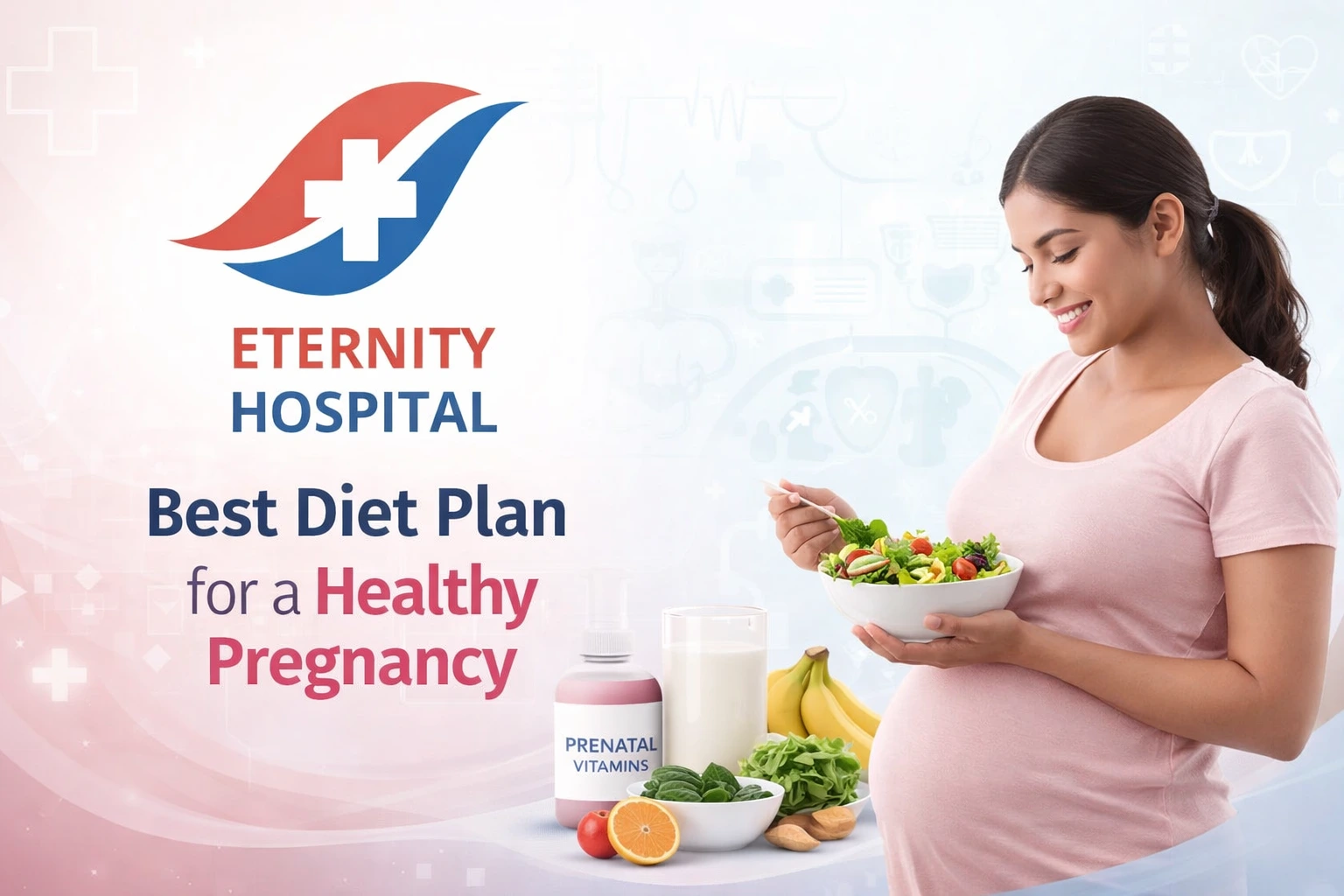
Best Diet Plan for a Healthy Pregnancy
Why Nutrition Matters During Pregnancy
Role of Balanced Diet in Fetal Development
Pregnancy is not just about eating more—it’s about eating right. Your body becomes the primary source of nutrition for your growing baby, meaning every bite you take directly impacts fetal development. A well-balanced diet ensures that your baby receives the essential nutrients needed for brain development, organ formation, and overall growth. Think of your diet as the building blocks of your baby’s future health. Without proper nutrition, the risk of complications such as low birth weight or developmental delays increases significantly.
Modern research suggests that maternal nutrition plays a critical role in long-term health outcomes for the child, including immunity and cognitive abilities. For example, adequate intake of folic acid reduces the risk of neural tube defects by up to 70%, making it one of the most vital nutrients during pregnancy. This highlights how important it is to follow a structured and thoughtful diet plan rather than relying on random eating habits.
How Nutrition Affects the Mother’s Health
While much focus is placed on the baby, the mother’s health is equally important. Pregnancy demands extra energy, nutrients, and care, and poor nutrition can lead to fatigue, anemia, weakened immunity, and complications during delivery. A proper diet helps maintain energy levels, supports hormonal balance, and prepares the body for childbirth and recovery.
A nutrient-rich diet also helps manage common pregnancy symptoms like nausea, constipation, and mood swings. Imagine your body as a machine working overtime—without the right fuel, it simply cannot function efficiently. That’s why investing in a healthy pregnancy diet is not a luxury, but a necessity for both mother and child.
Essential Nutrients for a Healthy Pregnancy
Folic Acid and Its Importance
Folic acid is often called the “pregnancy superhero,” and for good reason. It plays a crucial role in preventing neural tube defects and supports early brain development. Doctors typically recommend at least 400–600 micrograms daily, especially during the first trimester.
Iron for Blood Health
Iron helps in the production of hemoglobin, which carries oxygen to your baby. During pregnancy, blood volume increases significantly, making iron intake essential. Iron deficiency can lead to anemia, causing fatigue and complications.
Calcium for Bone Development
Calcium ensures that your baby’s bones and teeth develop properly. If your diet lacks calcium, your body will take it from your bones, potentially weakening them. This is why dairy products, leafy greens, and fortified foods are crucial.
Protein for Growth
Protein supports the growth of fetal tissues, including the brain. It also helps in the development of maternal tissues. Including sources like eggs, lean meat, lentils, and nuts ensures adequate protein intake.
DHA and Omega-3 Fatty Acids
These nutrients are essential for brain and eye development. Found in fatty fish, walnuts, and flaxseeds, DHA plays a key role in cognitive development.
Trimester-Wise Pregnancy Diet Plan
First Trimester Diet Guide
The first trimester can be challenging due to nausea and food aversions. During this stage, focus on light, nutritious meals that are easy to digest. Small, frequent meals can help manage morning sickness while ensuring nutrient intake remains consistent.
Foods rich in folic acid, such as spinach, oranges, and fortified cereals, should be prioritized. Hydration is also crucial, as vomiting can lead to dehydration. Even if appetite is low, maintaining a steady intake of essential nutrients is vital for early fetal development.
Second Trimester Diet Plan
This is often considered the “golden phase” of pregnancy, as energy levels improve. Your calorie needs increase, and it’s important to include a variety of foods to meet nutritional demands. Protein, calcium, and iron intake should be increased to support rapid fetal growth.
Meals should include whole grains, dairy products, fruits, vegetables, and lean proteins. Snacking on nuts and seeds can provide healthy fats and additional energy.
Third Trimester Nutrition Needs
In the final trimester, the baby grows rapidly, increasing the demand for nutrients. Iron and calcium become even more important, along with adequate hydration. You may feel fuller quickly, so smaller meals are recommended.
Focus on nutrient-dense foods that provide maximum benefits in smaller portions. Avoid heavy, greasy foods that can cause discomfort or heartburn.
Foods to Include in Pregnancy Diet
Fruits and Vegetables
Fresh fruits and vegetables are packed with vitamins, minerals, and antioxidants. They help boost immunity and support overall health. Include a colorful variety to ensure a wide range of nutrients.
Whole Grains and Fiber-Rich Foods
Whole grains like oats, brown rice, and whole wheat bread provide energy and help prevent constipation, a common pregnancy issue.
Dairy and Alternatives
Milk, yogurt, and cheese are excellent sources of calcium and protein. For those who are lactose intolerant, fortified plant-based alternatives can be used.
Lean Proteins
Chicken, fish, eggs, legumes, and nuts provide essential amino acids needed for growth and repair.
Foods to Avoid During Pregnancy
Harmful Foods and Risks
Certain foods can pose risks during pregnancy and should be avoided. These include raw or undercooked meat, unpasteurized dairy products, and high-mercury fish. These foods can increase the risk of infections and developmental issues.
Excess caffeine and processed foods should also be limited, as they can negatively impact both mother and baby. Alcohol is strictly prohibited, as it can cause severe developmental problems.
Safe Alternatives
Instead of risky foods, opt for fully cooked meals, pasteurized dairy, and low-mercury fish like salmon. Herbal teas and fresh juices can replace caffeinated beverages.
Sample Daily Diet Plan for Pregnant Women
Meal Time Food Options
Morning Warm water + soaked almonds
Breakfast Oats with fruits and milk
Mid-Morning Fresh fruit juice
Lunch Roti, dal, vegetables, curd
Evening Snack: Nuts and herbal tea
Dinner Rice, vegetables, lean protein
Before Bed Warm milk
This plan ensures a balance of carbohydrates, proteins, fats, vitamins, and minerals.
Hydration and Fluid Intake
Staying hydrated is just as important as eating well. Water helps in forming amniotic fluid, supporting digestion, and preventing constipation. Pregnant women should aim for at least 8–10 glasses of water daily.
Fluids like coconut water, soups, and fresh juices can add variety and provide additional nutrients. Avoid sugary drinks and excessive caffeine, as they can lead to dehydration.
Managing Common Pregnancy Cravings
Cravings are a natural part of pregnancy, but they should be managed wisely. Instead of indulging in unhealthy foods, try healthier alternatives. For example, if you crave sweets, opt for fruits or yogurt.
Listening to your body is important, but balance is key. Occasional indulgence is fine, but maintaining a nutritious diet should always be the priority.
Importance of Consulting Experts
Professional Guidance from Specialists
Every pregnancy is unique, and dietary needs can vary based on individual health conditions. Consulting experts ensures that your diet is tailored to your specific requirements. Professional care not only improves maternal health but also reduces the risk of complications.
For personalized pregnancy care and expert guidance, you can visit https://www.hospitaleternity.com/. Their experienced team provides comprehensive support, from nutrition planning to advanced medical care, ensuring a safe and healthy pregnancy journey.
Conclusion
A healthy pregnancy diet is not about strict rules—it’s about making informed choices that benefit both mother and baby. By focusing on nutrient-rich foods, staying hydrated, and seeking professional guidance, you can create a strong foundation for your baby’s future health. Small, consistent efforts in maintaining a balanced diet can lead to significant long-term benefits, making your pregnancy journey smoother and more enjoyable.
https://www.hospitaleternity.com/best-normal-delivery-in-ghaziabad/
https://www.hospitaleternity.com/best-pregnancy-care-in-ghaziabad/