

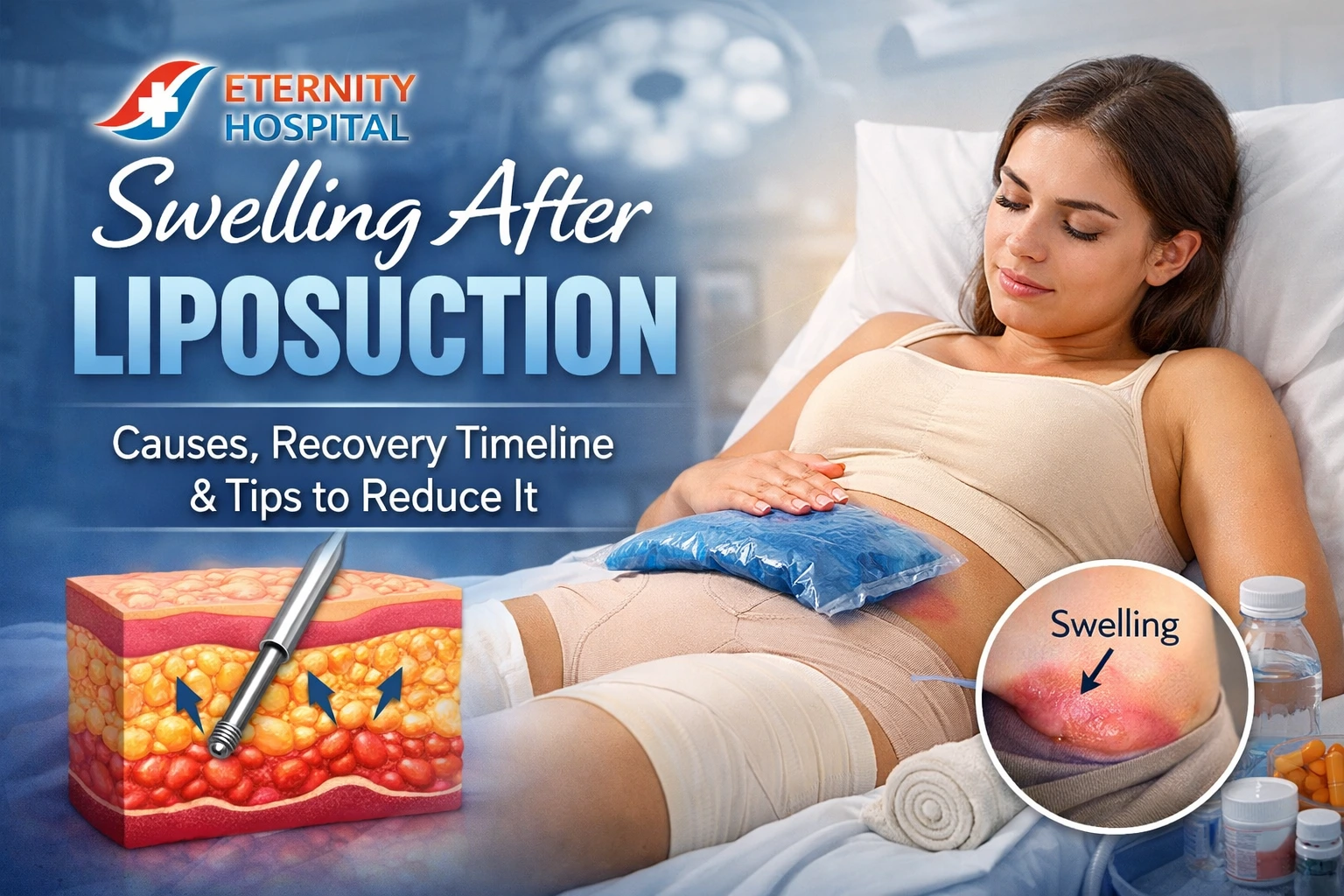
Liposuction is one of the most popular cosmetic procedures in the world for body contouring and fat removal. Many people choose it to reshape stubborn areas like the abdomen, thighs, arms, or chin when diet and exercise fail to deliver the desired results. While liposuction can dramatically improve body shape, patients often experience swelling during the recovery phase, which is completely normal and expected.
If you recently had liposuction or are planning to undergo the procedure, understanding swelling is essential. Swelling can temporarily hide the final results of your surgery and may cause anxiety if you don’t know what to expect. The truth is that swelling is your body’s natural response to surgery and healing.
In this comprehensive guide, we will explore everything about swelling after liposuction—from why it happens and how long it lasts to effective ways to reduce it faster. We will also discuss why choosing an experienced medical facility like https://www.hospitaleternity.com/ plays a crucial role in ensuring a smooth recovery and optimal results.
Understanding Liposuction and the Healing Process
Liposuction is a cosmetic surgical procedure designed to remove excess fat deposits from specific areas of the body. During the procedure, a surgeon inserts a thin tube called a cannula under the skin to break up and suction out unwanted fat. While the process sounds straightforward, it still involves tissue manipulation, which naturally triggers the body’s healing response.
Understanding how the body heals after liposuction helps explain why swelling occurs and why patience is essential during recovery.
What Happens Inside the Body After Liposuction
When liposuction is performed, small tunnels are created beneath the skin as the cannula moves through fatty tissues. This movement removes fat cells but also causes temporary trauma to surrounding tissues, including blood vessels and lymphatic channels.
The body reacts to this trauma with inflammation. Blood vessels expand, and fluid begins to accumulate in the treated area. This process is part of the immune system’s natural healing mechanism, allowing nutrients and white blood cells to reach the affected tissues and repair them.
As a result, the treated area may appear swollen, firm, or slightly bruised during the early days of recovery. This response is normal and actually indicates that the body is working to heal itself.
Why Swelling Is a Natural Part of Recovery
Swelling after liposuction occurs mainly due to fluid buildup and inflammation in the tissues. The body sends extra fluids to the surgical site to help repair damaged cells and flush out debris.
Most patients experience swelling within the first few days after surgery. According to recovery studies, swelling often peaks within the first 48–72 hours and gradually decreases over time.
Although swelling may initially make the treated area look larger than expected, it slowly decreases as the body absorbs the fluid and repairs tissues. This gradual process is why surgeons often tell patients that final results may take months to appear fully.
How Long Does Swelling Last After Liposuction?
One of the most common questions patients ask is: How long will the swelling last? The answer depends on several factors, including the extent of the procedure, the treated area, and individual healing ability.
Generally, swelling follows a predictable timeline that improves gradually over weeks and months.
Swelling Timeline From Day 1 to 12 Months
The healing process after liposuction can be divided into several phases:
Recovery StageTimeframeWhat Happens
Immediate Recovery 1–3 days. Swelling and bruising peak as the body reacts to surgery
Early Recovery 1–2 weeks: Swelling begins to reduce, and discomfort gradually improves.
Moderate Recovery 4–6 weeks Major swelling decreases, and the shape begins to appear.
Advanced Recovery 3–6 months. Most swelling disappears, and body contours improve.
Final Healing 6–12 months. Final results become visible
Medical recovery data shows that most swelling improves significantly within 4–6 weeks, while mild swelling can persist for 3–6 months or longer, depending on the extent of surgery.
Some patients may also notice that swelling fluctuates throughout the day. For example, it may appear worse in the evening or after long periods of standing.
When You Can Expect to See Final Results
Although noticeable improvement may appear within a few weeks, the true results of liposuction typically become visible after three to six months once most swelling has resolved.
In some cases, subtle swelling can continue to improve for up to a year as the skin tightens and tissues settle into their final shape. This slow transformation is encouraging, as patients often see gradual improvements over time.
Common Causes of Swelling After Liposuction
Swelling after liposuction doesn’t occur randomly. Several biological processes contribute to fluid accumulation and inflammation during recovery.
Understanding these causes helps patients manage expectations and follow proper post-surgery care.
Tissue Trauma and Inflammation
Liposuction involves breaking down fat cells and removing them through suction. During this process, surrounding tissues experience minor trauma. Even though the incisions are small, internal tissues undergo manipulation that triggers inflammation.
Inflammation causes blood vessels to expand and allows immune cells to reach the surgical site. This results in redness, warmth, and swelling, which are normal signs of healing.
While this may seem concerning at first, inflammation is actually a positive sign that the body is repairing itself.
Fluid Retention and Lymphatic System Response
Another key reason for swelling is fluid retention. The lymphatic system, responsible for draining excess fluid from tissues, may temporarily slow down after surgery.
When lymphatic channels are disrupted, fluid can accumulate in the treated areas, leading to puffiness or firmness under the skin. Over time, the lymphatic system repairs itself and resumes normal drainage, reducing swelling.
Patients may also feel small lumps or firmness during this stage. These are usually temporary and soften as the healing process continues.
Factors That Affect the Amount of Swelling
Not all patients experience the same level of swelling after liposuction. Some people recover quickly, while others may notice swelling lasting several months.
Several factors influence how the body responds to surgery.
Treatment Area and Amount of Fat Removed
The size of the treated area plays a significant role in swelling. Large-volume liposuction or multiple treatment areas usually cause more swelling than small procedures.
For example:
- Abdominal liposuction may produce moderate swelling.
- Thigh or back liposuction may cause prolonged swelling due to gravity and movement.
- Facial or chin liposuction usually heals faster due to smaller treatment areas.
The more fat removed during surgery, the more tissue adjustment the body must undergo, which can increase recovery time.
Patient Health, Age, and Skin Elasticity
Individual health conditions also influence recovery. Factors that may affect swelling include:
- Age
- Skin elasticity
- Circulation
- Smoking habits
- Overall health and hydration
Patients with healthy lifestyles and strong skin elasticity often experience faster healing and better contour results.
Proven Ways to Reduce Swelling After Liposuction
Although swelling is unavoidable after liposuction, there are several effective strategies that help reduce it faster and improve recovery comfort.
Following your surgeon’s instructions is the most important step.
Compression Garments and Why They Matter
Compression garments are specially designed medical garments that apply gentle pressure to the treated areas. These garments help:
- Reduce swelling
- Support tissues during healing
- Improve body contour
Doctors typically recommend wearing compression garments continuously for four to six weeks after surgery.
This pressure helps prevent fluid accumulation and encourages the skin to adapt to its new shape.
Diet, Hydration, and Lifestyle Adjustments
Your lifestyle choices during recovery can significantly influence swelling levels.
Helpful habits include:
- Drinking plenty of water
- Reducing salt intake
- Eating anti-inflammatory foods
- Avoiding alcohol
- Getting adequate rest
A balanced diet rich in protein, fruits, and vegetables supports tissue repair and reduces inflammation.
Lymphatic Massage and Light Physical Activity
Manual lymphatic drainage (MLD) is a specialized massage technique designed to stimulate lymphatic circulation and remove excess fluid from tissues.
Many surgeons recommend starting lymphatic massage after the first week of recovery, once the initial healing phase has passed.
Light walking is also beneficial because it improves blood circulation and reduces fluid buildup. However, strenuous exercise should be avoided until the surgeon approves it.
Warning Signs: When Swelling May Indicate a Problem
Although swelling is normal, certain symptoms may signal complications that require medical attention.
Patients should contact their doctor if they notice:
- Severe or increasing swelling
- Intense pain
- Redness or warmth around the area
- Fever
- Sudden asymmetrical swelling
These symptoms may indicate infection, fluid accumulation, or other complications that require prompt medical evaluation.
Early diagnosis and treatment help prevent serious problems and ensure a smooth recovery.
Choosing an Experienced Liposuction Surgeon
One of the most important factors influencing recovery and results is the experience of the surgeon and medical facility performing the procedure.
Expert surgeons understand how to minimize tissue trauma, manage swelling, and guide patients through recovery effectively.
If you are considering liposuction, consulting a trusted center such as https://www.hospitaleternity.com/ can make a significant difference. The hospital provides advanced cosmetic procedures, experienced surgeons, and personalized patient care designed to ensure safe surgery and optimal aesthetic outcomes.
Professional guidance before and after surgery helps patients manage swelling effectively and achieve natural-looking body contours.
Conclusion
Swelling after liposuction is a completely normal and temporary part of the healing process. It occurs because the body is responding to surgical trauma and working to repair tissues. Although swelling can initially hide the final results, it gradually decreases as the body heals.
Most patients experience noticeable improvement within four to six weeks, while mild swelling may persist for several months. Patience, proper post-surgical care, and following your surgeon’s instructions are essential for achieving the best outcome.
By choosing a reputable clinic and maintaining healthy recovery habits, patients can significantly reduce swelling and enjoy long-lasting liposuction results
https://www.hospitaleternity.com/best-liposuction-surgery-in-ghaziabad/