

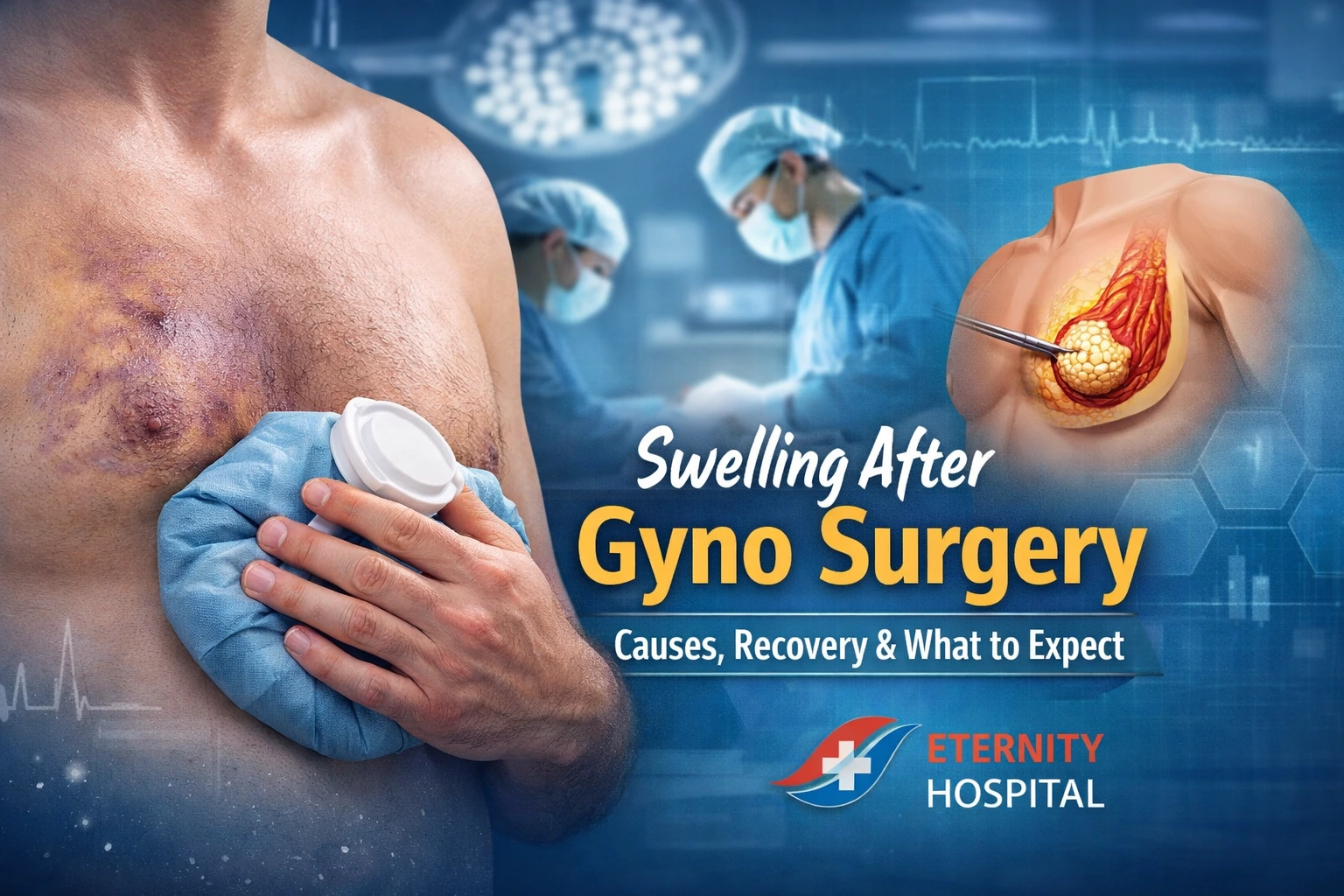
Swelling after gyno surgery is one of the most common and completely normal experiences during the recovery phase. Many patients feel anxious when they notice puffiness, tightness, or firmness in the chest area after surgery, especially when they were expecting an immediately flat and sculpted chest. However, swelling is simply your body’s natural response to healing and tissue repair.
Understanding why swelling happens, how long it lasts, and what you can do to manage it will help you stay calm, confident, and patient throughout your recovery journey. In this detailed guide, we’ll cover everything you need to know about swelling after gynecomastia surgery, from the first day to final results.
Understanding Gynecomastia Surgery
What Is Gynecomastia?
Gynecomastia is a medical condition where male breast tissue becomes enlarged due to hormonal imbalance, excess fatty tissue, glandular growth, or a combination of these factors. It can occur at any age—from teenage years to adulthood—and often leads to emotional distress, low self-confidence, and discomfort in social situations.
While exercise and diet can help reduce fat-related chest fullness, true glandular gynecomastia usually requires surgical correction for permanent results.What Happens During Gyno Surgery?
Gynecomastia surgery is designed to remove excess fat, glandular tissue, and sometimes loose skin to create a flatter, more masculine chest. The procedure is customized based on the patient’s condition.
Liposuction Technique
When excess fat is the main issue, liposuction is used to suction out unwanted fat cells through small incisions. This technique causes less trauma, but swelling still occurs as tissues adjust to their new shape.
Gland Excision Technique
For firm glandular tissue, surgical excision is required. This involves precise removal of dense tissue beneath the nipple. Because this technique involves deeper tissue handling, swelling can be more noticeable and last longer compared to liposuction alone
Why Swelling Occurs After Gyno Surgery
The Body’s Natural Healing Response
Swelling is your body’s built-in repair system. After surgery, your immune system sends fluids, white blood cells, and healing factors to the treated area. This increased fluid accumulation causes visible swelling, which is a sign that your body is actively healing.
Role of Fluids and Inflammation
During surgery, small blood vessels and tissues are disturbed. The body responds by increasing blood flow and fluid retention in the area, leading to inflammation. This inflammation is temporary but essential for tissue regeneration.
Surgical Trauma and Tissue Adjustment
Even with advanced surgical techniques, gyno surgery involves physical manipulation of tissues. The chest needs time to adapt to the new contour, and swelling helps cushion and protect the healing tissues during this adjustment phase.
How Much Swelling Is Normal After Gyno Surgery?
Mild, Moderate, and Severe Swelling
Most patients experience moderate swelling, especially during the first few weeks. Mild swelling may look like slight puffiness, while moderate swelling can make the chest feel tight or firm. Severe swelling is uncommon but may occur temporarily in complex cases.
Swelling Timeline Explained
Swelling usually peaks within the first 3 to 5 days after surgery. It gradually reduces over the next few weeks, with noticeable improvement by 4 to 6 weeks. Minor residual swelling can persist for several months before fully resolving.
Swelling After Gyno Surgery: Recovery Timeline
First 24–72 Hours
During this phase, swelling and discomfort are at their highest. The chest may feel tight, tender, and bruised. Compression garments play a critical role during this period.
First Week
Swelling starts to stabilize and slowly reduce. Pain decreases significantly, but firmness may still be present. Light walking is encouraged to improve circulation.
First Month
By this stage, most visible swelling subsides. The chest begins to look flatter, though internal healing continues. Some unevenness is normal and temporary.
3 to 6 Months Post-Surgery
Residual swelling gradually disappears, revealing the final chest contour. Skin tightens, and scar tissue softens, leading to more natural-looking results.
Common Areas Where Swelling Appears
Chest Area
The chest is the primary site of swelling due to direct surgical intervention. The area around the nipples may feel particularly firm or swollen.
Underarms
If liposuction extends toward the sides of the chest, swelling may spread to the underarm region. This is normal and resolves with time.
Upper Abdomen
Fluid movement can sometimes cause mild swelling below the chest, especially during the early recovery phase.
How to Reduce Swelling After Gyno Surgery
Importance of Compression Garments
Compression garments help control swelling by preventing fluid buildup, supporting tissues, and improving blood circulation. Wearing them as advised by your surgeon is crucial for optimal healing.
Proper Rest and Sleeping Position
Sleeping on your back with your upper body slightly elevated helps reduce swelling and improves drainage of excess fluids.
Diet Tips to Minimize Swelling
A balanced diet rich in protein, vitamins, and antioxidants supports tissue repair. Avoid processed foods and excessive sugar, which can worsen inflammation.
Hydration and Salt Intake
Drinking plenty of water helps flush out excess fluids, while limiting salt intake prevents unnecessary fluid retention.
Light Movement and Walking
Gentle movement improves circulation and reduces fluid buildup. Avoid strenuous activities until cleared by your surgeon.
Do’s and Don’ts During the Swelling Phase
What You Should Do
Follow post-operative instructions carefully, attend follow-up appointments, wear compression garments consistently, and maintain a healthy lifestyle.
What You Should Avoid
Avoid heavy lifting, intense workouts, smoking, alcohol consumption, and skipping medications, as these can delay healing and increase swelling.
Is Swelling a Sign of Complications?
Normal Swelling vs Red Flags
Normal swelling is soft to firm and gradually improves. Warning signs include increasing pain, redness, warmth, fever, or sudden asymmetrical swelling.
When to Contact Your Surgeon Immediately
If swelling worsens instead of improving, or if you notice signs of infection, contact your surgeon without delay.
Hard Lumps and Firmness After Gyno Surgery
Why the Chest Feels Hard
Hardness is often due to internal swelling or temporary scar tissue formation. This is common and usually resolves on its own.
Scar Tissue vs Residual Swelling
Scar tissue feels firmer and may take longer to soften. Surgeons may recommend massage or other therapies to aid recovery.
Role of Surgeon Expertise in Reducing Swelling
Why Surgical Technique Matters
Experienced surgeons use precise techniques that minimize tissue trauma, resulting in less swelling and faster recovery.
Post-Operative Care Guidance
Clear aftercare instructions significantly reduce complications and help manage swelling effectively.
Why Eternity Hospital Is a Trusted Choice
Advanced Care and Expertise
At Eternity Hospital, patients receive expert surgical care, advanced techniques, and personalized recovery plans that promote faster healing and better outcomes.
Patient-Focused Recovery Support
From consultation to follow-ups, Eternity Hospital emphasizes safety, comfort, and long-term results. Learn more at
Final Recovery Results: When Will Swelling Fully Go Away?
Complete resolution of swelling can take up to 6 months. Patience is key. Once healing is complete, patients enjoy a flat, natural, and masculine chest that significantly boosts confidence and quality of life.
Conclusion
Swelling after gyno surgery is a normal and temporary part of the healing process. Understanding what to expect, following proper aftercare, and trusting the recovery timeline are essential for achieving the best results. With expert surgical care and guidance—such as that provided at Eternity Hospital—patients can look forward to safe healing and long-lasting confidence
https://www.hospitaleternity.com/inverted-nipple-surgery-in-ghaziabad/
https://www.hospitaleternity.com/breast-augmentation-services-in-ghaziabad/
https://www.hospitaleternity.com/breast-reduction-services-in-ghaziabad/.