

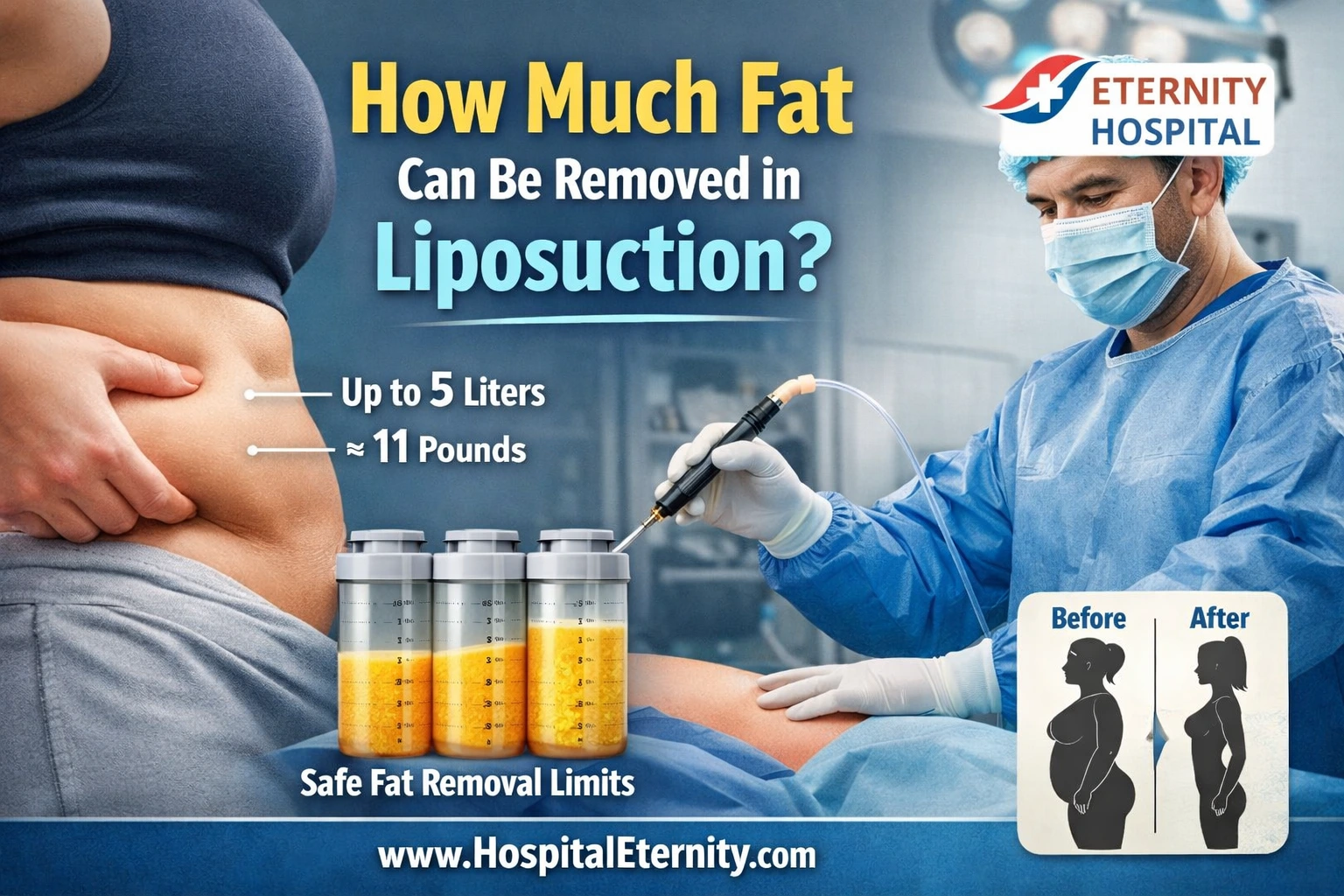
Liposuction is one of the most popular cosmetic procedures in the world for removing stubborn fat and reshaping the body. Many people considering this surgery ask one common question: how much fat can actually be removed during liposuction? The answer is not as simple as a fixed number because it depends on several medical and safety factors.
In general, liposuction is designed to remove localised fat deposits that do not respond to diet or exercise. It is not a weight-loss treatment but rather a body contouring procedure that helps improve shape and proportion. For example, a person may maintain a healthy lifestyle but still struggle with fat around the abdomen, thighs, or love handles. Liposuction helps sculpt these areas and create a more balanced appearance.
Over the years, liposuction technology has improved significantly, making the procedure safer and more precise. However, surgeons must still follow strict medical guidelines regarding how much fat can be removed safely in one session. Removing too much fat can lead to complications such as fluid imbalance, blood loss, and other health risks. This is why experienced surgeons carefully evaluate each patient before planning surgery.
In this detailed guide, we will explore how much fat can be removed in liposuction, what factors influence the amount, and why choosing an experienced clinic is essential for safe results.
Understanding Liposuction and Its Purpose
What Is Liposuction Surgery?
Liposuction is a cosmetic surgical procedure designed to remove excess fat deposits from specific areas of the body using a thin tube called a cannula connected to a suction device. The surgeon inserts the cannula through small incisions in the skin and carefully removes unwanted fat while sculpting the surrounding tissues.
Unlike traditional weight-loss methods, liposuction targets subcutaneous fat, which is the layer of fat located just beneath the skin. This type of fat often accumulates in areas such as the abdomen, hips, thighs, arms, chin, and back. These fat pockets are usually resistant to diet and exercise, which is why liposuction is considered a solution for body contouring.
One of the key advantages of liposuction is its ability to reshape the body with relatively small incisions and minimal scarring. Over time, surgeons have developed various techniques such as tumescent liposuction, ultrasound-assisted liposuction, and laser liposuction, each offering improved precision and recovery times.
People often think liposuction will drastically reduce their body weight, but that is a misunderstanding. The primary goal is improving body shape, not reducing overall body mass. A patient may lose only a few kilograms after the procedure but notice a dramatic improvement in body proportions.
Why People Choose Liposuction
There are many reasons why individuals choose liposuction. In many cases, it is about gaining confidence and feeling comfortable in one’s own body. Even people who maintain a healthy lifestyle sometimes struggle with stubborn fat that refuses to disappear.
Common reasons people opt for liposuction include:
- Removing stubborn belly fat
- Reducing love handles
- Sculpting thighs and hips
- Contouring arms and back
- Improving body proportions
Another important reason is body sculpting after weight loss. Many individuals who lose significant weight through diet or bariatric surgery may still have uneven fat distribution. Liposuction can refine their shape and enhance their transformation.
Modern cosmetic surgery focuses on achieving natural-looking results, meaning surgeons remove just enough fat to improve contours while maintaining balance in the body.
How Much Fat Can Be Safely Removed in Liposuction
Standard Safety Limits in Liposuction
The amount of fat that can be removed during liposuction is limited for safety reasons. According to widely accepted medical guidelines, the safe limit for fat removal in a single liposuction session is about 5 litres (approximately 11 pounds).
This amount is often referred to as large-volume liposuction. Surgeons generally prefer to stay below this limit because removing more fat increases the risk of complications such as fluid imbalance, blood loss, and prolonged recovery.
Another important guideline is that the removed fat should typically not exceed 5–7% of a patient’s body weight in one procedure. This ensures the body can safely adjust to the changes without putting stress on vital organs.
These safety limits exist because liposuction involves more than just fat removal. The procedure also removes fluids and may affect blood circulation temporarily. Exceeding recommended limits can increase risks such as:
- Severe swelling
- Fluid imbalance
- Blood clots
- Infection
- Fat embolism
Because of these risks, surgeons prioritise patient safety over removing the maximum amount of fat.
Average Fat Removal During Surgery
Although the maximum limit is around 5 litres, most liposuction procedures actually remove much less. On average, surgeons remove 2 to 4 litres of fat and fluid during a typical liposuction surgery.
The amount varies depending on the area being treated. For example:
Treatment Area: Typical Fat Removal
Chin / Neck 50–200 ml
Arms 200–800 ml
Abdomen 1–3 litres
Thighs 1–3 litres
Full Body Up to 5 litres
This table shows that liposuction is usually a targeted procedure, focusing on specific areas rather than removing large amounts of fat from the entire body.
Factors That Affect How Much Fat Can Be Removed
Patient’s Body Weight and BMI
One of the most important factors determining how much fat can be safely removed is the patient’s Body Mass Index (BMI). People with higher body weight may tolerate slightly larger fat removal volumes compared to those with lower body weight.
However, liposuction is generally recommended for individuals who are close to their ideal body weight but have stubborn fat pockets. Patients with a BMI above 30 may be advised to lose weight before considering liposuction.
Surgeons evaluate several health factors during consultation, including blood pressure, medical history, and overall body composition. These assessments help determine the safest approach for each patient.
Treatment Area and Fat Distribution
Different parts of the body contain varying amounts of fat, and some areas respond better to liposuction than others. For instance, the abdomen and thighs typically allow more fat removal than smaller areas like the chin or arms.
Large areas may require multiple treatment sessions if the amount of fat exceeds safe limits. This staged approach ensures the patient’s safety while still achieving desired results.
Surgeon’s Experience and Technology Used
The skill and experience of the surgeon play a crucial role in determining safe fat removal. Experienced surgeons understand how to balance aesthetics with safety.
Modern technologies such as VASER liposuction and laser-assisted liposuction allow surgeons to remove fat more precisely while minimising damage to surrounding tissues.
However, even with advanced technology, safety guidelines must still be followed.
Liposuction Is Not a Weight Loss Procedure
Body Contouring vs Weight Reduction
One of the biggest misconceptions about liposuction is that it is a solution for obesity or significant weight loss. In reality, liposuction is a body contouring procedure, not a weight-loss treatment.
While the surgery removes fat, the amount is relatively small compared to what is required for major weight reduction. For example, removing 5 litres of fat equals roughly 4–5 kilograms, which may not dramatically change body weight but can significantly improve body shape.
This is why surgeons recommend maintaining a healthy diet and exercise routine before and after surgery.
Realistic Expectations From Liposuction
Patients should approach liposuction with realistic expectations. The procedure works best for individuals who:
- Are near their ideal body weight
- Have localised fat deposits
- Have good skin elasticity
- Maintain a healthy lifestyle
When these conditions are met, liposuction can produce impressive results that enhance body confidence and appearance.
What Happens If Too Much Fat Is Removed
Health Risks of Excessive Liposuction
Removing excessive fat during liposuction can cause serious complications. Medical guidelines exist specifically to prevent these risks.
Possible complications include:
- Severe blood loss
- Fluid imbalance
- Infection
- Blood clots
- Fat embolism
- Organ stress
These complications become more likely when surgeons remove more than 5–6 litres of fat in a single session.
Why Surgeons Follow Strict Safety Limits
Experienced surgeons follow strict safety limits because patient health always comes first. Instead of removing excessive fat in one session, they may recommend multiple procedures spaced several months apart.
This staged approach allows the body to recover properly and ensures better long-term results.
Areas of the Body Where Liposuction Removes Fat
Common Body Areas for Liposuction
Liposuction can target multiple areas of the body, including:
- Abdomen
- Love handles
- Thighs
- Arms
- Back
- Chin and neck
- Chest (for gynecomastia)
Each area requires a slightly different surgical approach.
Which Areas Remove the Most Fat
The abdomen and thighs usually allow the largest amount of fat removal because they contain larger fat deposits. However, surgeons still maintain safe limits regardless of the treatment area.
Modern Liposuction Techniques
Traditional Liposuction
Traditional liposuction involves inserting a cannula to suction fat directly from the body. While effective, it can sometimes cause more swelling and bruising compared to newer techniques.
Laser and VASER Liposuction
Advanced technologies such as laser liposuction and VASER liposuction use energy to break down fat cells before removing them. This allows for more precise sculpting and may improve skin tightening.
Recovery and Results After Liposuction
Healing Timeline
Recovery from liposuction usually takes 1 to 2 weeks for initial healing, although swelling may last for several weeks.
Patients are typically advised to:
- Wear compression garments
- Avoid strenuous activity
- Follow postoperative care instructions
When You See Final Results
Final results may take 3 to 6 months as swelling gradually reduces and the body adapts to its new shape.
Choosing the Right Clinic for Liposuction
Why Experience Matters
Choosing the right clinic is one of the most important decisions for anyone considering liposuction. An experienced surgeon ensures proper patient evaluation, safe surgical techniques, and natural-looking results.
Patients should always verify:
- Surgeon qualifications
- Clinic safety standards
- Patient reviews
- Technology used
Liposuction Treatment at Hospital Eternity
If you are considering liposuction in India, https://www.hospitaleternity.com/ offers advanced cosmetic surgery services performed by experienced specialists.
At Hospital Eternity, patients receive:
- Personalised treatment planning
- Advanced liposuction techniques
- Safe surgical protocols
- Modern medical facilities
- Expert cosmetic surgeons
The clinic focuses on achieving natural body contouring results while prioritising patient safety and comfort.
Whether you want to remove stubborn belly fat, sculpt your waistline, or reshape multiple areas of the body, Hospital Eternity provides professional guidance throughout the entire process.
Conclusion
Liposuction is a powerful cosmetic procedure designed to reshape the body by removing stubborn fat deposits. While many people assume large amounts of fat can be removed, medical guidelines emphasise safety above all else.
In most cases, the maximum safe fat removal in a single liposuction procedure is around 5 litres. However, the exact amount depends on the patient’s body type, health condition, and treatment areas. Most procedures remove 2–4 litres of fat, which is enough to improve body contours significantly.
It is also important to remember that liposuction is not a substitute for weight loss. Instead, it is best suited for individuals who are already near their ideal weight but want to refine their body shape.
Choosing an experienced clinic and a qualified surgeon is crucial for achieving safe and satisfying results. With proper planning, modern techniques, and professional care, liposuction can deliver transformative improvements in body confidence and appearance.
https://www.hospitaleternity.com/best-liposuction-surgery-in-ghaziabad/