

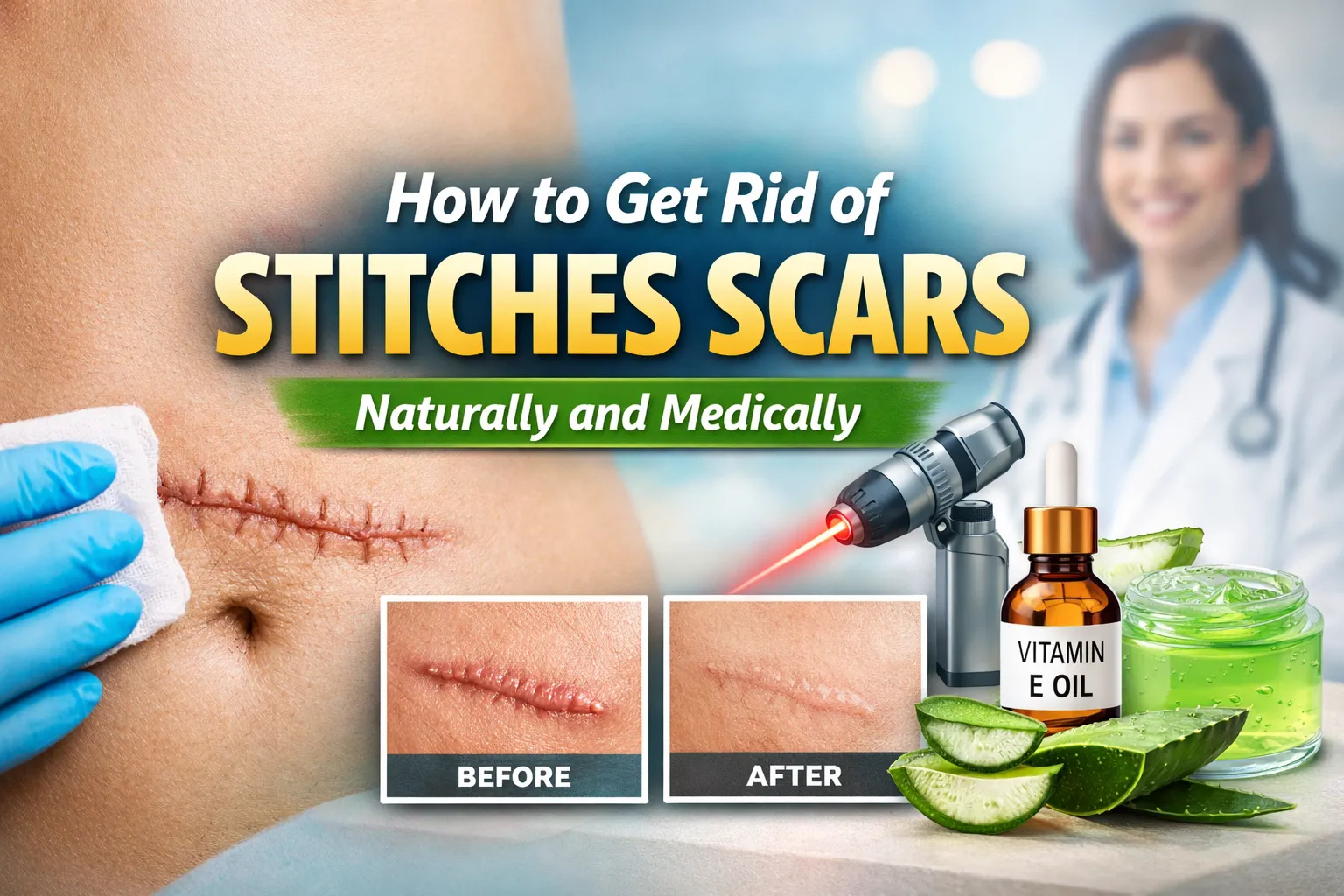
Stitch marks are one of the most common concerns people face after surgery, injuries, or medical procedures. While stitches are essential for proper wound healing, the marks they leave behind can become a long-term cosmetic issue. These scars often act as constant reminders of past medical experiences and may affect self-confidence, especially when they appear on visible areas such as the face, arms, abdomen, or legs. In this article, we will discuss How to Get Rid of Stitch Marks – Complete Guide for Smooth skin.
Many patients visiting Eternity Hospital share similar concerns about stitch marks affecting their appearance and confidence. The good news is that with the right care, modern dermatological treatments, and expert guidance from experienced doctors, stitch marks can be significantly reduced and, in many cases, made barely noticeable.
Understanding Stitch Marks
Before choosing any treatment, it is important to understand what stitch marks are and why they appear differently on different individuals. Stitch marks are a natural outcome of the body’s healing process, but their final appearance depends on several internal and external factors.
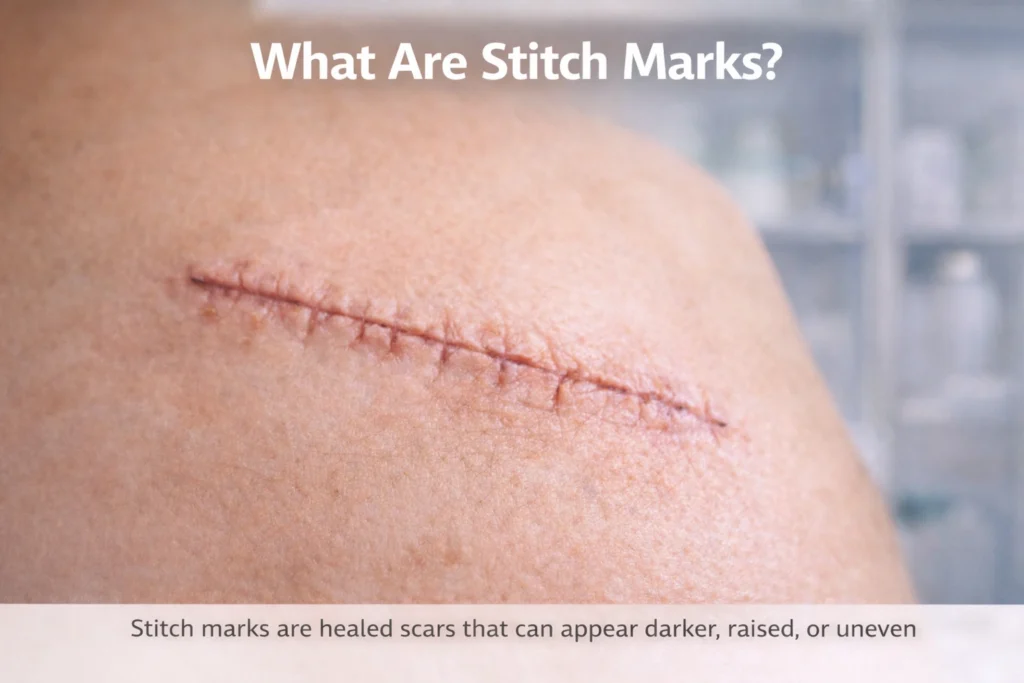
What Are Stitch Marks?
Stitch marks are scars that develop after sutures are used to close a wound caused by surgery, trauma, or injury. Once the stitches are removed, the body repairs the damaged skin by producing collagen fibers. However, this repair process does not recreate the skin exactly as it was before.
As a result, the healed area may appear darker, raised, sunken, or uneven in texture. Specialists at Eternity Hospital often explain that stitch marks are not a sign of poor surgery but rather a natural response of the skin to injury and healing.
Common Causes of Stitch Marks
Discover effective methods in our guide on How to Get Rid of Stitch Marks – Complete Guide for Smooth skin.
Stitch marks can develop due to multiple reasons, but some causes are more common than others.
Surgical Procedures
Medical and cosmetic surgeries such as C-sections, appendectomies, orthopedic surgeries, and cosmetic enhancements require incisions that are closed using stitches. Depending on the depth of the incision and the body’s healing response, visible stitch marks may remain. At Eternity Hospital, surgeons focus on advanced suturing techniques to minimize scarring, but individual healing still plays a role.
Accidental Injuries
Deep cuts, burns, or traumatic injuries often require sutures to prevent infection and promote healing. These wounds are usually irregular, which increases the likelihood of noticeable stitch marks after healing. Proper post-injury care is crucial to reduce scar severity.
Types of Stitch Marks
Understanding the type of stitch mark helps doctors at Eternity Hospital decide the most effective treatment approach.
Fresh Stitch Marks
Fresh stitch marks are newly healed scars that appear red, pink, or slightly swollen. At this stage, the scar tissue is still forming, which makes it more responsive to treatments such as silicone gels, topical medications, and early dermatological interventions.
Old or Healed Stitch Scars
Older scars have completed the healing process and may appear darker, lighter, or more rigid than surrounding skin. These scars often require advanced treatments such as laser therapy or microneedling, which are commonly offered at Eternity Hospital.
Raised vs Flat Scars
Raised scars, including hypertrophic scars and keloids, grow above the skin surface and may cause itching or discomfort. Flat scars remain level with the skin but may still be visible due to color or texture differences. Both types require different treatment strategies.
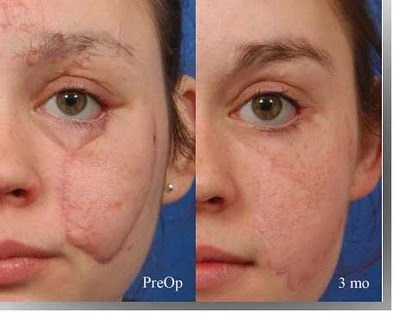
Why Stitch Marks Don’t Fade Easily
Many patients ask why some stitch marks fade quickly while others remain prominent for years.
Role of Skin Type
Different skin types heal differently. Oily, dry, sensitive, or darker skin tones may respond uniquely to healing. People with darker skin tones are more prone to pigmentation and raised scars, which is why dermatologists at Eternity Hospital customize treatment plans based on skin type.
Poor Wound Care
Improper wound care during the healing phase can worsen stitch marks. Ignoring cleaning, moisturizing, or sun protection is like building a house without a strong foundation—it weakens the final outcome.
Genetic Factors
Genetics play a significant role in scar formation. Some individuals naturally produce excess collagen, leading to thicker or raised scars regardless of care.
Can Stitch Marks Be Completely Removed?
Complete removal of stitch marks is uncommon, but modern dermatological treatments available at Eternity Hospital can reduce scars by up to 80–95%. The goal of treatment is to make the scar blend naturally with surrounding skin rather than eliminate it entirely.
Home Remedies to Reduce Stitch Marks
Home remedies can support healing, especially for mild or fresh stitch marks, when used consistently.
Aloe Vera
Aloe vera has soothing and anti-inflammatory properties that help calm irritated skin and improve texture over time. Regular application may help soften the appearance of stitch marks.
Coconut Oil Massage
Massaging scars with coconut oil improves blood circulation and softens scar tissue. This practice also keeps the skin well-hydrated, which supports better healing.
Vitamin E Oil
Vitamin E nourishes the skin and supports cell repair. Over time, it may help reduce discoloration and dryness associated with stitch marks.
Onion Extract Gels
Onion extract-based gels are clinically proven to reduce scar thickness and redness when used consistently over several weeks.
Doctors at Eternity Hospital often remind patients that home remedies require patience and consistency to show results.
Over-the-Counter Treatments
Silicone Gel and Sheets
Silicone-based products are among the most dermatologist-recommended treatments for scars. They help flatten raised scars, reduce redness, and improve overall appearance.
Scar Reduction Creams
Scar creams containing peptides, retinol, and hyaluronic acid support skin regeneration and elasticity when applied regularly.
Lifestyle Changes That Help Heal Stitch Marks
Lifestyle habits play a crucial role in scar healing.
Proper Hydration
Drinking enough water keeps skin elastic and supports faster healing by improving circulation and nutrient delivery.
Nutrition for Skin Repair
A diet rich in protein, vitamin C, zinc, and omega-3 fatty acids supports collagen production and skin repair. Nutrition counselling is often advised at Eternity Hospital for faster recovery.
Sun Protection
Sun exposure can darken scars permanently. Dermatologists strongly recommend sunscreen on exposed scars to prevent pigmentation.
Medical Treatments for Stitch Mark Removal
When home care is not enough, professional treatments provide faster and more visible results.
Laser Scar Removal
Laser therapy breaks down scar tissue and stimulates collagen production, resulting in smoother and more even skin. Eternity Hospital uses advanced laser technology for safe and effective results.
Microneedling
Microneedling triggers natural skin healing by creating controlled micro-injuries, improving scar texture over multiple sessions.
Chemical Peels
Chemical peels remove damaged outer skin layers, improving tone and reducing discoloration over time.
Steroid Injections
Steroid injections are highly effective for raised or painful scars, helping reduce thickness and discomfort.
Advanced Cosmetic Procedures
PRP Therapy
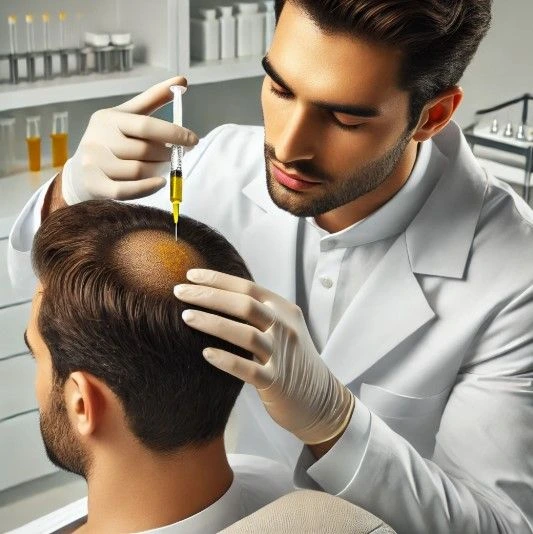
Platelet-Rich Plasma therapy uses the patient’s own blood platelets to stimulate skin regeneration and improve scar appearance naturally.
Surgical Scar Revision
For severe scars, surgical scar revision reshapes the scar to make it less noticeable. This procedure is performed by experienced specialists at Eternity Hospital.
Why Professional Treatment Is More Effective
Professional care ensures accurate diagnosis and targeted treatment.
Personalised Skin Assessment
Every scar is unique. Dermatologists at Eternity Hospital create customized treatment plans based on scar type, depth, and skin tone.
Advanced Technology
Medical-grade equipment works deeper than home solutions, providing long-lasting and visible improvements.
Why Choose Eternity Hospital for Stitch Mark Removal
Eternity Hospital is a trusted name in advanced dermatology and scar management.
Expert Doctors and Dermatologists
Highly experienced specialists ensure safe procedures and noticeable results.
State-of-the-Art Equipment
Advanced laser and skin rejuvenation technology deliver effective outcomes.
Patient-Centric Care
From consultation to aftercare, every treatment plan is personalized to meet patient needs.
Learn more at 👉 https://www.hospitaleternity.com/
Cost of Stitch Mark Removal Treatments in India
The cost of treatment depends on the size, depth, and type of scar, as well as the number of sessions required. Eternity Hospital offers transparent pricing and customized packages to make advanced care accessible.
Aftercare Tips to Prevent Stitch Marks
Proper Wound Care
Keeping wounds clean and following medical advice reduces the risk of severe scarring.
Regular Moisturizing
Moisturized skin heals faster and forms smoother scars, which is why doctors at Eternity Hospital emphasize post-treatment care.
Myths About Stitch Mark Removal
Many misconceptions exist regarding scar treatment.
Home remedies do not work overnight, and modern non-invasive treatments can significantly improve scars without surgery.
When Should You See a Doctor?
If a scar becomes painful, itchy, rapidly enlarges, changes color, or shows no improvement after months, medical evaluation is necessary.
Conclusion
Stitch marks may seem permanent, but they are manageable with the right approach. From home remedies to advanced medical treatments, multiple effective options are available today. Early care, consistency, and professional guidance make all the difference. For safe, reliable, and long-lasting results, Eternity Hospital provides expert-backed solutions that help you regain smooth, confident skin.